 français
  Deutsche
  русский
  Español
  Italian
  português
  Nederlands
  Ελληνικά
  简体中文
简体中文  Polskie
  Czech
Czech News
Home
> News

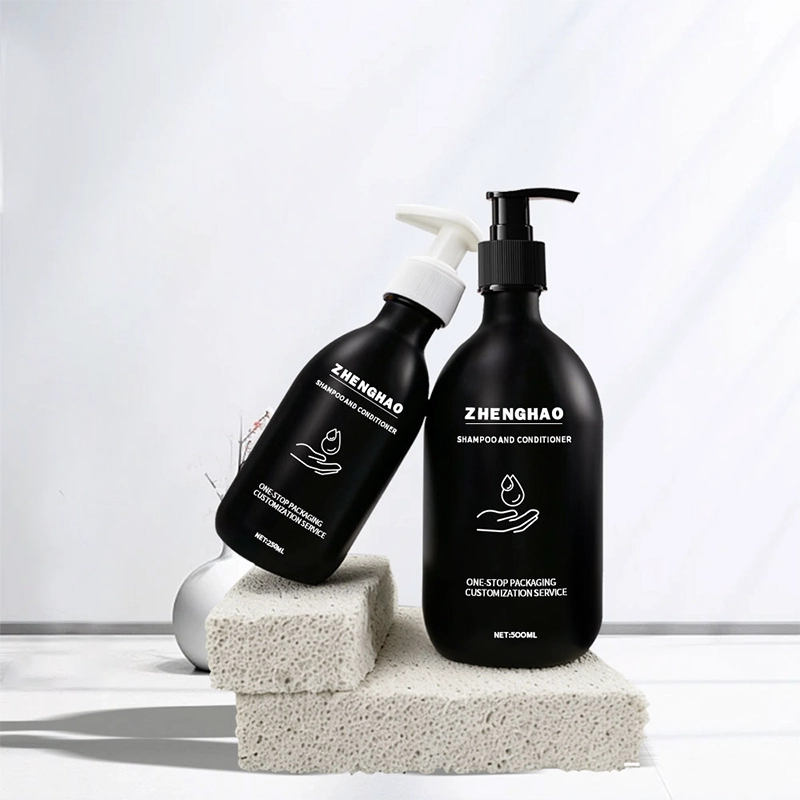
Tem No: zh-mb004 Capacity: 250ml 350ml 400ml 500ml 1000ml Material: PET Shape: round Used for: shampoo packaging Place of origin: Shenzhen, China MOQ: 5,000 pieces Unit price range: $0.3-0.6 Sample: available, free, client pay for sample shipping cost

Tem No: ZH-C70244 Capacity: 1L Material: 500ml 2L 4L Used for: detergent liquid bottle Place of origin: Shenzhen, China MOQ: 5,000 pieces Unit price range: $0.32-$0.48 Sample: available, free, client pay for sample shipping cost

Tem No: zh-p9309 Capacity: 2L Material: HDPE Shape: Round Used for: detergant liquid Place of origin: Shenzhen, China MOQ: 5,000 pieces Unit price range: $0.32-$0.48 Sample: available, free, client pay for sample shipping cost

Tem No: zh-c70231 Capacity: 1L Material: HDPE Shape: Round Used for: detergant liquid Place of origin: Shenzhen, China MOQ: 5,000 pieces Unit price range: $0.32-$0.48 Sample: available, free, client pay for sample shipping cost

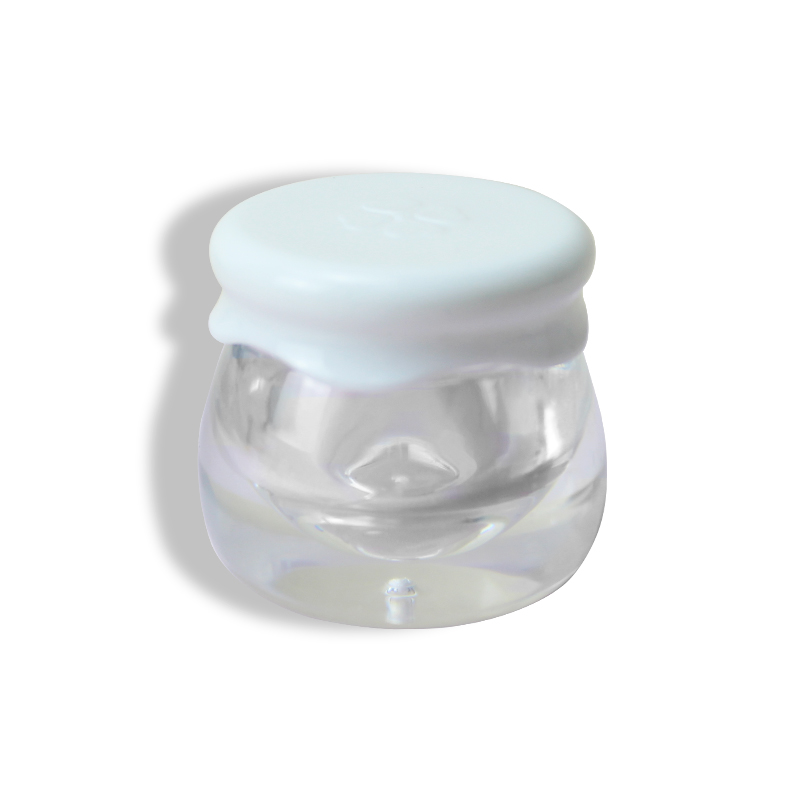
PP (Polypropylene) plastic containers are increasingly popular in the cosmetic and skincare industries, particularly for small-capacity products like creams, eye creams, and eyeliner gels.

plastic drink bottles factory, China cosmetic plastic bottles, disposable plastic bottle suppliers, plastic pet bottles manufactures, plastic bottles for lotion manufactures

customized color plastic bottle with pump 300ml 400ml 500ml round pet bottle for skincare plastic lotion bottle


HDPE Custom Eco PCR Recycled Plastic Bottle Body Tanning Oil 60ml Travel Size Squeeze Bottle Cosmetics


New female urine bottle. Equipped with a patented leak-proof cover to block urine leakage and avoid embarrassment. Currently, men's urine bottles are ...

These large empty pump bottles are ideal when you don’t want ugly or messy detergent bottles laying around. They are great for business use / work si...

Zhenghao Plastic & Mold Co.,Ltd had developed a new materia named HDPE sand blasting matieral, that is double layer bottle construction. The final bo...
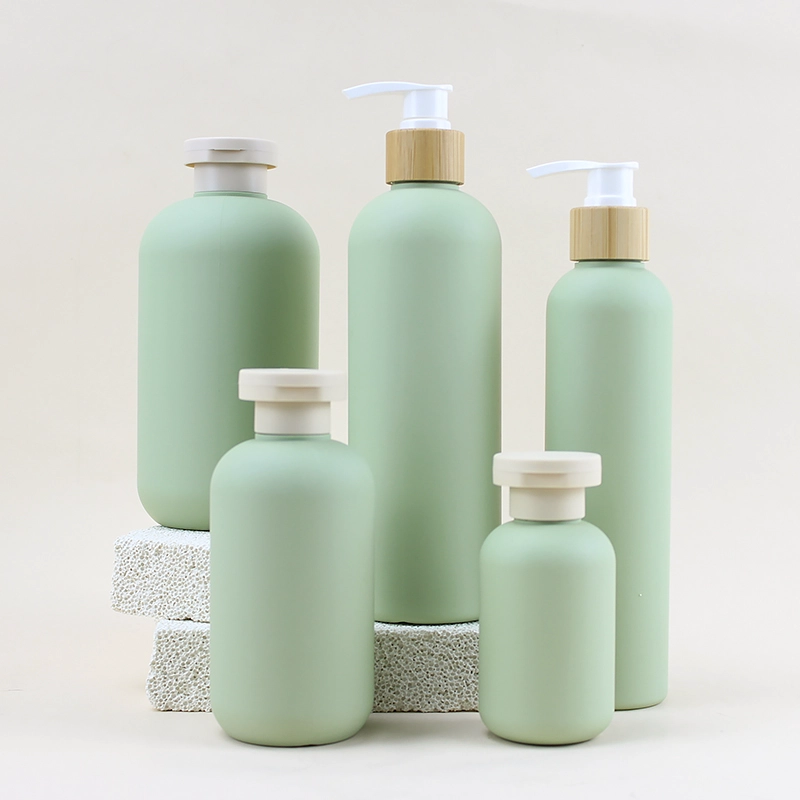
In the face of increasingly strict environmental protection policies, how can one choose packaging for shampoo products that balances durability and degradability? This guide thoroughly analyzes the actual shelf life and leak-proof performance of degradable materials such as PLA and PHA, helping brand owners make precise and compliant material purchases.
Read More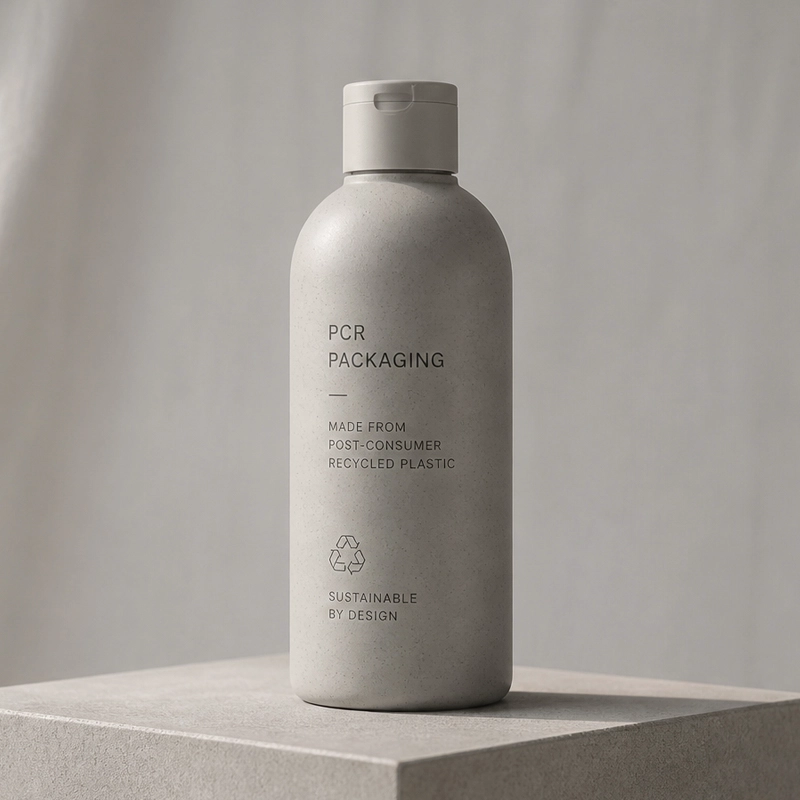
Understand and explore the development and trends of PCR materials in plastic packaging
Read More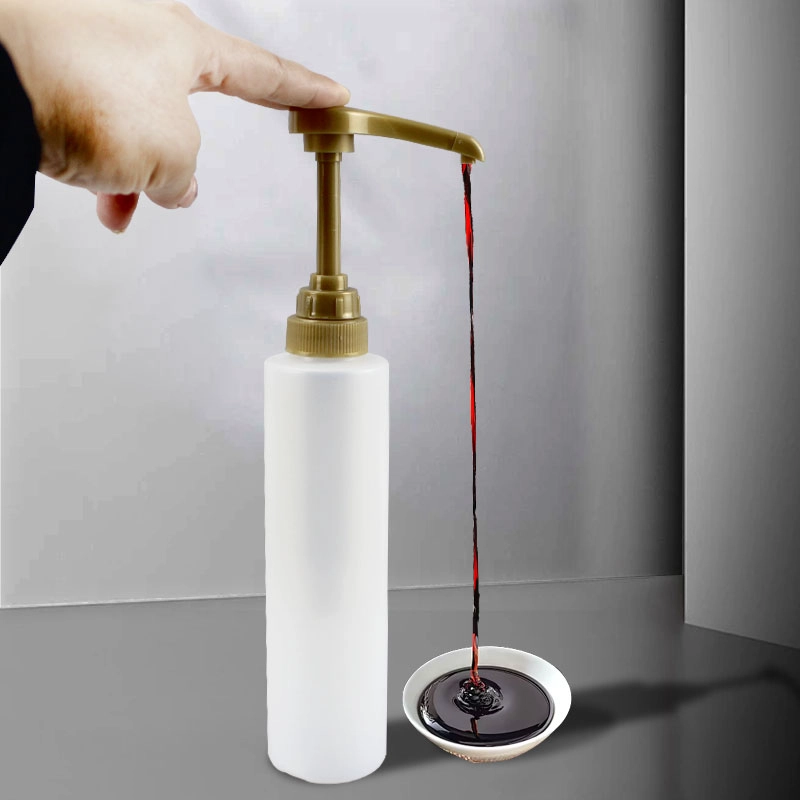
Tired of syrups that spit and drip? Our factory engineers custom pump bottles with tailored piston seals to prevent airlocks, ensuring smooth flow for high-viscosity purees. Read the engineering guide.
Read More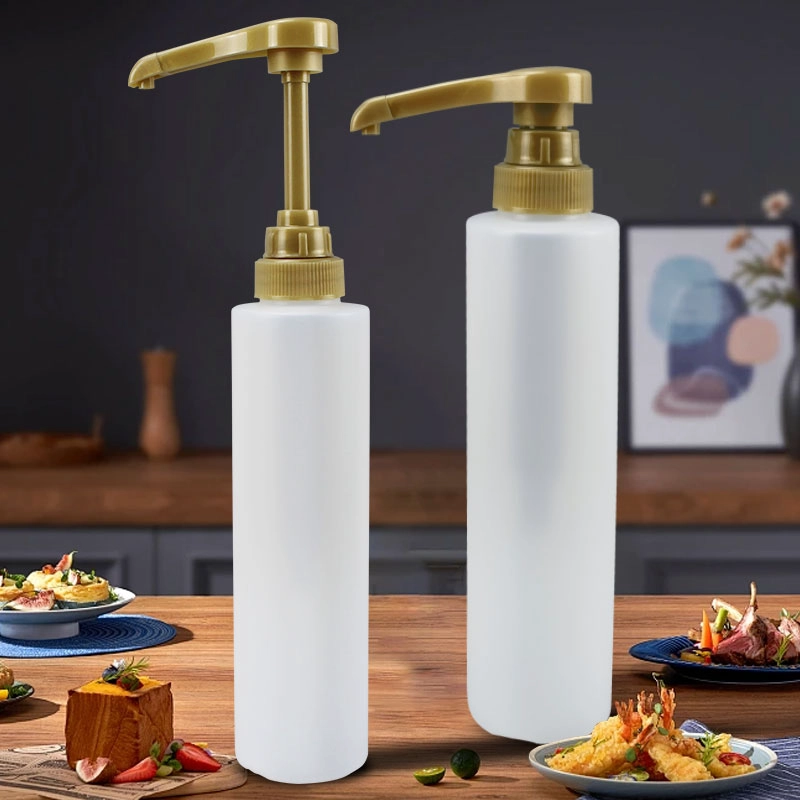
How can thick syrup, honey, and chocolate sauce be smoothly dispensed? The pump syrup bottle is specially designed to solve the problem of dispensing viscous fluids - it supports PET/HDPE/PP materials and allows for customization of appearance. From mold design to full-scale production, it provides a one-stop development solution, ensuring that the packaging matches the viscosity of the product and the usage habits.
Read More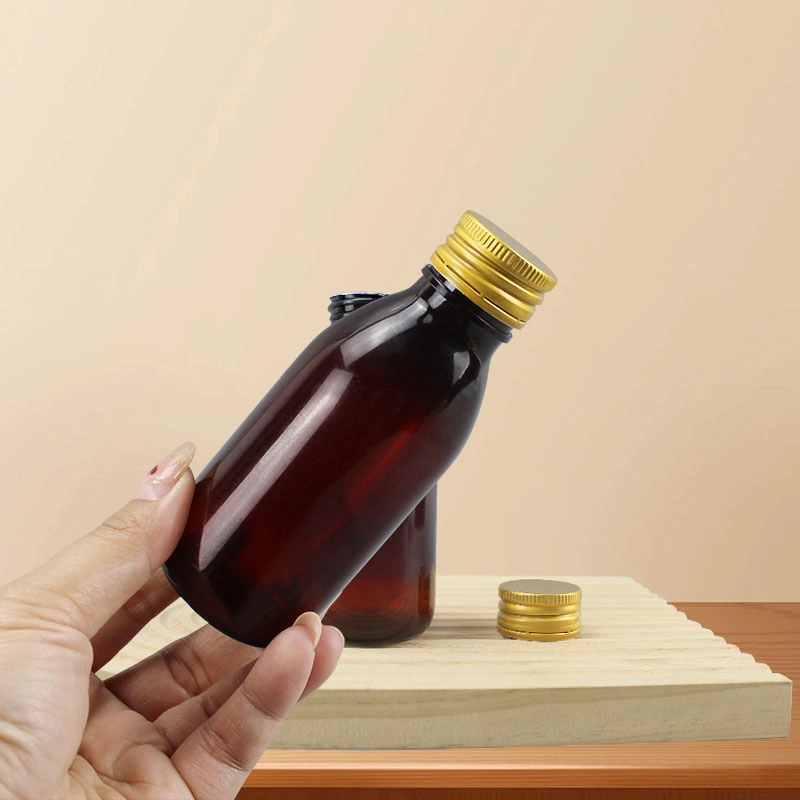
This guide compares the two materials plastic and glass side‑by‑side—covering cost, durability, food safety, customization, and sustainability—so you can make the right choice for your brand and your bottom line.
Read More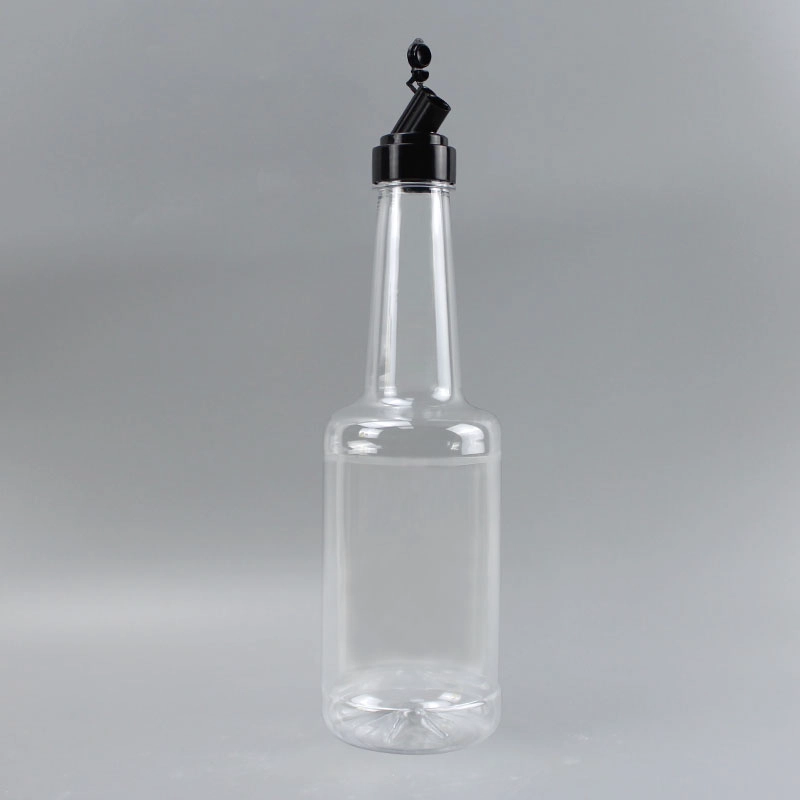
Explore why brands are switching from glass to custom PET soy sauce bottles for better packaging: lighter, safer, and break-resistant.
Read More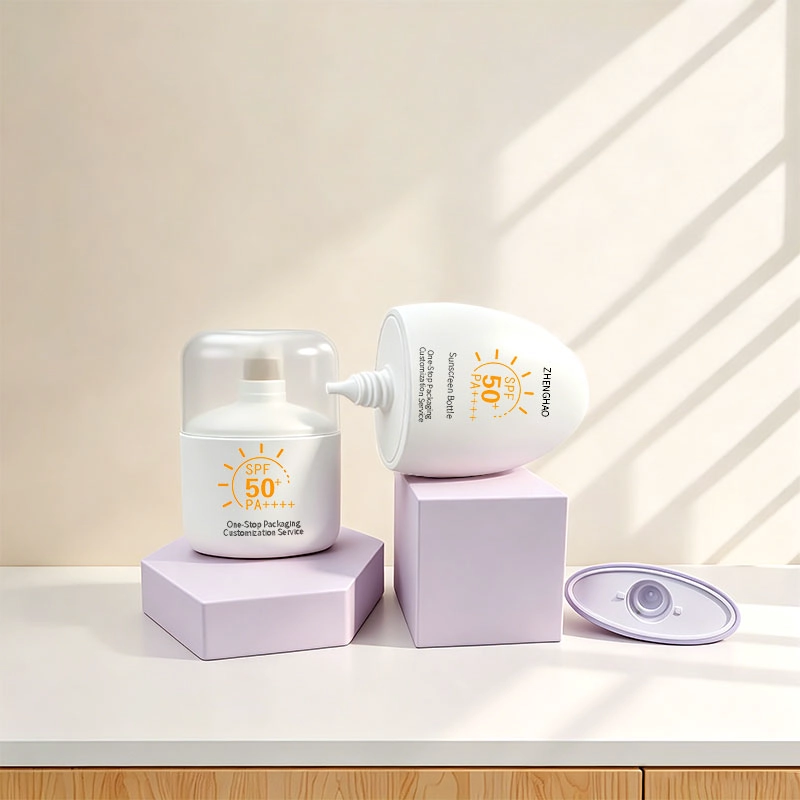
Learn how professional sunscreen bottle design impacts shelf life, formula stability, and retail quality. Explore custom material, sealing, and dispensing solutions from trusted sunscreen bottle
Read More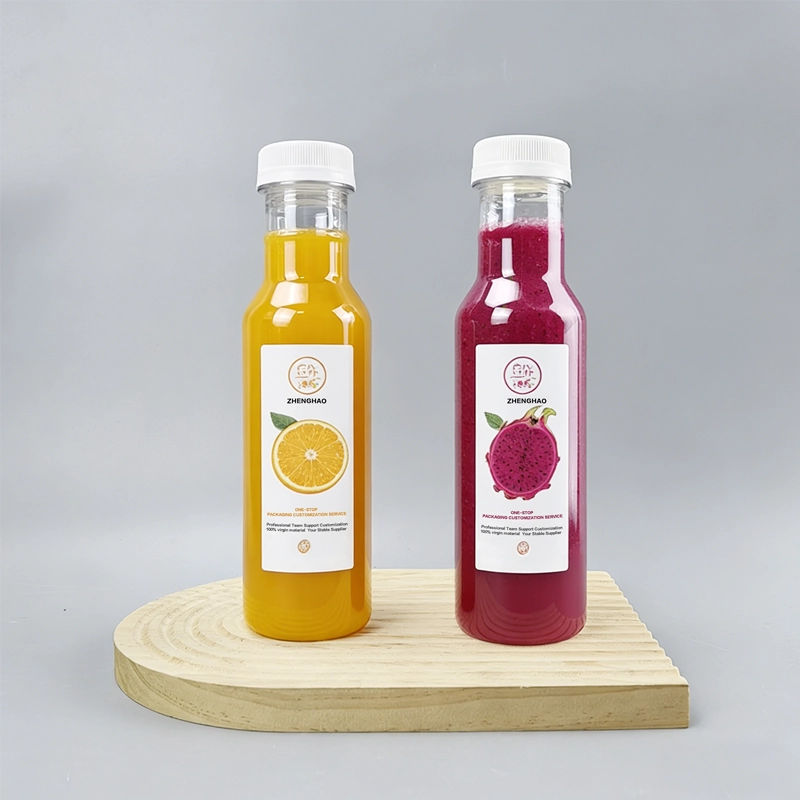
Picking proper food-grade empty juice bottles matters greatly for beverage brands. Drawing on our plastic manufacturing experience, this guide covers material safety, storage compatibility and customization tips to help you steer clear of costly mass-production packaging issues.
Read More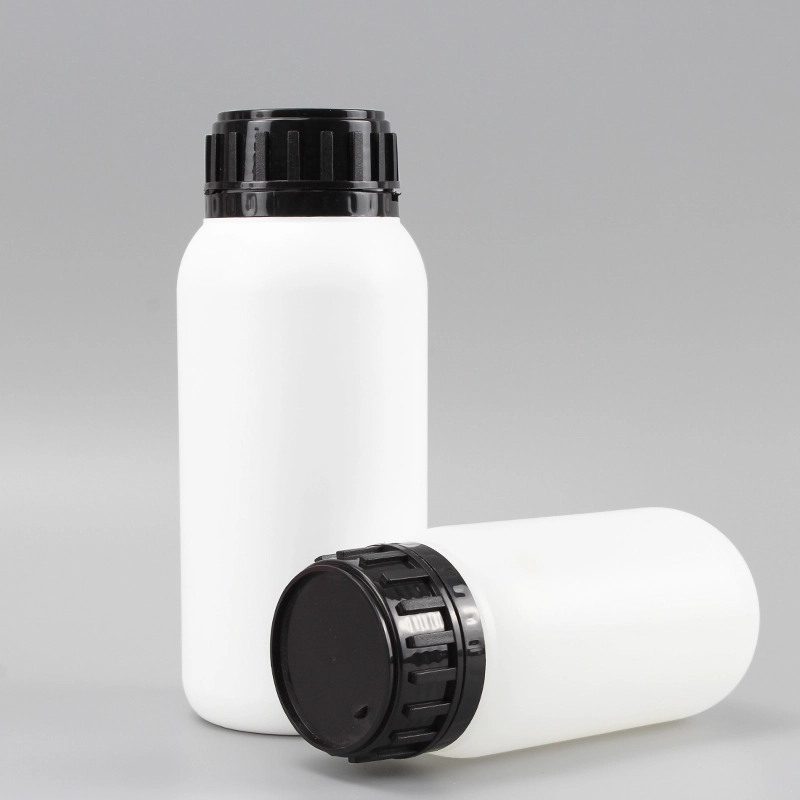
As a professional manufacturer of custom plastic bottles, today we are discussing some issues related to customizing pesticide bottles and chemical bottles. We hope this can help brand owners save time and costs.
Read More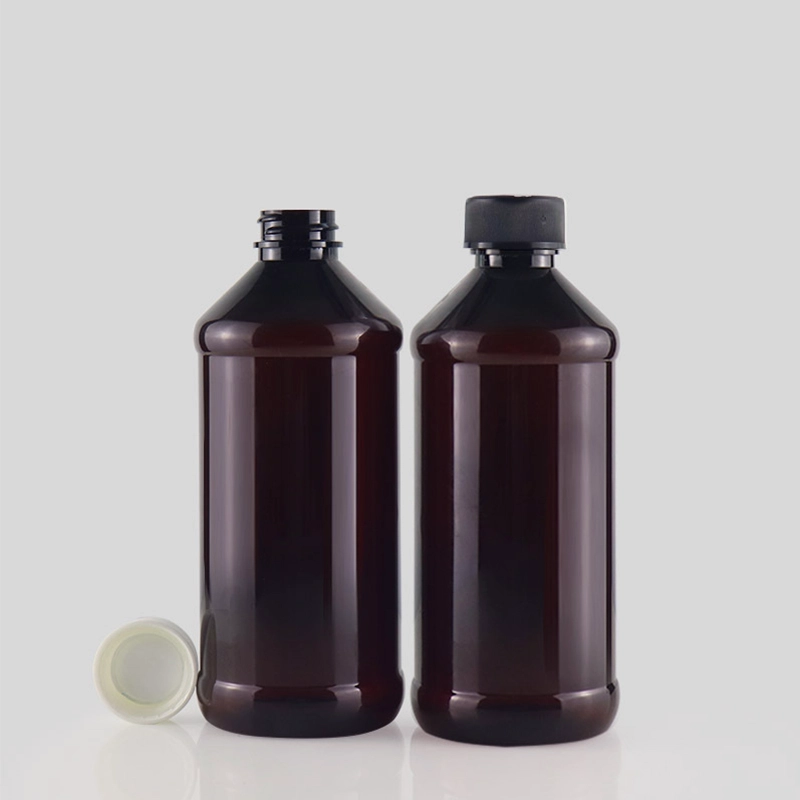
In the pharmaceutical and healthcare packaging industry, selecting the right cough syrup bottle is about much more than appearance. The packaging material directly affects product protection, user safety, transportation efficiency, regulatory compliance, and brand perception.
Read More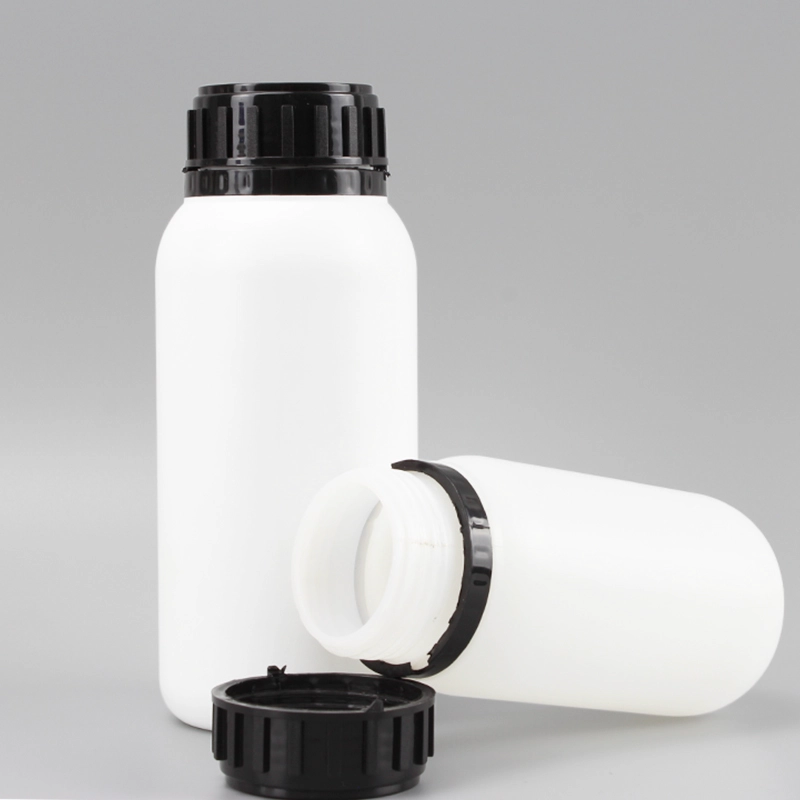
Learn how to select compliant chemical plastic bottles, evaluate material compatibility, and meet safety requirements for storage, transport, and dispensing.
Read More