
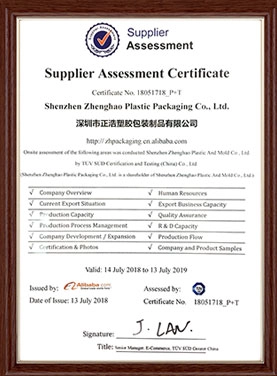
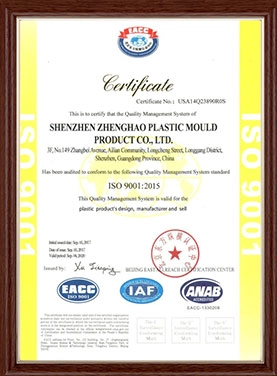
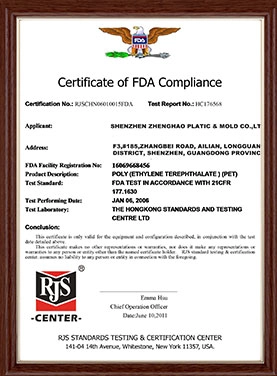
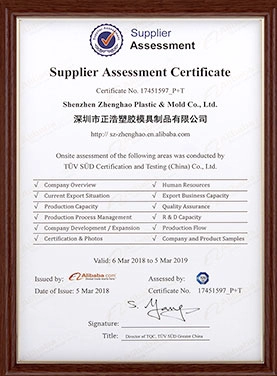
Shenzhen Zhenghao Plastic & Mold Co.,Ltd

Tem No: zh-mb004 Capacity: 250ml 350ml 400ml 500ml 1000ml Material: PET Shape: round Used for: shampoo packaging Place of origin: Shenzhen, China MOQ: 5,000 pieces Unit price range: $0.3-0.6 Sample: available, free, client pay for sample shipping cost

Tem No: ZH-C70244 Capacity: 1L Material: 500ml 2L 4L Used for: detergent liquid bottle Place of origin: Shenzhen, China MOQ: 5,000 pieces Unit price range: $0.32-$0.48 Sample: available, free, client pay for sample shipping cost

Tem No: zh-p9309 Capacity: 2L Material: HDPE Shape: Round Used for: detergant liquid Place of origin: Shenzhen, China MOQ: 5,000 pieces Unit price range: $0.32-$0.48 Sample: available, free, client pay for sample shipping cost

Tem No: zh-c70231 Capacity: 1L Material: HDPE Shape: Round Used for: detergant liquid Place of origin: Shenzhen, China MOQ: 5,000 pieces Unit price range: $0.32-$0.48 Sample: available, free, client pay for sample shipping cost

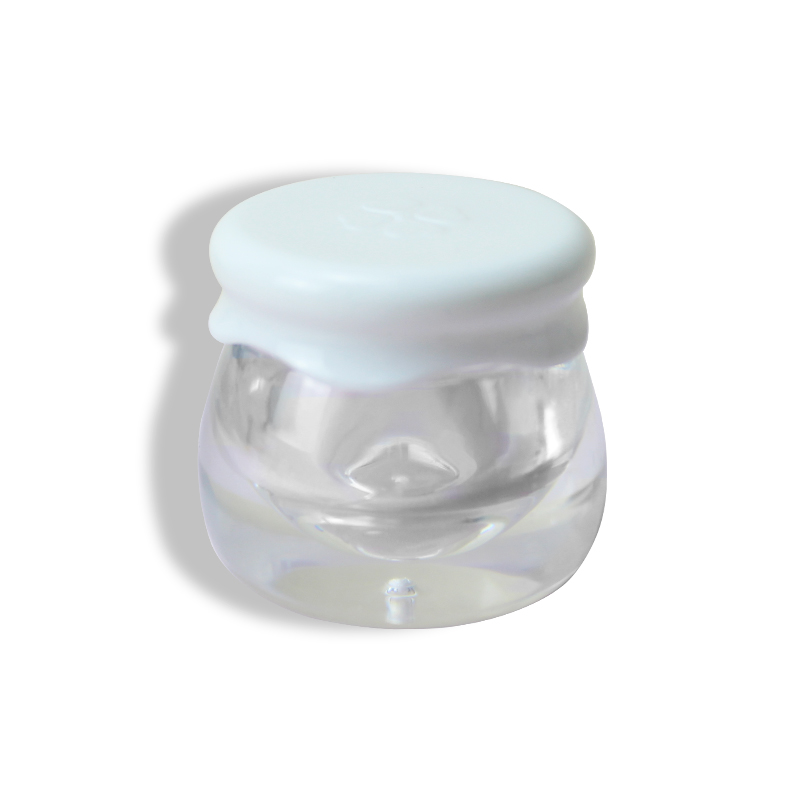
PP (Polypropylene) plastic containers are increasingly popular in the cosmetic and skincare industries, particularly for small-capacity products like creams, eye creams, and eyeliner gels.

plastic drink bottles factory, China cosmetic plastic bottles, disposable plastic bottle suppliers, plastic pet bottles manufactures, plastic bottles for lotion manufactures

customized color plastic bottle with pump 300ml 400ml 500ml round pet bottle for skincare plastic lotion bottle


HDPE Custom Eco PCR Recycled Plastic Bottle Body Tanning Oil 60ml Travel Size Squeeze Bottle Cosmetics


New female urine bottle. Equipped with a patented leak-proof cover to block urine leakage and avoid embarrassment. Currently, men's urine bottles are ...

These large empty pump bottles are ideal when you don’t want ugly or messy detergent bottles laying around. They are great for business use / work si...

Zhenghao Plastic & Mold Co.,Ltd had developed a new materia named HDPE sand blasting matieral, that is double layer bottle construction. The final bo...
As liquid medicine formulations continue to evolve, manufacturers and brand owners are increasingly seeking packaging solutions that balance functionality, cost-effectiveness, and customization. Among the available options, plastic packaging has become one of the most widely adopted choices due to its versatility and manufacturing flexibility.
This article explores the most common materials used for cough syrup bottles, including PET, HDPE, PETG, PP, and sustainable alternatives. We will also discuss key factors pharmaceutical brands should consider when selecting a packaging solution and how custom packaging can create additional value in a competitive market.
A cough syrup bottle serves several important functions beyond simply holding liquid medication.
It must:
Protect the formulation from contamination.
Maintain product stability throughout shelf life.
Resist damage during transportation.
Support accurate dispensing.
Meet pharmaceutical packaging requirements.
Provide a professional appearance that inspires consumer confidence.
Different liquid formulations have different sensitivities to light, oxygen, moisture, and temperature fluctuations. Therefore, selecting the appropriate material is one of the earliest and most important decisions in packaging development.
PET (Polyethylene Terephthalate) is one of the most commonly used materials for a plastic cough syrup bottle.
Its popularity comes from several advantages:
PET offers glass-like clarity, allowing consumers and healthcare professionals to easily monitor the remaining product volume.This is particularly useful for pediatric medicines and over-the-counter healthcare products where dosage tracking is important.
Compared with glass containers, PET bottles are significantly lighter while maintaining excellent impact resistance. This reduces transportation costs and minimizes breakage risks throughout the supply chain.
PET provides effective protection against moisture and environmental contaminants, helping maintain the integrity of liquid medicines.
For brands seeking a premium appearance, PET offers a glossy finish that enhances visual appeal while remaining cost-effective.
As a result, PET is commonly used for:
Children’s cough syrup bottles/Vitamin syrups/Herbal liquid supplements/Nutritional health products.
Many brands looking for a custom cough syrup bottle choose PET because it supports a wide range of shapes, colors, and decoration techniques.
HDPE (High-Density Polyethylene) is another widely used material in pharmaceutical packaging.
Unlike PET, HDPE is naturally opaque or semi-opaque, making it particularly suitable for formulations that require additional protection from light exposure.
HDPE performs exceptionally well when packaging formulations containing active pharmaceutical ingredients that may interact with other materials.
HDPE bottles can withstand rough handling during shipping and storage, making them a popular choice for large-volume distribution.
Many pharmaceutical companies choose amber or white HDPE bottles when developing products that are sensitive to UV exposure.
Prescription cough medicines/Long-term storage liquid medications/Industrial healthcare formulations
For brands searching for a dependable cough syrup bottle supplier, HDPE remains one of the most requested materials due to its balance of performance and affordability.
PETG has become increasingly popular among healthcare and nutraceutical brands that want a more premium packaging solution.
Compared with standard PET, PETG offers:
Higher impact resistance/Better design flexibility/Superior transparency/Enhanced premium appearance
PETG is often selected for high-end dietary supplements, specialty wellness products, and premium liquid formulations.Although slightly more expensive, it provides excellent opportunities for differentiation through custom packaging design.
Polypropylene (PP) is rarely used as the primary bottle body for cough syrup packaging, but it plays a critical role in packaging systems.
PP is commonly used for:
Child-resistant caps/Measuring cups/Dosing accessories/Tamper-evident closures
Its excellent chemical resistance and dimensional stability make it ideal for components that require repeated opening and closing.
When designing a complete cough syrup packaging bottle solution, PP often works alongside PET or HDPE to create a reliable package.
Sustainability is becoming increasingly important across healthcare industries.Many pharmaceutical brands are exploring environmentally responsible materials without compromising safety or compliance.
PCR (Post-Consumer Recycled) resin incorporates recycled content into bottle production while maintaining performance standards.
PLA is a bio-based plastic derived from renewable resources and is gaining attention for certain healthcare and wellness applications.
Reducing material usage through optimized bottle structures can significantly lower transportation emissions and packaging waste.
Today, many cough syrup bottle manufacturers are investing in sustainable material technologies to meet evolving market expectations.
Selecting the right material is only one part of the packaging development process.Brands should also evaluate several additional factors.
Bottle Capacity:Common sizes include 30ml/60ml/100ml/120ml/150ml/200ml.The ideal capacity depends on dosage requirements and target market preferences.
Child-resistant closures are often essential for pharmaceutical products. Tamper-evident features provide additional consumer protection and regulatory confidence.
Amber bottles help reduce UV exposure, while white bottles offer a clean pharmaceutical appearance.Custom colors can also strengthen brand recognition while maintaining compliance requirements.
Screen printing
UV printing
Labels
Embossed logos
Matte and frosted finishes
These techniques help transform a standard bottle into a distinctive branded packaging solution.
At Zhenghao, we have worked with healthcare brands seeking packaging solutions that combine safety, functionality, and visual appeal.
For example, a customer launching a children’s herbal syrup required a lightweight bottle with improved drop resistance and a child-resistant cap. After evaluating multiple options, PET was selected for the bottle body due to its transparency and impact resistance, while PP was used for the closure system.
The result was a customized packaging solution that improved user convenience while maintaining production efficiency and cost control.
This type of project highlights why collaboration between the brand and an experienced cough syrup bottle factory is often essential during product development.
A reliable packaging partner should offer more than production capacity.
An experienced manufacturer can assist with:
Material selection
Structural design
Mold development
Regulatory packaging requirements
Sample validation
Large-scale production
Founded in 2007, Zhenghao is a professional manufacturer and supplier specializing in custom plastic packaging solutions. With extensive experience serving pharmaceutical, personal care, food, and healthcare industries, Zhenghao provides one-stop services from concept development and mold creation to mass production and decoration.
Available materials include HDPE, PET, PETG, PP, PLA, PCR, and other specialized resins, allowing brands to create packaging tailored to their specific product requirements.
The ideal cough syrup bottle depends on the unique requirements of the formulation, target market, and brand positioning.
PET remains the preferred choice for transparent, lightweight packaging. HDPE offers excellent chemical resistance and light protection. PETG provides premium aesthetics and durability, while PP plays a vital role in closures and dispensing systems.
By understanding the strengths of each material, pharmaceutical and healthcare brands can make informed packaging decisions that enhance product protection, improve user experience, and strengthen brand value.
Whether developing a standard liquid medicine container or a fully customized packaging solution, partnering with an experienced custom cough syrup bottle manufacturer can help ensure long-term success in today’s evolving healthcare packaging market.
 français
  Deutsche
  русский
  Español
  Italian
  português
  Nederlands
  Ελληνικά
  简体中文
简体中文  Polskie
  Czech
Czech