
Shenzhen Zhenghao Plastic & Mold Co.,Ltd
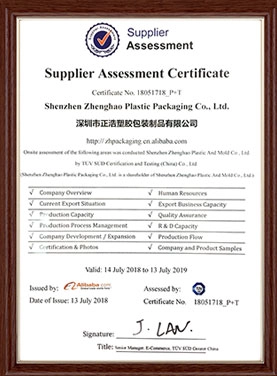
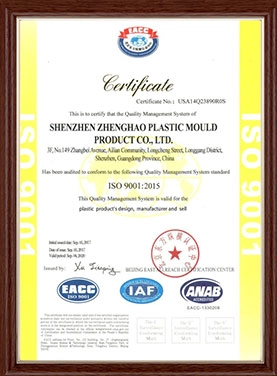
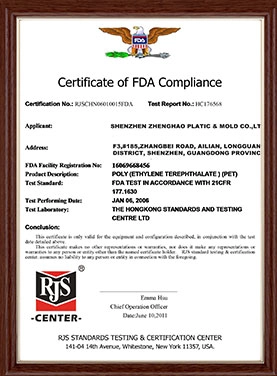
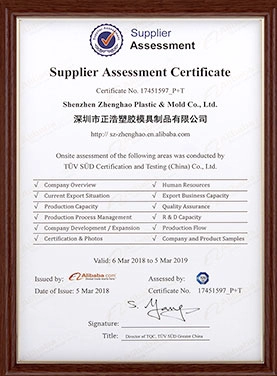

Tem No: zh-mb004 Capacity: 250ml 350ml 400ml 500ml 1000ml Material: PET Shape: round Used for: shampoo packaging Place of origin: Shenzhen, China MOQ: 5,000 pieces Unit price range: $0.3-0.6 Sample: available, free, client pay for sample shipping cost

Tem No: ZH-C70244 Capacity: 1L Material: 500ml 2L 4L Used for: detergent liquid bottle Place of origin: Shenzhen, China MOQ: 5,000 pieces Unit price range: $0.32-$0.48 Sample: available, free, client pay for sample shipping cost

Tem No: zh-p9309 Capacity: 2L Material: HDPE Shape: Round Used for: detergant liquid Place of origin: Shenzhen, China MOQ: 5,000 pieces Unit price range: $0.32-$0.48 Sample: available, free, client pay for sample shipping cost

Tem No: zh-c70231 Capacity: 1L Material: HDPE Shape: Round Used for: detergant liquid Place of origin: Shenzhen, China MOQ: 5,000 pieces Unit price range: $0.32-$0.48 Sample: available, free, client pay for sample shipping cost

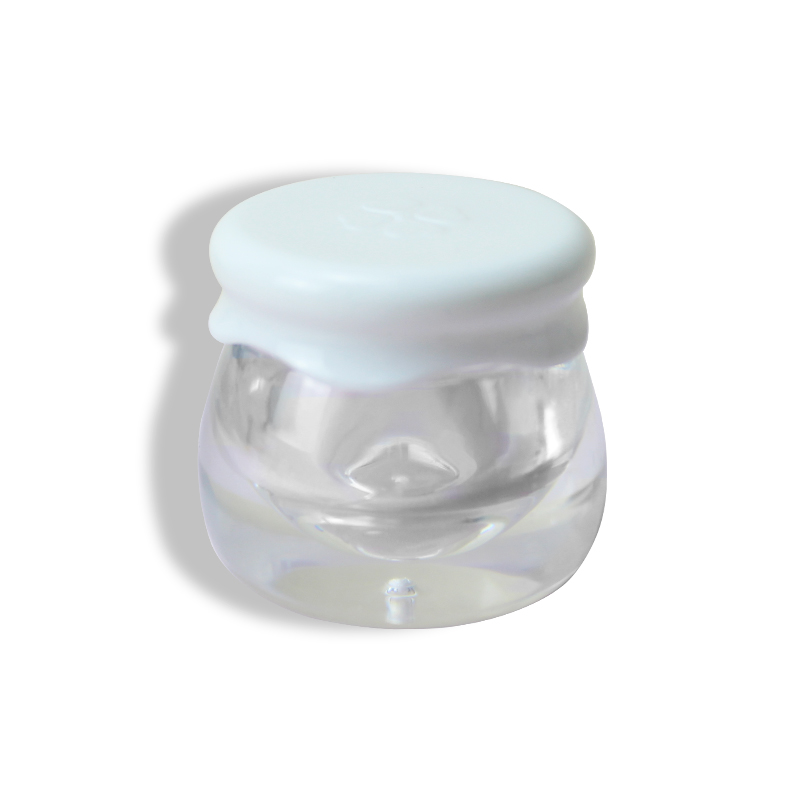
PP (Polypropylene) plastic containers are increasingly popular in the cosmetic and skincare industries, particularly for small-capacity products like creams, eye creams, and eyeliner gels.

plastic drink bottles factory, China cosmetic plastic bottles, disposable plastic bottle suppliers, plastic pet bottles manufactures, plastic bottles for lotion manufactures

customized color plastic bottle with pump 300ml 400ml 500ml round pet bottle for skincare plastic lotion bottle


HDPE Custom Eco PCR Recycled Plastic Bottle Body Tanning Oil 60ml Travel Size Squeeze Bottle Cosmetics


New female urine bottle. Equipped with a patented leak-proof cover to block urine leakage and avoid embarrassment. Currently, men's urine bottles are ...

These large empty pump bottles are ideal when you don’t want ugly or messy detergent bottles laying around. They are great for business use / work si...

Zhenghao Plastic & Mold Co.,Ltd had developed a new materia named HDPE sand blasting matieral, that is double layer bottle construction. The final bo...
Chemical Plastic Bottles: Safety & Compliance Guide
Choosing the wrong bottle for a chemical product can lead to much more than leakage. Material degradation, product contamination, regulatory issues, transportation failures, and customer safety risks often originate from packaging decisions made early in product development.
For manufacturers of cleaning chemicals, industrial solutions, laboratory reagents, agricultural products, and maintenance fluids, selecting the right chemical bottle is both a safety requirement and a business decision.
Yet many sourcing teams focus heavily on bottle shape, capacity, or cost before addressing the more critical question: Is the packaging compatible with the chemical it will contain?
This guide explains how packaging buyers, product developers, and procurement teams can evaluate chemical plastic bottles from a safety, compliance, and performance perspective while avoiding common sourcing mistakes.
Why Chemical Compatibility Should Always Come First?
One of the most expensive packaging mistakes is assuming that all plastic bottles offer similar chemical resistance.
In reality, different chemicals interact with plastics in different ways. Some substances cause stress cracking, discoloration, swelling, brittleness, or permeability issues over time.
For example:
A bottle that performs perfectly with a mild detergent may fail completely when filled with an industrial degreaser.
Before selecting a bottle design, manufacturers should evaluate:
The U.S. Occupational Safety and Health Administration (OSHA) Hazard Communication Standard emphasizes proper chemical labeling and hazard communication throughout the supply chain, making packaging compatibility a critical safety consideration.
Which Plastic Materials Are Commonly Used for Plastic Chemical Bottles?
Material selection directly affects safety, compliance, and product shelf life.
HDPE is one of the most widely used materials for industrial and household chemical packaging.
Advantages:
Common applications:
PET offers superior transparency and shelf appearance.
Advantages:
Limitations:
Common applications:
PP provides strong resistance to elevated temperatures and various chemical formulations.
Advantages:
Common applications:
For highly aggressive chemicals, fluorination treatment can improve barrier performance and chemical resistance.
Common applications:
The lowest-cost resin is rarely the lowest-cost packaging solution. Material failure often results in recalls, leakage claims, and transportation losses that far exceed initial savings.
Not all chemical products are used the same way.
The packaging format should reflect the end-user application.
A chemical spray bottle is commonly used for:
Key requirements include:
A common sourcing mistake is pairing aggressive cleaners with standard household trigger sprayers. The trigger often fails before the bottle itself.
Chemical squeeze bottles are designed for controlled dispensing.
Typical uses include:
Important considerations:
The bottle should dispense consistently without excessive hand pressure.
A chemical lab bottle requires different priorities than consumer packaging.
Laboratory users often need:
Research facilities frequently prioritize consistency over aesthetics because packaging variations can affect testing procedures.
Many suppliers advertise a chemical resistant spray bottle, but resistance levels vary significantly.
Resistance depends on multiple components:
The trigger assembly is often the weakest point.
For example:
A bottle made from HDPE may resist a solvent-based cleaner, while the trigger's internal gasket may deteriorate within weeks.
When evaluating spray packaging, request compatibility data for:
Always test complete packaging systems rather than individual components. Most packaging failures occur at the interface between bottle and closure.
Compliance requirements vary by market and application.
However, several areas consistently affect chemical packaging decisions.
Chemical packaging often requires:
Poor label adhesion can become a compliance issue if critical information becomes unreadable during use.
Some chemicals fall under dangerous goods regulations.
In these cases, packaging may require:
The United Nations Recommendations on the Transport of Dangerous Goods establish performance requirements for many hazardous-material packaging systems worldwide.
Increasingly, buyers evaluate:
Many multinational buyers now request sustainability data alongside technical specifications.
Compliance is not only about passing regulations. It also affects product approvals, distributor acceptance, and export market access.
For many industrial and commercial products, standard stock packaging may not address specific application requirements.
Custom packaging can improve:
However, customization should begin with performance requirements rather than appearance.
The most successful projects typically follow this sequence:
This process reduces risk while ensuring packaging performs throughout the product lifecycle.
Conduct compatibility testing using the final commercial formulation under expected storage and transportation conditions. Material data sheets alone are not sufficient.
No. HDPE offers excellent resistance to many chemicals, but certain solvents and specialty formulations may require fluorinated containers or alternative materials.
The trigger assembly. Springs, seals, and gaskets often fail before the bottle itself when exposed to aggressive chemicals.

 français
  Deutsche
  русский
  Español
  Italian
  português
  Nederlands
  Ελληνικά
  简体中文
简体中文  Polskie
  Czech
Czech