
Shenzhen Zhenghao Plastic & Mold Co.,Ltd
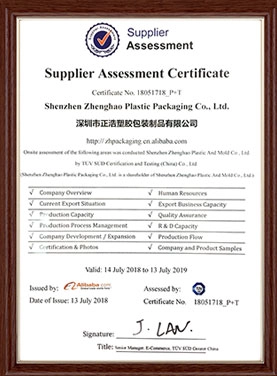
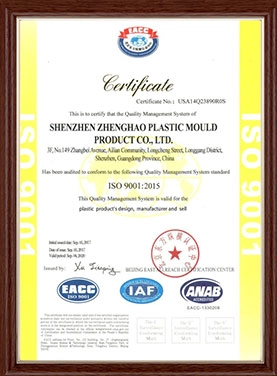
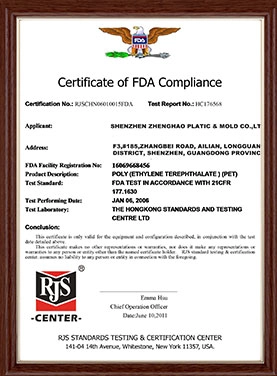
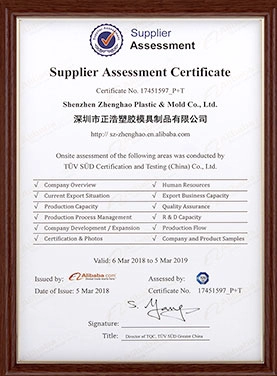

Tem No: zh-mb004 Capacity: 250ml 350ml 400ml 500ml 1000ml Material: PET Shape: round Used for: shampoo packaging Place of origin: Shenzhen, China MOQ: 5,000 pieces Unit price range: $0.3-0.6 Sample: available, free, client pay for sample shipping cost

Tem No: ZH-C70244 Capacity: 1L Material: 500ml 2L 4L Used for: detergent liquid bottle Place of origin: Shenzhen, China MOQ: 5,000 pieces Unit price range: $0.32-$0.48 Sample: available, free, client pay for sample shipping cost

Tem No: zh-p9309 Capacity: 2L Material: HDPE Shape: Round Used for: detergant liquid Place of origin: Shenzhen, China MOQ: 5,000 pieces Unit price range: $0.32-$0.48 Sample: available, free, client pay for sample shipping cost

Tem No: zh-c70231 Capacity: 1L Material: HDPE Shape: Round Used for: detergant liquid Place of origin: Shenzhen, China MOQ: 5,000 pieces Unit price range: $0.32-$0.48 Sample: available, free, client pay for sample shipping cost

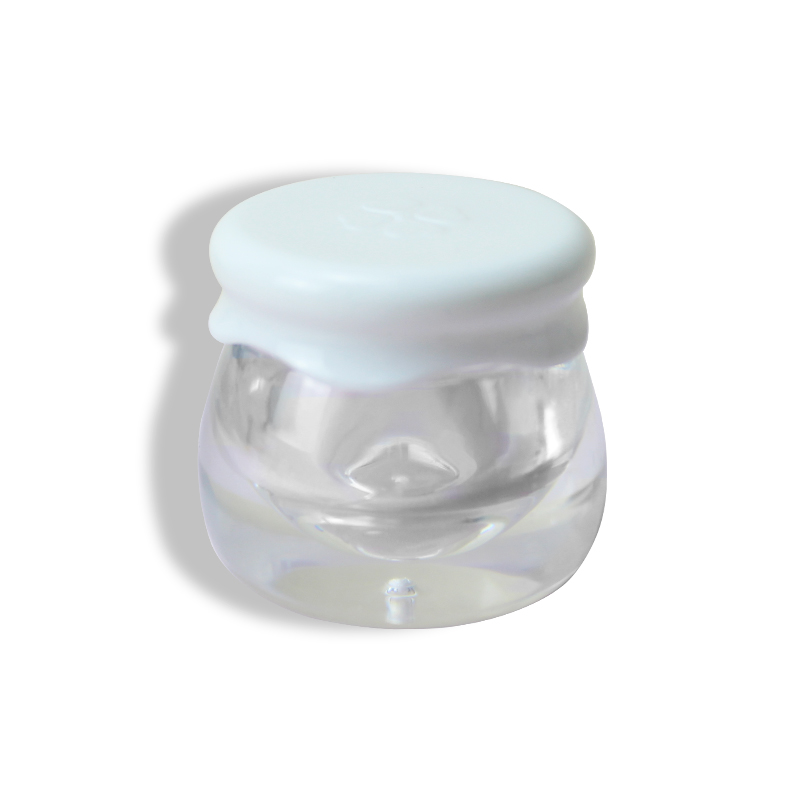
PP (Polypropylene) plastic containers are increasingly popular in the cosmetic and skincare industries, particularly for small-capacity products like creams, eye creams, and eyeliner gels.

plastic drink bottles factory, China cosmetic plastic bottles, disposable plastic bottle suppliers, plastic pet bottles manufactures, plastic bottles for lotion manufactures

customized color plastic bottle with pump 300ml 400ml 500ml round pet bottle for skincare plastic lotion bottle


HDPE Custom Eco PCR Recycled Plastic Bottle Body Tanning Oil 60ml Travel Size Squeeze Bottle Cosmetics


New female urine bottle. Equipped with a patented leak-proof cover to block urine leakage and avoid embarrassment. Currently, men's urine bottles are ...

These large empty pump bottles are ideal when you don’t want ugly or messy detergent bottles laying around. They are great for business use / work si...

Zhenghao Plastic & Mold Co.,Ltd had developed a new materia named HDPE sand blasting matieral, that is double layer bottle construction. The final bo...
In an era defined by environmental consciousness, the personal care industry is undergoing a massive transformation. Sustainable packaging has shifted from a niche marketing advantage to a core business requirement. Brands worldwide are actively seeking alternatives to traditional single-use petroleum plastics, and biodegradable shampoo bottles have emerged as one of the most talked-about solutions on the market. From plant-based bioplastics like PLA (Polylactic Acid) and PHA (Polyhydroxyalkanoates) to composite materials incorporating bamboo, straw, or sugarcane fiber, the options sound extraordinarily promising for eco-conscious haircare lines.
However, behind the green marketing hype lies a complex technical reality that brand managers, sourcing directors, and packaging engineers must navigate. How do these alternative materials behave when filled with liquid surfactant formulations? Will a biodegradable container start breaking down on a warm shower shelf? What is the actual shelf life of a plant-based bottle during maritime transit and warehousing? Understanding the true engineering characteristics, degradation triggers, and mechanical limitations of compostable and biodegradable resins is essential for making informed procurement decisions that protect both your product's integrity and your brand's reputation.
To evaluate the feasibility of sustainable shampoo packaging, one must first clear up the confusion surrounding different bio-based resins. The term "biodegradable" is frequently conflated with "compostable" or "bio-based," yet their chemical structures and degradation pathways differ significantly. PLA (Polylactic Acid), derived from fermented plant starch such as corn or sugarcane, is currently the most widely used bioplastic for rigid containers. PHA (Polyhydroxyalkanoates), produced through bacterial fermentation of lipids or sugars, is another promising marine-biodegradable polymer gaining traction for eco-friendly personal care containers.
The manufacturing process of bioplastic shampoo bottles often incorporates natural biomass fibers—such as bamboo powder, wheat straw, or wood pulp—blended into a bio-resin matrix. These plant-fiber composites reduce reliance on virgin polymers, impart a distinctive organic texture to the bottle surface, and visually signal eco-friendly values to consumers. When processed using conventional stretch blow molding or injection molding machinery, these materials can be shaped into sleek, functional containers compatible with standard neck finishes and liquid dispensing pumps.
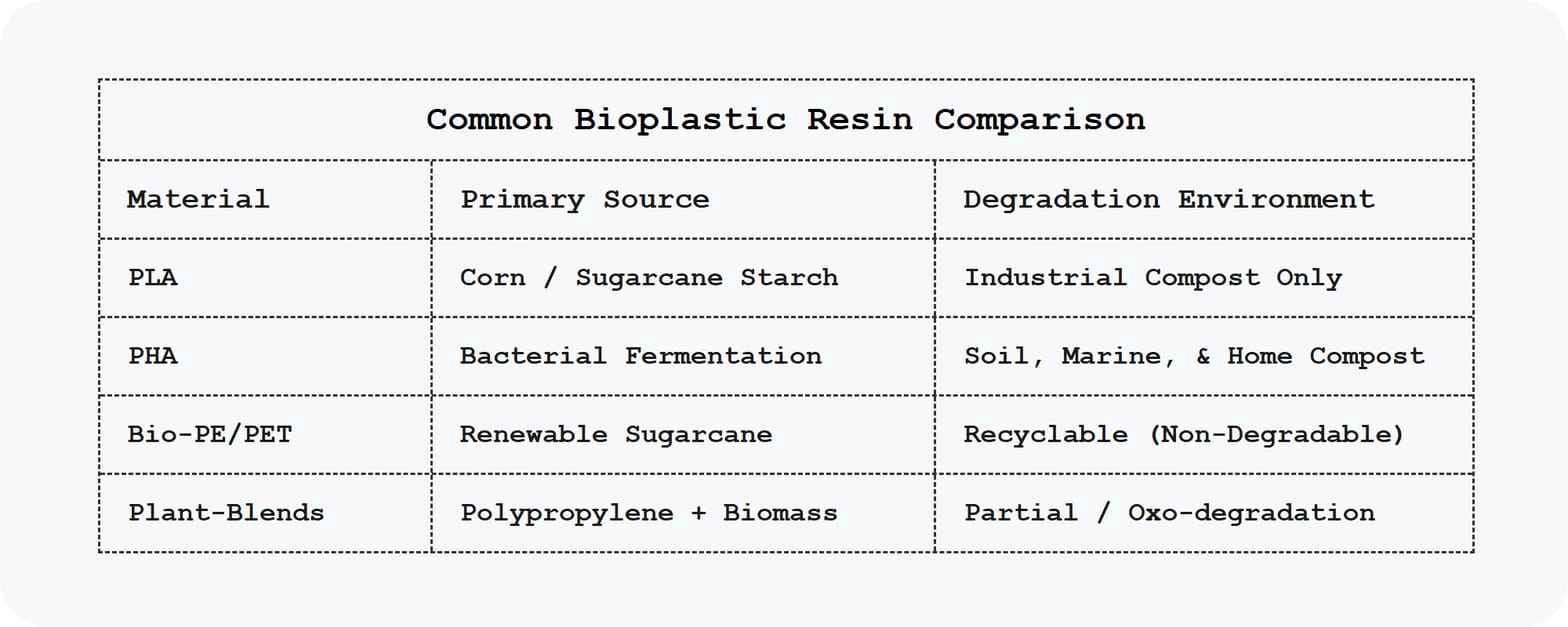
However, choosing the right material composition requires a careful balance between environmental end-of-life goals and physical barrier performance. While pure PLA offers high clarity and rigidity, it exhibits low impact resistance and thermal deformation at relatively low temperatures. PHA offers superior marine degradability and flexibility, but commands a higher material cost and requires precise thermal processing during blow molding. Understanding these resin profiles is the first step toward selecting a reliable biodegradable shampoo bottle that aligns with your formula requirements.
Conversely, if a standard PLA bottle is discarded in a conventional landfill or home backyard compost pile where temperatures remain ambient, degradation happens extremely slowly—often taking decades. PHA resins perform significantly better in home composting and ocean water environments, breaking down naturally without industrial intervention. Therefore, when sourcing biodegradable shampoo packaging, brands must verify the precise eco-certifications (such as EN 13432, ASTM D6400, or OK Compost) to ensure their environmental claims accurately reflect real-world end-of-life processing capabilities.
For personal care manufacturers and B2B buyers, the central question remains: Will a biodegradable container compromise product shelf life? A shampoo bottle must remain completely stable during high-speed automated filling, sea freight shipping inside hot cargo containers, warehouse storage for months, and daily exposure to warm, humid shower environments. Fortunately, bioplastics are engineered so that degradation is triggered by active microbial environments—not by liquid contact alone.
Under normal ambient warehouse and retail conditions (15℃-25℃ low humidity), high-quality bioplastic packaging maintains excellent physical stability. A properly formulated PLA or PHA blend offers an expected shelf life of 12 to 24 months without structural degradation or wall softening. The liquid shampoo formula inside—consisting primarily of water, surfactants, conditioning agents, and essential oils—does not contain the soil microbes or extreme thermal energy required to initiate biological polymer cleavage.
To guarantee product stability throughout its intended commercial lifecycle, reputable packaging suppliers conduct rigorous real-time and accelerated shelf-life testing. These evaluations place filled bioplastic containers in climate-controlled chambers to monitor potential volume loss, wall deformation, stress cracking, and ingredient migration. By selecting fully tested resin formulations, haircare brands can confidently offer sustainable packaging while assuring distributors and retailers of uncompromised product freshness and safety.
A shampoo bottle operates in one of the most demanding physical environments in the home: a wet, high-humidity shower stall where it is frequently handled with soapy, slippery hands. Standard petroleum plastics like High-Density Polyethylene (HDPE) and Polyethylene Terephthalate (PET) excel here due to their hydrophobic nature and high impact strength. For biodegradable alternatives to succeed, they must demonstrate equivalent resistance to moisture absorption, drop impact, and surface degradation.
Moisture vapor transmission rate (MVTR) is a critical technical metric for liquid packaging. If a bioplastic material has an overly high MVTR, water from inside the shampoo formula can evaporate through the bottle walls over time, resulting in product concentration or volume shrinkage. Modern bioplastic engineering solves this by utilizing multi-layer co-extrusion or incorporating high-barrier bio-coatings. These advanced processing methods ensure that the water barrier properties of bioplastic containers match traditional HDPE bottles, preventing formula evaporation even during long-term bathroom storage.
Impact resistance during accidental shower drops is another key structural consideration. Pure untreated PLA can be brittle upon hard floor impact; however, blending elastomeric bio-polymers or natural plant fibers into the resin matrix significantly enhances drop-test resilience. Reinforced biodegradable shampoo bottles can survive standard 1.5-meter drop tests onto hard tile surfaces without cracking or leaking. This ensures that eco-friendly packaging delivers the rugged, everyday durability consumers expect from high-end personal care products.
Shampoo formulations are chemically active liquids containing anionic and amphoteric surfactants, synthetic or natural fragrances, active anti-dandruff agents, and organic essential oils. Certain concentrated ingredients—particularly citrus essential oils, terpene-rich botanical extracts, and strong solvents—can interact with bioplastic polymers, leading to stress cracking, wall softening, or ingredient absorption into the plastic matrix.
Conducting comprehensive formula-package compatibility testing is therefore an essential step in product development. Packaging engineers store the brand's specific shampoo formulation inside prototype bioplastic containers under accelerated environmental conditions 40℃ at 75% relative humidity) for 8 to 12 weeks. During this period, technicians evaluate the container for visual changes, weight loss, dimension alterations, and structural stress-crack resistance (ESCR) around high-stress areas like the bottle neck and base.
For sensitive or aggressive formulations, custom inner barrier layers can be co-extruded into the bioplastic bottle. These thin bio-compatible liners prevent volatile fragrances from migrating outward while stopping oxygen from entering the container, preserving active botanical ingredients and extending overall shelf life. Partnering with a skilled packaging manufacturer guarantees that your custom biodegradable shampoo dispenser maintains chemical compatibility with your formula, ensuring optimal product performance from the first pump to the last drop.
Transitioning to eco-friendly packaging does not mean sacrificing brand aesthetics or shelf impact. Modern bioplastic blow-molding technology allows for extensive customization, enabling brands to craft distinctive, luxurious containers that command premium pricing. Bioplastic resins can be custom-colored using natural Pantone masterbatches, yielding shades ranging from soft pastel tones to rich, earthy neutrals that visually communicate clean beauty and natural formulation.
Surface finishing options for biodegradable bottles have advanced significantly in recent years. Manufacturers can apply matte soft-touch coatings, frosted effects, or tactile textures directly onto the bio-resin surface. Silk-screen printing with eco-friendly water-based inks, hot foil stamping, and custom embossing allow brand logos and ingredient lists to be displayed crisply without compromising the container's recyclability or compostability profile.
Furthermore, incorporating natural fibers like bamboo or wheat straw creates a subtle, speckled visual texture that makes every bottle visually unique. This tactile, organic look immediately signals environmental responsibility to shoppers browsing retail shelves or unboxing online orders. When paired with clear on-pack messaging regarding proper disposal instructions, high-aesthetic sustainable packaging deepens brand storytelling and builds lasting customer loyalty.
Successfully bringing a product with biodegradable shampoo packaging to market requires working with an experienced, technically proficient manufacturing partner. Bioplastic resins behave differently from petroleum plastics during blow molding, requiring precise temperature control, modified mold venting, and specialized screw design to prevent resin degradation during extrusion. An established packaging factory possesses the engineering expertise to optimize mold tooling and cycle times, delivering consistent dimensional tolerances and superior bottle quality.
When evaluating B2B packaging suppliers, procurement managers should look for comprehensive quality assurance protocols and official material certifications. Request third-party documentation confirming resin composition, food-contact safety compliance (such as FDA or EU standards), industrial compostability credentials, and environmental audit reports. A transparent supplier will readily provide raw material traceability and technical data sheets detailing tensile strength, melt flow index, and barrier specifications.
Additionally, consider the supplier's capacity for full-system integration. A complete packaging solution includes matching the bottle with functional closure systems—such as lotion pumps, flip-top caps, or disc-top dispensers. Sourcing your bottles and compatible closures from a single manufacturer ensures precise thread engagement, leak-proof sealing, and smooth pump actuation, streamlining your supply chain and eliminating assembly bottlenecks on your filling lines.
The evolution of bioplastic technology has made biodegradable shampoo bottles a viable, high-performance option for modern haircare brands seeking to reduce their environmental footprint. By understanding the true degradation conditions of plant-based resins, verifying long-term formula compatibility, and selecting engineered bio-composites that withstand daily shower usage, brand owners can deliver sustainable packaging solutions that meet the highest standards of durability and aesthetics.
Embracing eco-friendly containers is no longer just about meeting compliance standards—it is a powerful competitive strategy that elevates your brand identity, resonates with environmentally conscious consumers, and future-proofs your business in a rapidly changing global market.
Ready to transform your haircare product line with sustainable packaging solutions? Contact our experienced engineering and design team today to request bioplastic bottle samples, discuss custom mold tooling, and receive a tailored quote for your next eco-friendly packaging project!
 français
  Deutsche
  русский
  Español
  Italian
  português
  Nederlands
  Ελληνικά
  简体中文
简体中文  Polskie
  Czech
Czech