
Shenzhen Zhenghao Plastic & Mold Co.,Ltd

Tem No: zh-mb004 Capacity: 250ml 350ml 400ml 500ml 1000ml Material: PET Shape: round Used for: shampoo packaging Place of origin: Shenzhen, China MOQ: 5,000 pieces Unit price range: $0.3-0.6 Sample: available, free, client pay for sample shipping cost

Tem No: ZH-C70244 Capacity: 1L Material: 500ml 2L 4L Used for: detergent liquid bottle Place of origin: Shenzhen, China MOQ: 5,000 pieces Unit price range: $0.32-$0.48 Sample: available, free, client pay for sample shipping cost

Tem No: zh-p9309 Capacity: 2L Material: HDPE Shape: Round Used for: detergant liquid Place of origin: Shenzhen, China MOQ: 5,000 pieces Unit price range: $0.32-$0.48 Sample: available, free, client pay for sample shipping cost

Tem No: zh-c70231 Capacity: 1L Material: HDPE Shape: Round Used for: detergant liquid Place of origin: Shenzhen, China MOQ: 5,000 pieces Unit price range: $0.32-$0.48 Sample: available, free, client pay for sample shipping cost

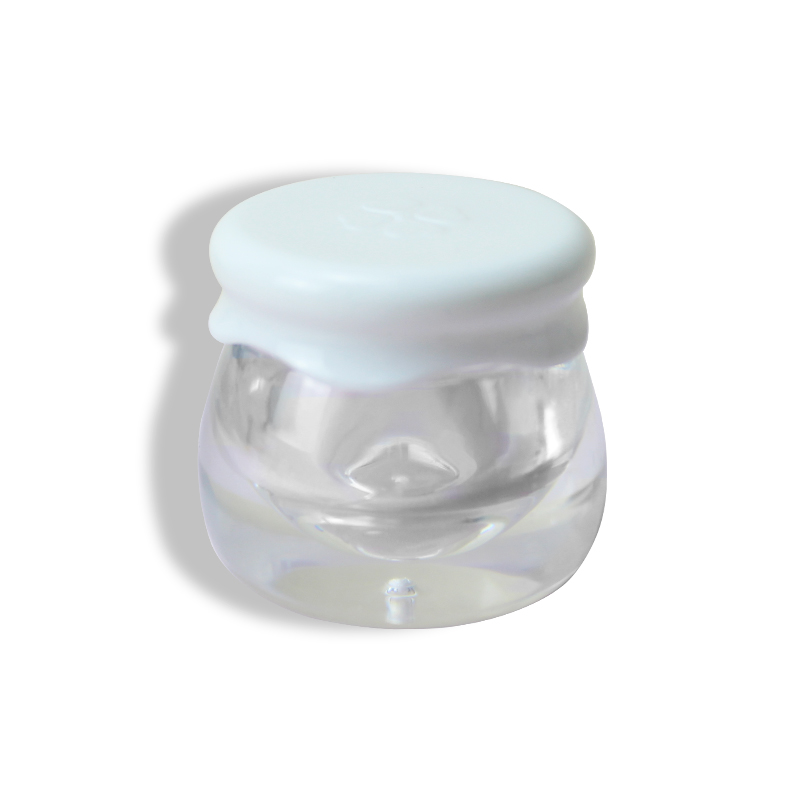
PP (Polypropylene) plastic containers are increasingly popular in the cosmetic and skincare industries, particularly for small-capacity products like creams, eye creams, and eyeliner gels.

plastic drink bottles factory, China cosmetic plastic bottles, disposable plastic bottle suppliers, plastic pet bottles manufactures, plastic bottles for lotion manufactures

customized color plastic bottle with pump 300ml 400ml 500ml round pet bottle for skincare plastic lotion bottle


HDPE Custom Eco PCR Recycled Plastic Bottle Body Tanning Oil 60ml Travel Size Squeeze Bottle Cosmetics


New female urine bottle. Equipped with a patented leak-proof cover to block urine leakage and avoid embarrassment. Currently, men's urine bottles are ...

These large empty pump bottles are ideal when you don’t want ugly or messy detergent bottles laying around. They are great for business use / work si...

Zhenghao Plastic & Mold Co.,Ltd had developed a new materia named HDPE sand blasting matieral, that is double layer bottle construction. The final bo...
Walk into any coffee shop, diner, or kitchen pantry, and you will spot them—bottles of syrup, standing ready to sweeten everything from pancakes to lattes. For decades, those bottles were almost exclusively glass. Thick, heavy, and undeniably traditional, glass syrup bottles carried a certain nostalgia. But if you look closely today, you will notice something has changed. More and more syrup brands—from artisanal maple producers to commercial coffee syrup lines—are making the switch to plastic.
For brands developing a new syrup product line—or reconsidering an existing one—the glass versus plastic decision is more than just a material choice. It is a decision that affects your shipping costs, your breakage rates, your shelf appeal, and ultimately, your bottom line. Here is what you actually need to know.
Glass has long been the gold standard for syrup packaging, and for good reasons. Glass is chemically inert—it will not react with the syrup inside, which means the flavor, aroma, and quality of the product remain completely unaffected. It provides strong protection against moisture and air, making it ideal for long-term storage. And let us be honest—there is something about a glass bottle that feels premium. It communicates tradition, authenticity, and craftsmanship in ways that plastic simply cannot replicate.
But glass comes with real, tangible drawbacks that many brands underestimate until it is too late. Glass is heavy—significantly heavier than plastic—which translates directly into higher shipping costs and increased carbon emissions across the supply chain. It is fragile. Breakage during transportation, in warehouses, or in customers‘ homes poses both a financial and safety risk. And glass is generally more expensive to produce than plastic. One industry analysis notes that glass bottles typically cost 2 to 4 times more than equivalent PET bottles at the same fill volume. For brands operating on tight margins, that difference is hard to ignore.
The glass syrup bottles market itself acknowledges these challenges. Industry reports cite “the high cost of glass compared to plastic alternatives and the fragility associated with glass packaging” as significant market restraints. Even as the market grows, glass producers are investing heavily in making their products lighter and more durable—an acknowledgment that weight and fragility remain persistent pain points.
This is where plastic enters the conversation—and where the conversation gets practical. Modern syrup packaging has increasingly turned to two primary plastic materials: PET (polyethylene terephthalate) and PP (polypropylene). Both offer distinct advantages that make them increasingly attractive to syrup brands of all sizes.
The most obvious advantage is weight. A plastic syrup bottle is dramatically lighter than its glass counterpart. This means lower shipping costs, lower fuel consumption during transport, and lower emissions across the supply chain. For brands shipping nationally or internationally, these savings add up fast. One manufacturer notes that PET bottles offer a cost-effective shipping solution, reducing transportation costs while still maintaining the quality and integrity of the product.
Then there is durability. Plastic syrup bottles are shatterproof and impact-resistant. They survive drops, bumps, and the rough handling that comes with shipping and everyday use. For e-commerce brands, this is a game-changer—fewer broken bottles mean fewer refunds, fewer angry customers, and less product waste. For consumers, plastic bottles are safer to handle, especially in households with children.
And contrary to what some might assume, plastic does not mean “cheap looking.” PET offers crystal clarity that rivals glass, allowing consumers to see the rich color and quality of the syrup inside. PET bottles also accept a wide range of customization options—screen printing, labeling, custom colors, and unique shapes—that help brands stand out on crowded shelves.
If you are looking for a plastic that comes closest to matching glass’s visual appeal, PET is your answer. PET syrup bottles offer glass-like clarity without the weight or fragility. They are lightweight, durable, and provide excellent barrier properties against moisture and gas.
But clarity is just the beginning. Food-grade PET is fully compliant with FDA regulations for food packaging applications, and it is BPA, BPS, and BPF free. For brands marketing to health-conscious consumers, these are important credentials. PET also offers good chemical resistance and meets the special storage requirements of pharmaceutical and food-grade packaging.
For syrups that need to be stored in the freezer, PET is an ideal choice because the material expands and is shatter-resistant. And for brands looking to reduce their environmental footprint, PET is widely recyclable and increasingly made with recycled content (rPET). According to the National Association for PET Container Resources, PET bottle recycling rates in the U.S. reached 33% in 2023, up from 29% in 2022, and over 90% of the U.S. population now has access to PET bottle recycling programs
While PET gets much of the attention, PP (polypropylene) deserves a closer look—especially for brands with specific production requirements. PP bottles are lightweight and impact-resistant, much like PET. But where PP truly excels is in heat resistance.
PP can withstand higher temperatures, which makes it ideal for hot-fill syrup processes. If your production line involves filling syrup while it is still hot, PP is a more reliable choice than PET, which can deform under high heat. PP is also recyclable in many municipalities and is less expensive to produce and transport than glass.
For brands that need both heat resistance and food safety, PP offers a compelling combination. It is commonly used for closures and caps as well—many flip-top and screw caps on syrup bottles are made from PP, even when the bottle itself is PET or glass.
Here is where the conversation gets really interesting for brands. One of the most powerful advantages of working with a custom syrup bottle manufacturer is the ability to create packaging that is uniquely yours—and plastic offers far more flexibility in this regard than glass.
Plastic can be molded into virtually any shape, from classic round bottles to square, oval, or completely custom designs. It accepts a wide range of colors, finishes, and decoration techniques. You can choose from clear PET for maximum visibility, amber PET for UV protection, or custom-colored bottles that align with your brand identity. You can add screen printing, hot stamping, shrink sleeve labels, or custom labeling. The possibilities are extensive.
For custom plastic syrup bottles, the ability to differentiate on the shelf is invaluable. In a crowded category where many products look similar, a distinctive bottle shape or color can be the difference between being noticed and being overlooked. And because plastic is easier and less expensive to customize than glass, brands can experiment with limited-edition designs, seasonal packaging, or regional variations without breaking the bank.
This is the question that every brand wrestles with: which material is actually more sustainable?
Glass is infinitely recyclable. It can be recycled over and over without losing quality, and glass recycling infrastructure is well-established. On the surface, glass looks like the clear winner.
But here is the complication. Glass is heavy. Transporting glass bottles consumes significantly more fuel than transporting plastic. And glass manufacturing requires high temperatures, which means high energy consumption. The reduced weight of plastic compared to glass means lower emissions across the entire supply chain.
PET, by contrast, is lightweight and widely recyclable. The PET syrup bottle market is benefiting from “advancements in PET bottle manufacturing technologies, which enhance the quality and functionality of these bottles”. Many PET bottles are now made with recycled content (rPET) and are part of closed-loop recycling systems. And according to a 2025 report, China’s PET bottle recycling rate reached 89.3%, far exceeding the global average of 62.1%.
The most sustainable choice depends on your specific supply chain, customer base, and market. For brands positioning themselves as eco-conscious, some are exploring refillable systems or bottles made from 100% recycled PET. Others are choosing plastic precisely because its lighter weight reduces shipping emissions. There is no single right answer—only the answer that fits your brand.
So how do you actually decide between glass and plastic for your syrup line?Start with your production process. Are you hot-filling? PP is your best bet. Room-temperature filling? PET or glass both work.
Think about your brand positioning. Are you a traditional, artisanal brand where glass reinforces your story? Or are you a modern, convenience-focused brand where plastic’s practicality is an asset?
Factor in your budget. Glass costs 2 to 4 times more per unit than PET, and shipping costs are higher due to weight. For brands operating on tight margins, plastic is often the only viable option.
And do not forget about your customers. Do they value premium aesthetics or practical usability? Do they care about sustainability, and if so, which material’s sustainability story resonates more with them?
The glass versus plastic debate for syrup bottles is not going away anytime soon. Both materials have passionate advocates, and both come with genuine trade-offs. Glass offers premium aesthetics and chemical inertness. Plastic offers lightweight durability, cost savings, and design flexibility.
But here is what we know for sure: the market is shifting. PET syrup bottles are growing at a significantly faster rate than glass. Brands are voting with their wallets, and increasingly, they are choosing plastic.
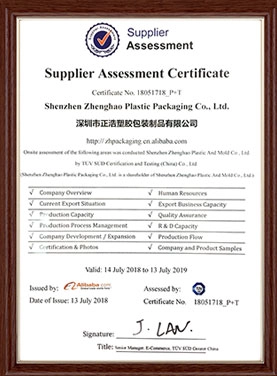
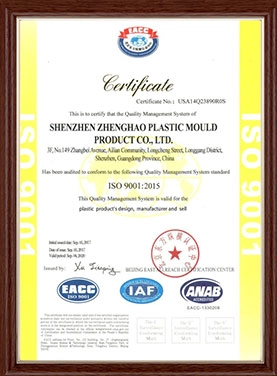
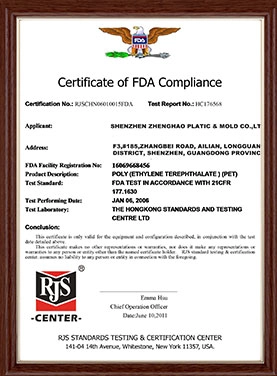
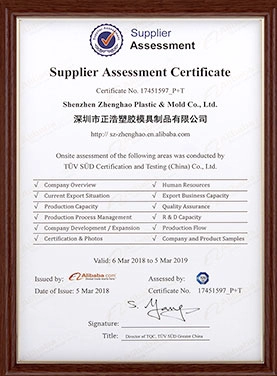
At Zhenghao Packaging, we have been helping brands navigate these decisions for over two decades. Whether you are looking for custom syrup bottles in PET, PP, or HDPE, we offer full customization capabilities—from material selection to mold design to finishing. Our 20,000㎡ factory and 8,600㎡ dust-free workshop are equipped to handle orders of any size, and our certifications including ISO 9001, Sedex, CE, and FDA ensure that your packaging meets the highest quality and safety standards.
Ready to explore your syrup bottle options? Let us talk about what material will bring your brand to life—and keep your product safe, fresh, and profitable.
 français
  Deutsche
  русский
  Español
  Italian
  português
  Nederlands
  Ελληνικά
  简体中文
简体中文  Polskie
  Czech
Czech