
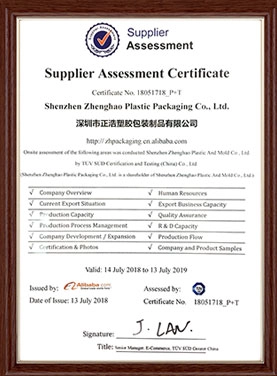
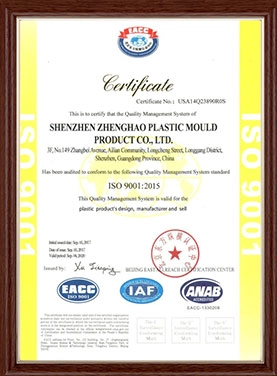
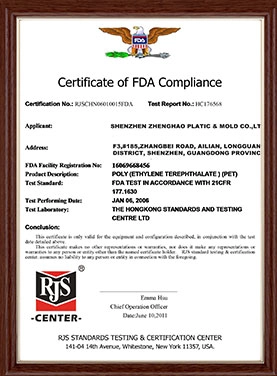
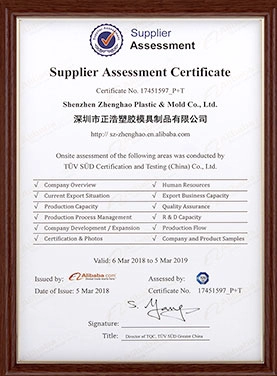
Shenzhen Zhenghao Plastic & Mold Co.,Ltd

Tem No: zh-mb004 Capacity: 250ml 350ml 400ml 500ml 1000ml Material: PET Shape: round Used for: shampoo packaging Place of origin: Shenzhen, China MOQ: 5,000 pieces Unit price range: $0.3-0.6 Sample: available, free, client pay for sample shipping cost

Tem No: ZH-C70244 Capacity: 1L Material: 500ml 2L 4L Used for: detergent liquid bottle Place of origin: Shenzhen, China MOQ: 5,000 pieces Unit price range: $0.32-$0.48 Sample: available, free, client pay for sample shipping cost

Tem No: zh-p9309 Capacity: 2L Material: HDPE Shape: Round Used for: detergant liquid Place of origin: Shenzhen, China MOQ: 5,000 pieces Unit price range: $0.32-$0.48 Sample: available, free, client pay for sample shipping cost

Tem No: zh-c70231 Capacity: 1L Material: HDPE Shape: Round Used for: detergant liquid Place of origin: Shenzhen, China MOQ: 5,000 pieces Unit price range: $0.32-$0.48 Sample: available, free, client pay for sample shipping cost

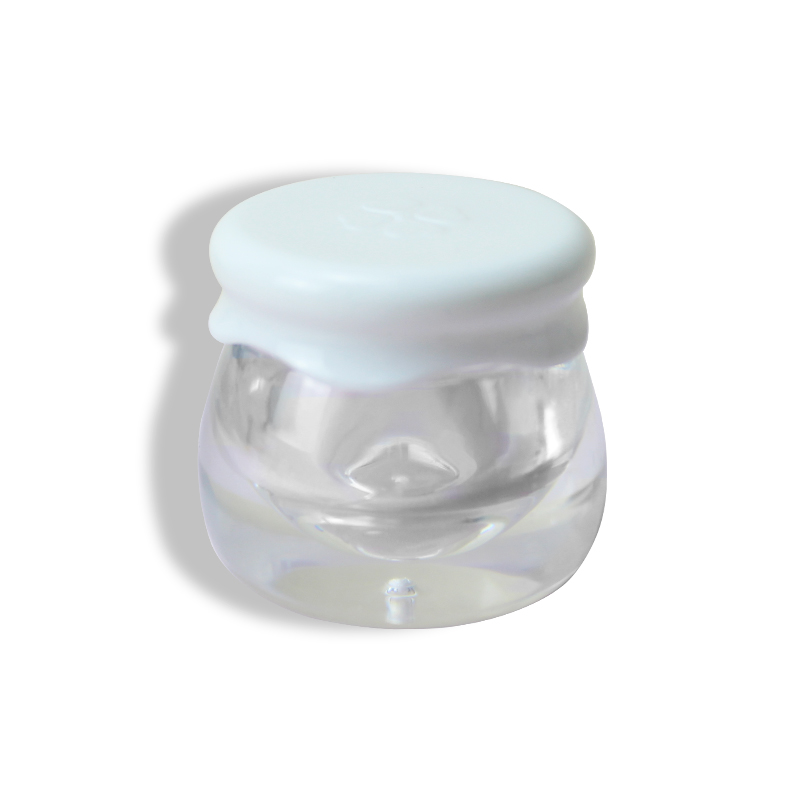
PP (Polypropylene) plastic containers are increasingly popular in the cosmetic and skincare industries, particularly for small-capacity products like creams, eye creams, and eyeliner gels.

plastic drink bottles factory, China cosmetic plastic bottles, disposable plastic bottle suppliers, plastic pet bottles manufactures, plastic bottles for lotion manufactures

customized color plastic bottle with pump 300ml 400ml 500ml round pet bottle for skincare plastic lotion bottle


HDPE Custom Eco PCR Recycled Plastic Bottle Body Tanning Oil 60ml Travel Size Squeeze Bottle Cosmetics


New female urine bottle. Equipped with a patented leak-proof cover to block urine leakage and avoid embarrassment. Currently, men's urine bottles are ...

These large empty pump bottles are ideal when you don’t want ugly or messy detergent bottles laying around. They are great for business use / work si...

Zhenghao Plastic & Mold Co.,Ltd had developed a new materia named HDPE sand blasting matieral, that is double layer bottle construction. The final bo...
Most sun care brands focus heavily on formula innovation and SPF rating promotion, yet overlook a critical factor that determines product stability: packaging design. Many newly launched sun care products suffer from reduced effectiveness, texture separation, and early expiration not due to poor formulation, but mismatched container structure and material choices. As a professional custom plastic packaging manufacturer serving global beauty brands, we’ve seen countless startup losses caused by generic packaging flaws. A 2026 cosmetic stability study confirms that improper sunscreen packaging can reduce active UV filter efficacy by up to 40% within half a year, severely damaging brand reputation and consumer trust.
Sunscreen formulas contain sensitive organic UV filters, mineral particles, and emulsified ingredients that are extremely vulnerable to external interference. Light exposure, air oxidation, and minor chemical reactions with low-grade plastic will gradually degrade product quality. Unlike ordinary skincare packaging, a qualified sunscreen bottle must balance aesthetic display, user experience, and long-term formula protection. For brand owners, optimizing packaging design is the most cost-effective way to extend shelf life and reduce after-sales quality complaints.
Material is the core foundation that decides whether sun care products can maintain stable performance throughout their shelf cycle, making custom sunscreen bottle material customization the top priority for quality-focused brands. Clear transparent plastic looks premium on retail shelves, but it allows ultraviolet rays to penetrate the bottle wall and destroy light-sensitive ingredients like avobenzone, a mainstream UV filter in high-SPF formulas. This explains why many clear-packaged sunscreen lotions turn yellow and lose SPF protection after just three months of shelf display.
Opaque HDPE and tinted PET materials are the most reliable choices for long-term storage. HDPE forms a dense molecular barrier that blocks light and oxygen infiltration, effectively locking the activity of mineral sunscreen ingredients and preventing water-oil separation. Tinted PET, on the other hand, balances moderate light resistance and visual aesthetics, suitable for mid-end brands that need both shelf attractiveness and product stability. As an experienced sunscreen bottle supplier, we always recommend targeted material matching based on formula ingredients instead of adopting universal stock packaging blindly.
The dispensing mode directly affects the contact frequency between sunscreen formulas and outside air, which is key to extending post-opening shelf life. Traditional open-jars cause severe secondary pollution and oxidation, while a professional sunscreen pump bottle adopts a semi-sealed or airless structure that greatly cuts air intake during each use. This design is especially critical for high-end sunscreen lotion bottle products with delicate emulsified formulas.
Many generic pump containers have loose internal structures that allow air backflow after pressing, slowly oxidizing residual products at the bottle bottom. Our customized pump structures optimize the one-way valve design to ensure zero air backflow during dispensing, extending the open shelf life of sunscreen products from 6 months to 12 months, fully complying with global cosmetic shelf life standards. For brands launching long-cycle retail products, this structural optimization effectively reduces batch return rates and improves consumer satisfaction.
Portable and cost-effective, the sunscreen squeeze bottle is widely used in daily and travel-sized sun care products, but poor sealing design is a common hidden danger of quality deterioration. Ordinary flip-top caps often have tiny gaps that let in humid air and bacteria during long-term storage and transportation, leading to formula mildew and texture deterioration. This problem is particularly prominent in empty sunscreen bottle stock products with unoptimized sealing details.
Our factory optimizes the sealing structure of squeeze containers by adding customized silicone gaskets and improving cap thread tightness, achieving full airtight and leak-proof effects. Whether stored in high-temperature warehouses, humid coastal environments, or portable outdoor scenarios, the sealed structure can isolate external interference stably. For children’s sunscreen and travel mini sunscreen bottle series that require long inventory cycles, upgraded sealing design is an essential customization detail to ensure full-cycle product quality stability.
Sunscreen spray bottle products face unique shelf life challenges due to their special internal pressure environment and large-area bottle body exposure. Spray formulas are mostly thin fluid blends with highly dispersed active ingredients, which are more sensitive to light and temperature changes than thick cream formulas. Ordinary transparent spray containers will cause uneven ingredient degradation, resulting in inconsistent spray fineness and reduced sun protection effect after long-term placement.
We provide professional light-blocking customization for spray packaging, including matte frosted surface treatment, dark tinted bottle body, and anti-UV coating technology. These processes do not affect the spray system’s fluency but can block 90% of harmful ultraviolet rays, fully protecting internal formula activity. Many outdoor sport sunscreen brands choose this customized solution to solve the pain point of short shelf life of spray products, ensuring product effectiveness remains consistent throughout the 2–3 year unopened shelf cycle.
Most generic packaging suppliers only focus on appearance and basic loading functions, ignoring the subtle structural and material details that affect shelf life. As a professional sunscreen bottle manufacturer with decades of cosmetic packaging experience, we take formula stability as the core of customization and conduct targeted optimization for different sun care product attributes, formula characteristics, and sales scenarios.
From material ratio adjustment and structural sealing optimization to surface light-blocking treatment and dust-free production, every process is designed to extend product shelf life and reduce brand quality risks. We support low-MOQ personalized customization for startup brands and one-stop bulk packaging solutions for mature enterprises, covering all mainstream styles such as pump, squeeze, and spray containers. All products pass FDA and EU cosmetic safety certifications, ensuring stable product quality and compliant shelf life for global market sales.
In summary, sunscreen bottle design is never just about visual aesthetics. Material selection, sealing structure, dispensing mode, and light-blocking performance jointly determine the product’s full-cycle stability and shelf life. For sun care brands pursuing long-term development, cooperating with a professional custom packaging factory to optimize packaging details can effectively avoid formula degradation, quality complaints, and inventory waste, building solid product competitiveness in the saturated sun care market.
 français
  Deutsche
  русский
  Español
  Italian
  português
  Nederlands
  Ελληνικά
  简体中文
简体中文  Polskie
  Czech
Czech