
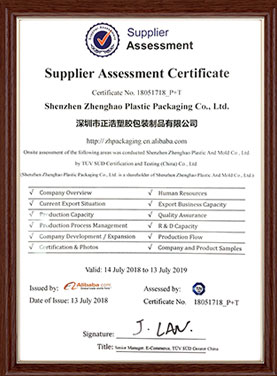
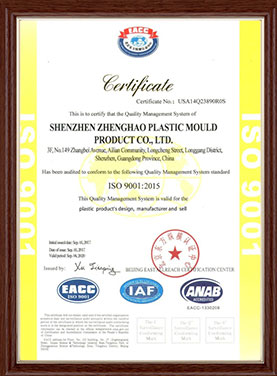
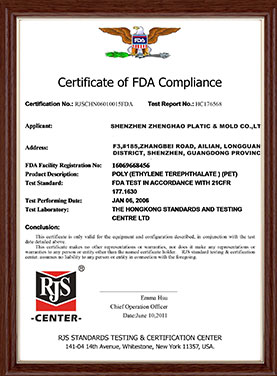
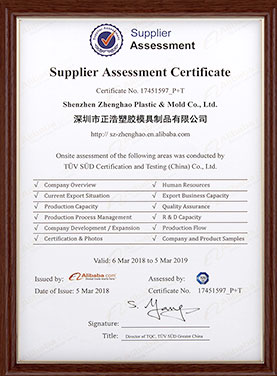
Shenzhen Zhenghao Plastic & Mold Co.,Ltd
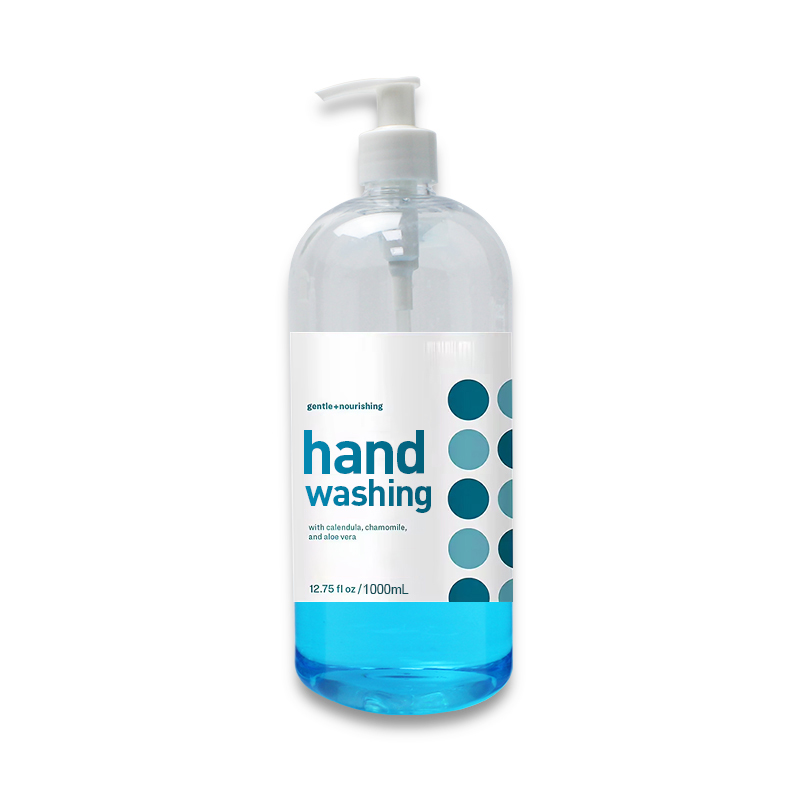
Tem No: zh-mb004 Capacity: 250ml 350ml 400ml 500ml 1000ml Material: PET Shape: round Used for: shampoo packaging Place of origin: Shenzhen, China MOQ: 5,000 pieces Unit price range: $0.3-0.6 Sample: available, free, client pay for sample shipping cost
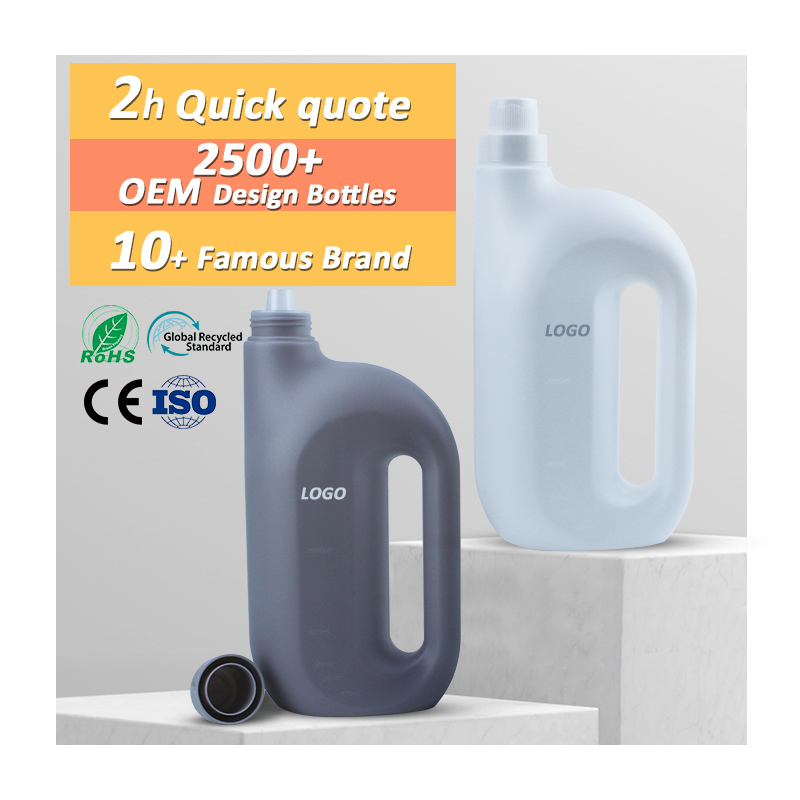
Tem No: ZH-C70244 Capacity: 1L Material: 500ml 2L 4L Used for: detergent liquid bottle Place of origin: Shenzhen, China MOQ: 5,000 pieces Unit price range: $0.32-$0.48 Sample: available, free, client pay for sample shipping cost
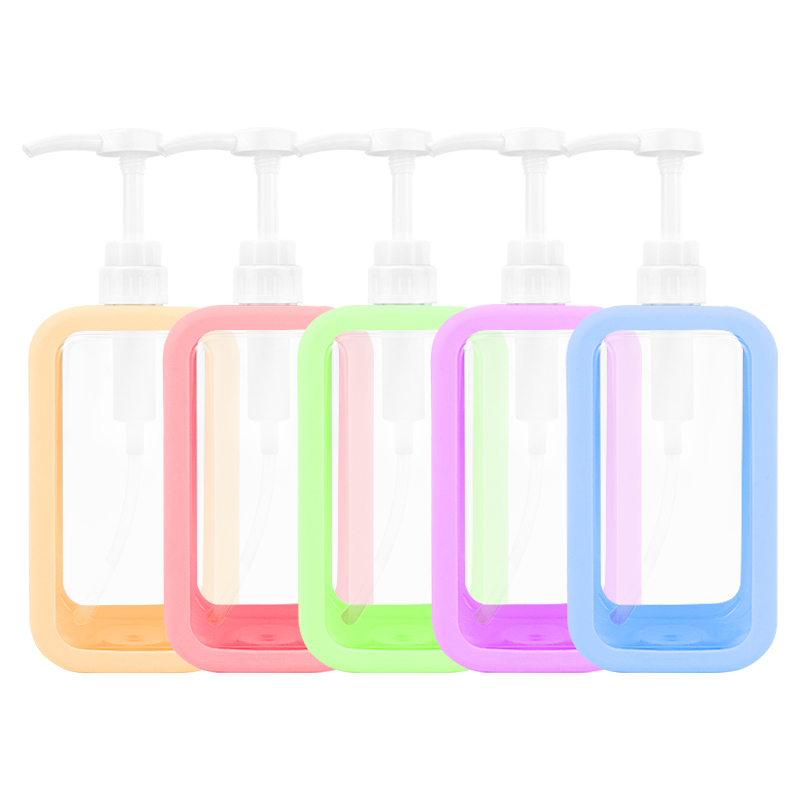
Tem No: zh-p9309 Capacity: 2L Material: HDPE Shape: Round Used for: detergant liquid Place of origin: Shenzhen, China MOQ: 5,000 pieces Unit price range: $0.32-$0.48 Sample: available, free, client pay for sample shipping cost
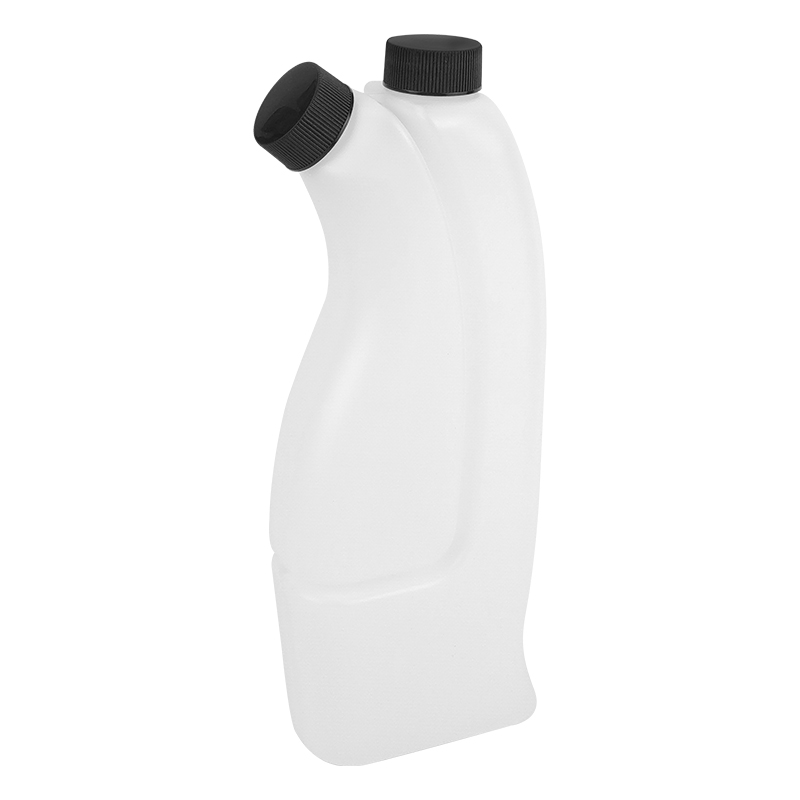
Tem No: zh-c70231 Capacity: 1L Material: HDPE Shape: Round Used for: detergant liquid Place of origin: Shenzhen, China MOQ: 5,000 pieces Unit price range: $0.32-$0.48 Sample: available, free, client pay for sample shipping cost

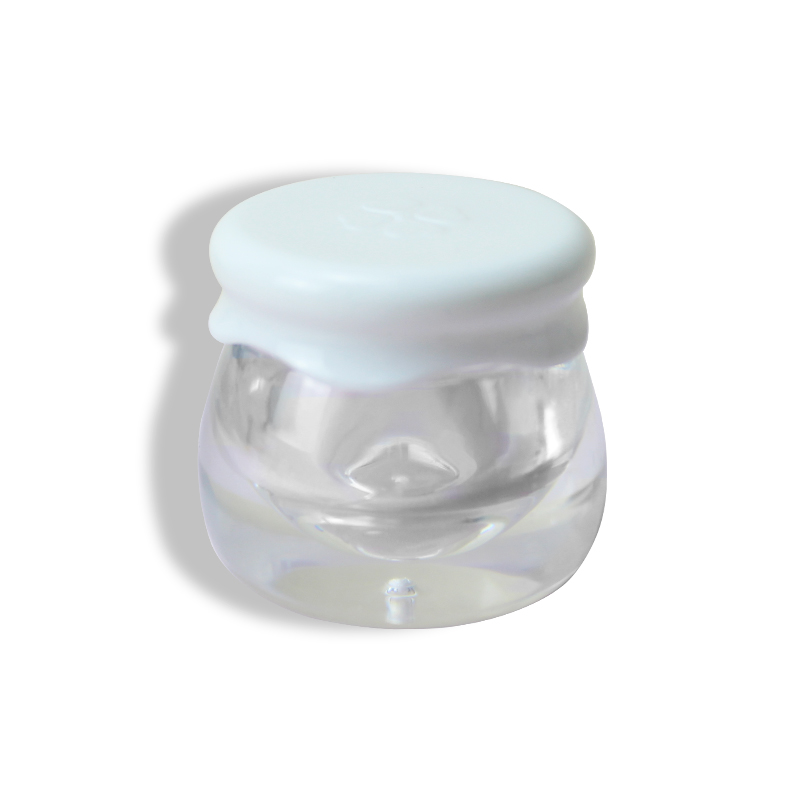
PP (Polypropylene) plastic containers are increasingly popular in the cosmetic and skincare industries, particularly for small-capacity products like creams, eye creams, and eyeliner gels.

plastic drink bottles factory, China cosmetic plastic bottles, disposable plastic bottle suppliers, plastic pet bottles manufactures, plastic bottles for lotion manufactures

customized color plastic bottle with pump 300ml 400ml 500ml round pet bottle for skincare plastic lotion bottle


HDPE Custom Eco PCR Recycled Plastic Bottle Body Tanning Oil 60ml Travel Size Squeeze Bottle Cosmetics


New female urine bottle. Equipped with a patented leak-proof cover to block urine leakage and avoid embarrassment. Currently, men's urine bottles are ...

These large empty pump bottles are ideal when you don’t want ugly or messy detergent bottles laying around. They are great for business use / work si...

Zhenghao Plastic & Mold Co.,Ltd had developed a new materia named HDPE sand blasting matieral, that is double layer bottle construction. The final bo...
When a custom candy jar fails its seal, most buyers assume the cap is at fault. Sometimes it is. But more often, the problem traces back to a single overlooked parameter that most jar packaging spec sheets don't even list: the thread angle.
If you are sourcing custom jars for gummy candies, hard mints, chocolate-coated nuts, or freeze-dried fruit, a 2‑degree shift in that angle can mean the difference between a jar that stays airtight for 12 months and one that starts sucking in moisture before it reaches the shelf.
This article is written for brand owners and procurement managers who need to know what to ask for—and what to watch out for—before signing off on a custom mold.
What exactly is the thread angle, and why should you care?
The thread angle is the angle formed between the flanks of a thread measured in an axial plane. In plain English: it's the V‑shape of the threads on both the jar neck and the cap.
For packaging, the most common thread angles fall into two ranges: 15° and 30° profiles, depending on the closure specification (such as the widely referenced C‑410 standard for 20mm neck finishes). That might not sound like a big difference, but a 30° profile creates a broader, shallower engagement between cap and jar, while a 15° profile cuts sharper and deeper.
For your custom candy jar, the angle decides three critical things:
♦How much surface contact the cap makes with the sealing liner or land?
♦How easily the cap starts threading without cross‑threading?
♦How much torque is required to reach a reliable seal?
The thread profile directly impacts seal performance, application torque, resealability, and even tamper evidence. Get the angle wrong, and everything downstream suffers.
The most common thread‑angle mistake brand buyers make
The mistake is almost always the same. A brand owner picks a stock jar that works for dry storage, requests a custom colored cap, and assumes the cap fits because the diameter matches. When the first production run arrives, the caps either jam halfway or feel loose even after full tightening.
Here is what actually happened: the stock jar was molded with a thread angle optimised for low‑torque manual capping, while the custom caps were produced using a different angle spec—often a beverage‑oriented profile—unknown to both the buyer and the supplier. The mismatch creates inconsistent axial compression, meaning the cap never seats flush against the sealing land.
In high‑speed filling lines, an improperly aligned or uneven thread profile can lead to skipping, mis‑threading, or even neck cracking—all costly issues in an industrial environment. For a candy brand running tens of thousands of units per shift, that means rejected jars, line stoppages, and angry customers.
Always request the thread specification sheet for both the jar finish and the cap. Confirm that the angle matches, and ask for a torque‑compatibility test report before cutting the mold.
How thread angle affects your product's shelf life?
Candy jars face a unique challenge: sugar is hygroscopic. Once moisture enters, hard candies get sticky, gummies sweat, and chocolate‑coated products lose their snap.
The thread angle influences moisture ingress in two ways.First, a poorly matched angle reduces the compression force applied to the sealing liner (or the land seal on linerless designs). Lower compression means microscopic channels through which humid air can slowly migrate. The thread profile on a plastic jar neck is precision‑engineered to balance grip and sealing force; too tight a fit can deform the neck under thermal expansion during transport, while too loose a fit invites leakage.
Second, the angle affects how consistently the cap seats under real‑world conditions. A cap that requires high torque to reach full seal will not get that torque on every manual close at retail—consumers simply do not tighten lids that hard. Conversely, a cap that seals too easily may be prone to loosening during vibration in transit.
A well‑designed thread doesn't just secure the cap; it helps maintain internal pressure and product freshness, which is particularly crucial for moisture‑sensitive confectionery.
For candy brands, the practical takeaway is this: if your previous jar supplier could not provide documented thread‑angle compatibility data, you have been taking a shelf‑life risk you did not need to take.
Material‑specific considerations that change the angle
Plastic shrinks as it cools. Different materials shrink at different rates, and that shrinkage does not stop when the part ejects from the mold. If your jar is polyethylene terephthalate (PET) and your cap is high‑density polyethylene (HDPE) or polypropylene (PP), the two components shrink differently after molding..
A thread angle that produces a perfect fit at 23°C may become sloppy at refrigeration temperatures or overly tight after a hot‑fill process.
For warm‑fill candy applications (such as caramel or fudge that is poured at 65–80°C), the jar finish may experience post‑mold crystallisation that subtly changes its dimensional profile. Some manufacturers add draft angles of 0.5–1° to the core side of the tool to compensate for this.,. Buyers sourcing jars for hot or warm fills should ask their supplier about shrinkage compensation values—a detail most packaging salespeople never volunteer.
A good rule of thumb: if your candy product is filled above 40°C or stored across a wide temperature range (e.g., shipped from a cold warehouse to a warm store), request a thermocycle seal test using your actual cap and jar combination at the extremes of your expected range.
What to look for on a torque test report?
Many brand owners never ask for torque data. That is a mistake.
ASTM D3198 is the standard test method for measuring both the torque required to apply a closure and the torque required to remove it. The test helps ensure that closures provide an adequate seal while remaining easy enough for consumers to open.
A torque test report for your custom candy jar should tell you:
Application torque — the force used to secure the closure during capping. This directly affects seal integrity, leakage prevention, and tamper resistance. Insufficient torque leads to weak sealing; excessive torque can damage threads or closures.
Removal torque — the force required to open the jar once sealed. This must be high enough to resist loosening during transit but low enough that a typical adult can open it without tools or frustration.
For a jar with a diameter under 38mm, typical torque values fall between 0.6 N·m and 2.2 N·m, depending on the closure design and product requirements.. Ask your supplier for batch‑to‑batch torque consistency data, not just a one‑off sample report.
Also, note that FDA regulations (21 CFR 213.84) require firms to take appropriate actions to protect against container and closure leaks, including performing leak tests both at the time of fill and after fill prior to release.. If your packaging supplier cannot provide documented conformance to applicable standards, that is a red flag.
Frequently Asked Questions
1.Can I mix jar and cap from different suppliers and still get a good seal?
Possibly, but not without testing. Even when nominal diameters match, thread‑angle mismatches are common. Always run a torque‑compatibility test and a vacuum leak test using your actual components before approving production.
2.What happens if the thread angle is too steep or too shallow?
Too steep (e.g., 30° when 15° is intended) often reduces axial compression, leading to seal weakness. Too shallow can increase required torque to the point where consumers struggle to open the jar—or the cap does not seat fully, leaving a gap.
3.Are there industry standards I should reference in my custom packaging spec?
Yes. Common references include ASTM D3198 for torque testing, ASTM F2338 for vacuum decay leak detection, and CETIE technical data sheets for cap‑finish dimensions.,,. Including these standards in your RFQ signals that you are a knowledgeable buyer.
4.How do I verify thread quality without expensive lab equipment?
A simple field check is to apply the cap with a calibrated torque driver at your specified value, then submerge the sealed jar in water while applying a mild vacuum (a hand‑pump vacuum tester suffices). Watch for bubbles. Not foolproof, but it catches gross mismatches.
4.Does thread angle affect tamper‑evident band performance?
Indirectly, yes. If the cap does not seat at the correct vertical position due to angle mismatch, the tamper‑evident bridges may engage too early or too late, making the band either too hard to break or too easy to bypass.

 français
  Deutsche
  русский
  Español
  Italian
  português
  Nederlands
  Ελληνικά
  简体中文
简体中文  Polskie
  Czech
Czech