
Shenzhen Zhenghao Plastic & Mold Co.,Ltd
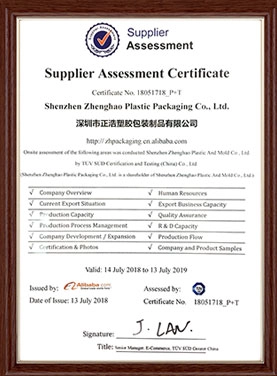
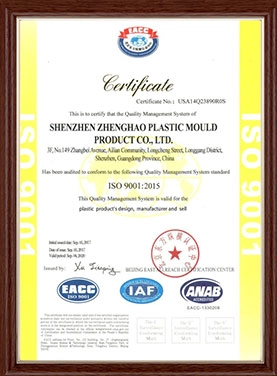
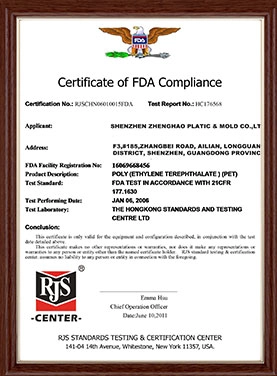
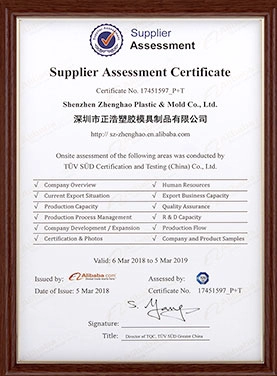

Tem No: zh-mb004 Capacity: 250ml 350ml 400ml 500ml 1000ml Material: PET Shape: round Used for: shampoo packaging Place of origin: Shenzhen, China MOQ: 5,000 pieces Unit price range: $0.3-0.6 Sample: available, free, client pay for sample shipping cost

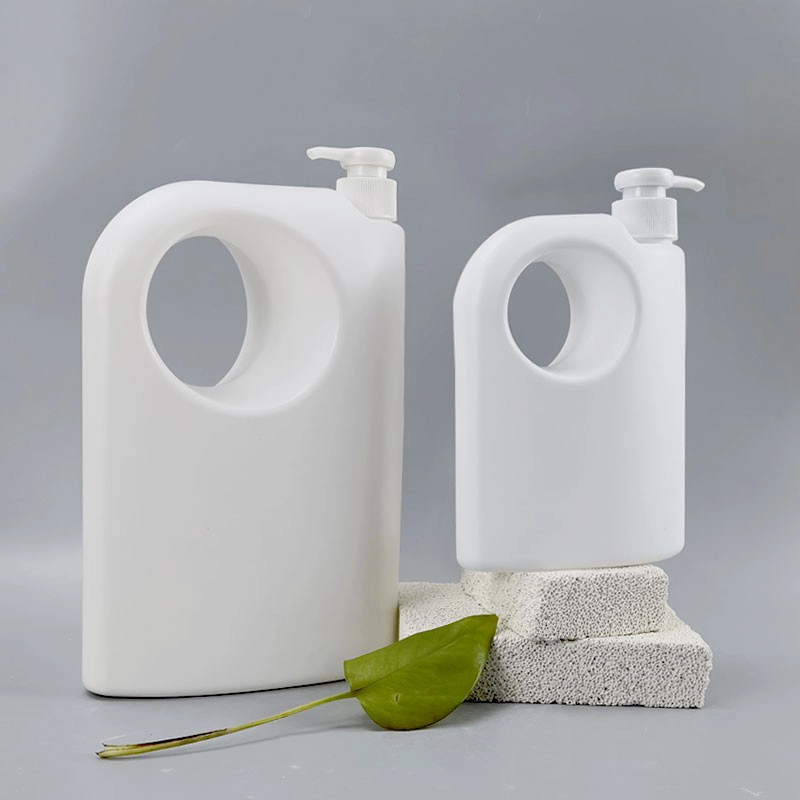
Tem No: ZH-C70244 Capacity: 1L Material: 500ml 2L 4L Used for: detergent liquid bottle Place of origin: Shenzhen, China MOQ: 5,000 pieces Unit price range: $0.32-$0.48 Sample: available, free, client pay for sample shipping cost

Tem No: zh-p9309 Capacity: 2L Material: HDPE Shape: Round Used for: detergant liquid Place of origin: Shenzhen, China MOQ: 5,000 pieces Unit price range: $0.32-$0.48 Sample: available, free, client pay for sample shipping cost

Tem No: zh-c70231 Capacity: 1L Material: HDPE Shape: Round Used for: detergant liquid Place of origin: Shenzhen, China MOQ: 5,000 pieces Unit price range: $0.32-$0.48 Sample: available, free, client pay for sample shipping cost

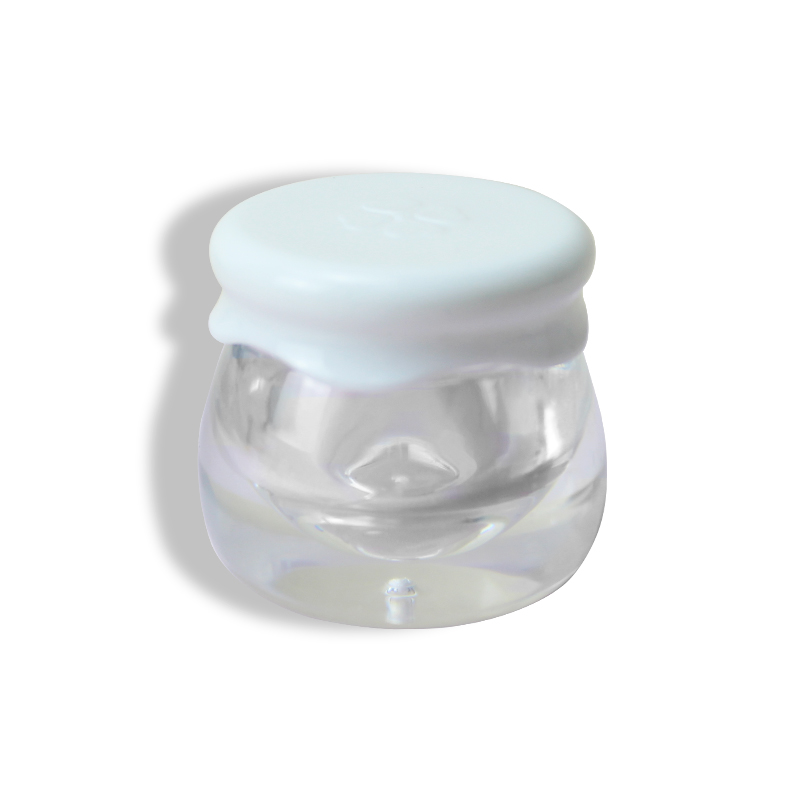
PP (Polypropylene) plastic containers are increasingly popular in the cosmetic and skincare industries, particularly for small-capacity products like creams, eye creams, and eyeliner gels.

plastic drink bottles factory, China cosmetic plastic bottles, disposable plastic bottle suppliers, plastic pet bottles manufactures, plastic bottles for lotion manufactures

customized color plastic bottle with pump 300ml 400ml 500ml round pet bottle for skincare plastic lotion bottle


HDPE Custom Eco PCR Recycled Plastic Bottle Body Tanning Oil 60ml Travel Size Squeeze Bottle Cosmetics


New female urine bottle. Equipped with a patented leak-proof cover to block urine leakage and avoid embarrassment. Currently, men's urine bottles are ...

These large empty pump bottles are ideal when you don’t want ugly or messy detergent bottles laying around. They are great for business use / work si...

Zhenghao Plastic & Mold Co.,Ltd had developed a new materia named HDPE sand blasting matieral, that is double layer bottle construction. The final bo...
When cosmetic brands launch sunscreen products, one of the most tangled questions is: "Should I choose plastic or glass for sunscreen bottles packaging ?"As a professional plastic bottle custom manufacturer with 20+ years of experience in cosmetic packaging, we have helped hundreds of sunscreen brands solve material selection problems. Today, we will analyze the two materials from a practical perspective to help you make the right choice.
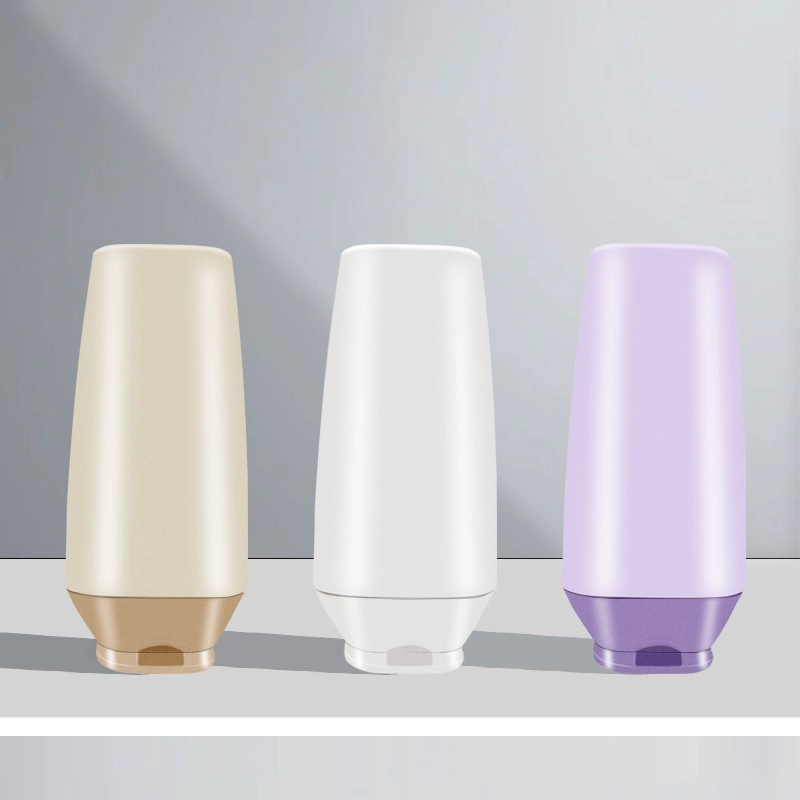
1. Why does sunscreen lotion/tanning oil bottle material selection matter so much?
Sunscreen contains UV-blocking active ingredients that are easily decomposed by light, high temperature, and oxygen. The bottle material directly determines whether the product can maintain effectiveness during shelf life. Moreover, sunscreen is often used outdoors or on the go, so the bottle's portability, durability, and cost also affect consumer experience and brand profits. As a custom supplier, we always remind brands: material selection should fit product positioning, not just follow trends.
2.Plastic vs Glass: Core characteristics you need to know
Plastic sunscreen bottles (mainly PET, HDPE) have obvious advantages: they are lightweight (only 1/5 the weight of glass), drop-resistant, and not easy to break—perfect for outdoor use. Nowadays, more and more brands customize refillable travel-sized sunscreen bottles, with the core requirements being leak-proof and portable. Plastic materials are more likely to meet these core demands.
On the other hand, glass bottles have a high-end texture and good chemical stability, as well as a relatively high-end appearance, but they are heavy and fragile. It is very easy to cause damage, increasing the risks of transportation and after-sales service.
3.Which material better protects sunscreen ingredients?
Many brands worry that plastic bottles cannot protect active ingredients. In fact, professional plastic manufacturers can add UV inhibitors to plastic materials during production. Our customized plastic sunscreen bottles have passed third-party tests: the light transmittance is controlled below 3%, which can block 99% of ultraviolet rays—even better than ordinary clear glass. Glass bottles need to be colored (like amber) to achieve similar effects, but this increases production costs by 30% and limits transparent design needs.
4. Which mass production has a lower cost?
From a manufacturer's perspective, plastic sunscreen bottles have obvious cost advantages. The mold opening cost of plastic bottles is 50% lower than that of glass bottles, and the production speed is 3 times faster—suitable for brands that need mass production (10,000+ units). In transportation, a carton can hold 50 plastic bottles, but only 20 glass bottles, reducing logistics costs by 40%. For mass-market sunscreen brands that pursue cost-effectiveness, plastic is undoubtedly the more practical choice.
5. How can plastic manufacturers support brand customization?
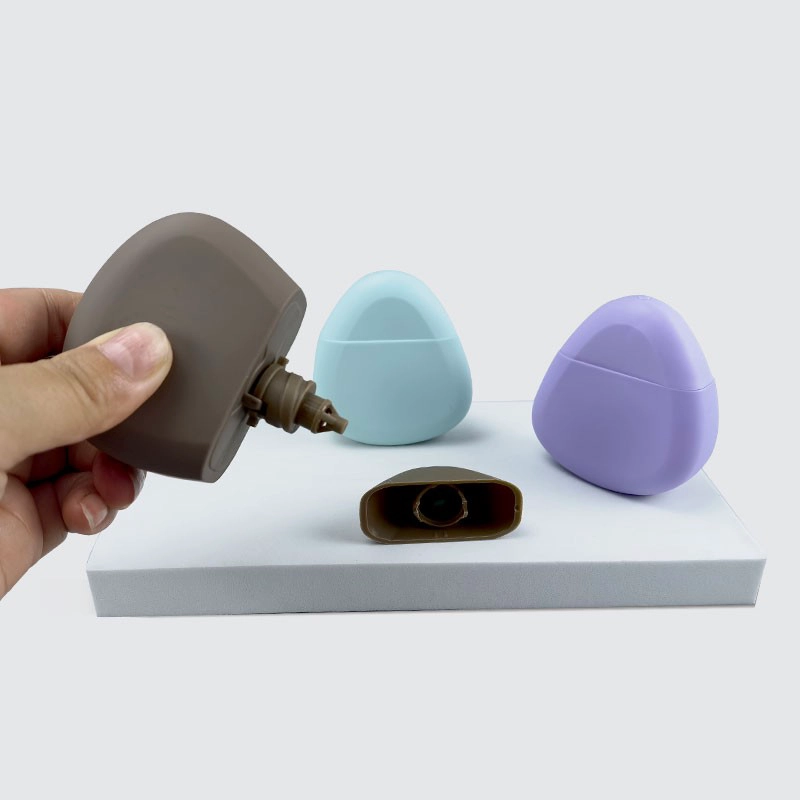
As a custom plastic manufacturer, we offer one-stop service for sun protection bottles From material selection (food-grade PET, PETG/HDPE) to design (unique shape and functional design, whether large or small sunscreen bottles, or spray bottle sunscreen or pump bottle sunscreen), and then to surface treatment (such as oil spraying, frosted, soft touch and even environmental upgrade (recyclable plastic). For instance, we once helped an korean outdoor sunscreen brand develop a 30mm plastic bottle with a clip-on design, which could be easily attached to a backpack and was well-received by consumers. For brands that want a "high-end feel", we can choose PETG material. PETG material looks very similar to glass in appearance.
6.Final suggestion from the manufacturer
There is no "best material" for sunscreen bottles, only the "most suitable" one. If your brand focuses on portability, cost-effectiveness, and mass production, plastic bottles are the optimal choice; if you are a niche high-end brand targeting luxury consumers, glass can be considered. Our factory provides customized services for both materials, but 80% of our sunscreen brand clients ultimately choose plastic—thanks to its balance of performance, cost, and flexibility.

 français
  Deutsche
  русский
  Español
  Italian
  português
  Nederlands
  Ελληνικά
  简体中文
简体中文  Polskie
  Czech
Czech