
Shenzhen Zhenghao Plastic & Mold Co.,Ltd
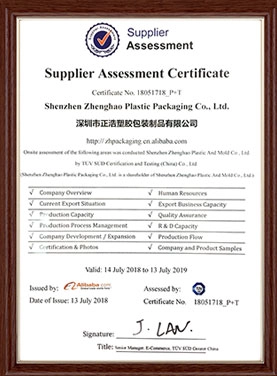
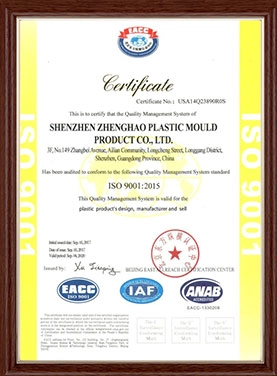
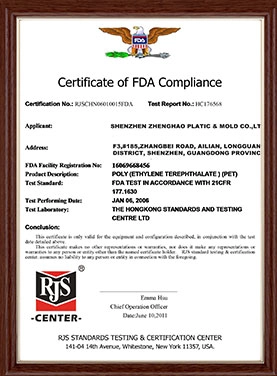
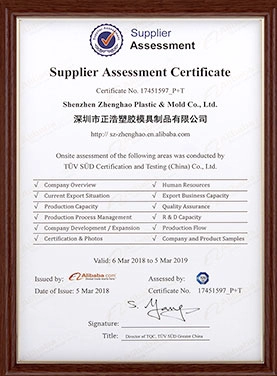

Tem No: zh-mb004 Capacity: 250ml 350ml 400ml 500ml 1000ml Material: PET Shape: round Used for: shampoo packaging Place of origin: Shenzhen, China MOQ: 5,000 pieces Unit price range: $0.3-0.6 Sample: available, free, client pay for sample shipping cost

Tem No: ZH-C70244 Capacity: 1L Material: 500ml 2L 4L Used for: detergent liquid bottle Place of origin: Shenzhen, China MOQ: 5,000 pieces Unit price range: $0.32-$0.48 Sample: available, free, client pay for sample shipping cost

Tem No: zh-p9309 Capacity: 2L Material: HDPE Shape: Round Used for: detergant liquid Place of origin: Shenzhen, China MOQ: 5,000 pieces Unit price range: $0.32-$0.48 Sample: available, free, client pay for sample shipping cost

Tem No: zh-c70231 Capacity: 1L Material: HDPE Shape: Round Used for: detergant liquid Place of origin: Shenzhen, China MOQ: 5,000 pieces Unit price range: $0.32-$0.48 Sample: available, free, client pay for sample shipping cost

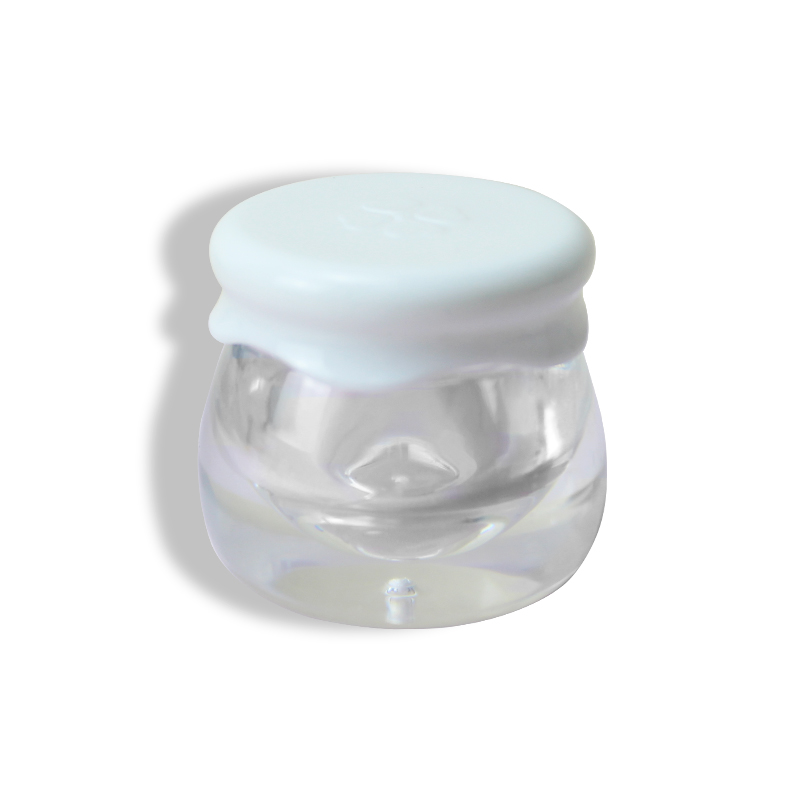
PP (Polypropylene) plastic containers are increasingly popular in the cosmetic and skincare industries, particularly for small-capacity products like creams, eye creams, and eyeliner gels.

plastic drink bottles factory, China cosmetic plastic bottles, disposable plastic bottle suppliers, plastic pet bottles manufactures, plastic bottles for lotion manufactures

customized color plastic bottle with pump 300ml 400ml 500ml round pet bottle for skincare plastic lotion bottle


HDPE Custom Eco PCR Recycled Plastic Bottle Body Tanning Oil 60ml Travel Size Squeeze Bottle Cosmetics


New female urine bottle. Equipped with a patented leak-proof cover to block urine leakage and avoid embarrassment. Currently, men's urine bottles are ...

These large empty pump bottles are ideal when you don’t want ugly or messy detergent bottles laying around. They are great for business use / work si...

Zhenghao Plastic & Mold Co.,Ltd had developed a new materia named HDPE sand blasting matieral, that is double layer bottle construction. The final bo...
When beauty and personal-care brands develop new serum or essential-oil lines, one of the first questions they ask their packaging supplier is: “How do we choose the right dropper bottle material? As a long-term plastic bottle supplier working across cosmetic bottles wholesale projects and custom tooling, we support customers ranging from cosmetic bottle supplier distributors to global skincare companies. Today, we’re breaking down the practical differences between PET, PETG, and glass for dropper bottles—combined with real market insights from product families such as cosmetic spray bottle, massage oil bottle, serum oil bottle , and more.
Why Material Matters in Dropper Bottle Development ?
Choosing the right material impacts chemical compatibility, visual aesthetics, recyclability, and cost. For brands manufacturing sensitive formulas like retinol, vitamin C serums, or essential oils, material choice can also affect product stability. Many customers exploring wholesale cosmetic bottles or wholesale cosmetics bottles are surprised by how different PET, PETG, and glass perform in real-world conditions.
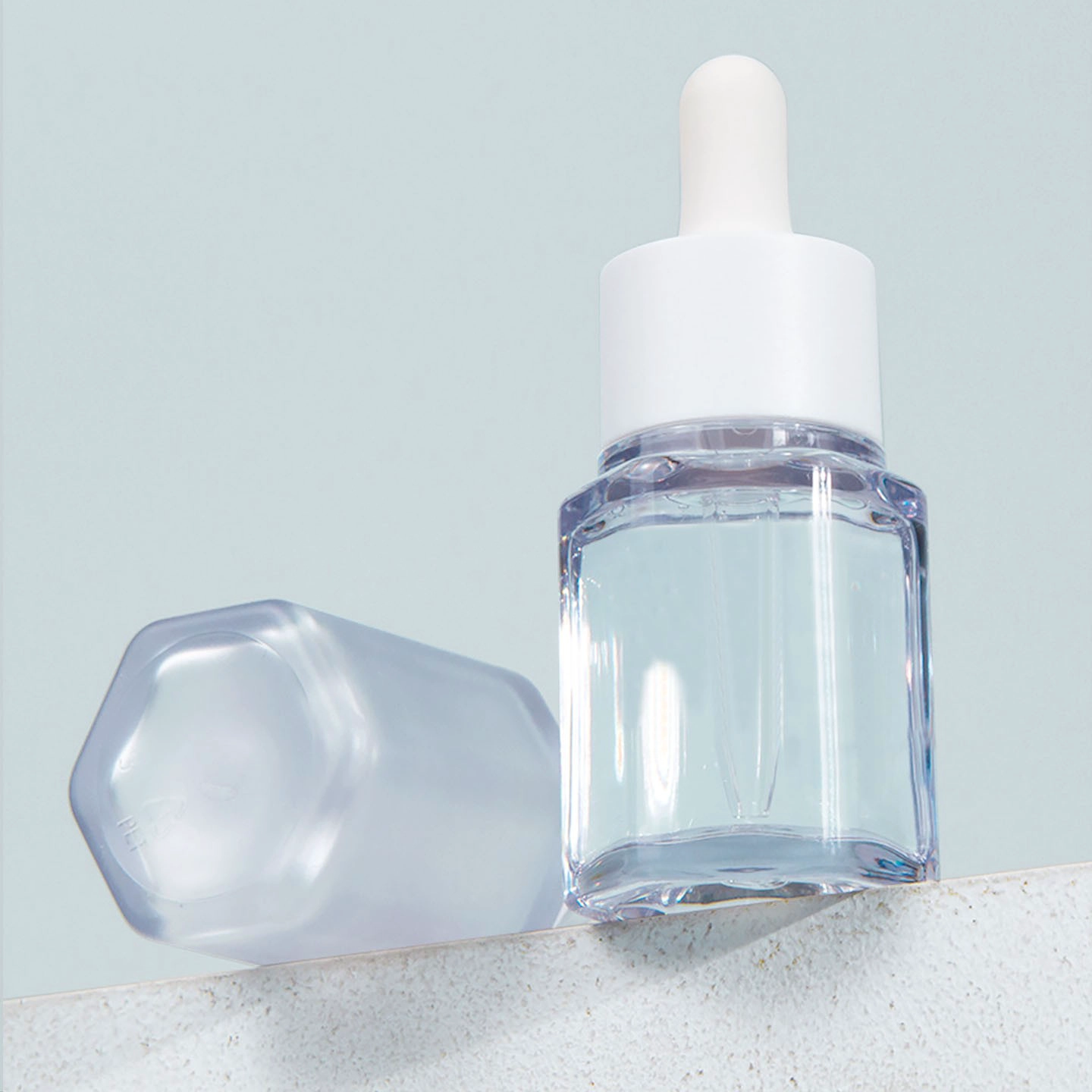
PET Dropper Bottles: Lightweight, Strong, and Highly Recyclable
PET—the same material used for plastic juice bottles and beverage packaging—is valued for clarity, strength, and recyclability. It’s also an excellent option for brands targeting larger-volume marketing keywords like plastic bottle recycling or recycle plastic bottles, because PET’s recycling stream is already mature worldwide.
Advantages of PET:
1.Excellent impact resistance (ideal for e-commerce drops)
2.High clarity similar to glass
3.Lightest among the three materials
4.Cost-efficient for high-volume production
5.Compatible with many water-based skincare formulas
PET is widely used for products such as sunscreen lotion bottle, lotion bottles wholesale, and plastic squeeze bottles, making it a reliable choice for brands scaling quickly. Most PET bottles are relatively thin and seem to have a relatively low quality. Therefore, Zhenghao has launched thick wall PET bottles, which have a high-end and luxurious brand effect.
PETG dropper bottle: Luxurious appearance and superior chemical resistance
PETG is the upgraded brother of PET. If you are familiar with high-end packaging, such as high-end plastic perfume bottles and wholesale thick-walled cosmetic bottles, PETG is often the preferred material.
The advantages of PETG:
1.Crystal clear and smooth in appearance
2.It has good compatibility with oily or alcohol-based formulas
3.More flexible and crack-resistant than glass
4.Supports high-end shapes and thicker walls
The disadvantage of PETG: Its cost is higher than that of PET
Glass Dropper Bottles: Premium, Stable, and Ideal for Sensitive Formulas
Glass remains the gold standard for luxury cosmetics—especially serums and essential oils. Brands wanting a highly premium feel or formulation protection often choose amber, clear, or colored glass variants similar to the aesthetic cues of purple bottle shampoo and high-end skincare bottles.
Advantages of Glass:
1.Completely impermeable and inert
2.Highest chemical resistance
3.Premium weight and texture
4.Great for natural, organic, or essential-oil-focused brands
5.Formulas like vitamin C and retinol—common in high-end skincare—benefit significantly from glass’s barrier properties.
The disadvantages of glass: It is fragile and has a relatively high transportation cost
How to Choose: PET vs PETG vs Glass for Dropper Bottles?
Choose PET if you want:
Cost efficiency for cosmetic bottles wholesale
Lightweight shipping
Good clarity + recyclability (great for eco-focused marketing)
Ideal for daily serums, toners, essence, and mass-market collections.
Choose PETG if you want:
A luxury look without the cost of glass
Thick-wall aesthetics
Compatibility with oil-based formulas
Great for prestige serums, high-gloss multi-color packaging (similar to sunscreen blue bottle or purple lotion bottle), and products needing durability.
Choose Glass if you want:
The most premium sensory experience
Maximum formula protection
A natural or organic brand identity
Perfect for essential oil blends, highly active serums, or boutique beauty collections.
Our experience manufacturing a wide range of packaging—from shampoo bottles, cosmetic spray bottle, plastic spray bottle, to owala water bottle tan and travel-friendly lines—gives us comprehensive insight into production materials. Dropper bottles share the same considerations: clarity, durability, cost, recyclability, and visual design.
Whether your brand leans toward bright colors like tan water bottle, minimalistic styles like empty lotion bottle, or bold packaging like purple shampoo bottle, understanding material properties allows you to develop dropper bottles that align with your formula and brand vision.
If your brand is new or scaling fast, PET is the safest and most cost-efficient option. If you’re designing a premium aesthetic, PETG offers the best price-to-luxury ratio. For high-activity serums or essential oils, glass is the professional standard.
As a leading cosmetic bottle supplier, we support OEM/ODM solutions across PET, PETG, and glass—with full customization including color-matching, mold development, surface finishing, and bulk production for product categories ranging from cosmetic bottles wholesale to lotion bottles wholesale.
 français
  Deutsche
  русский
  Español
  Italian
  português
  Nederlands
  Ελληνικά
  简体中文
简体中文  Polskie
  Czech
Czech