
Shenzhen Zhenghao Plastic & Mold Co.,Ltd
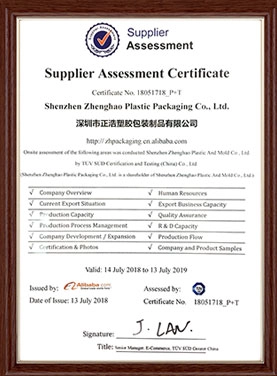
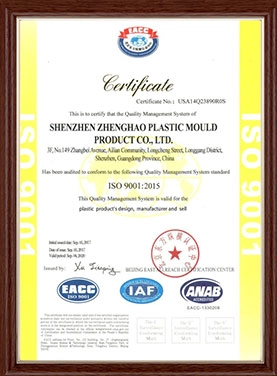
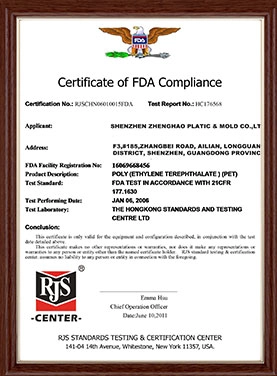
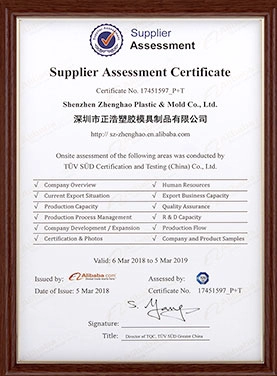

Tem No: zh-mb004 Capacity: 250ml 350ml 400ml 500ml 1000ml Material: PET Shape: round Used for: shampoo packaging Place of origin: Shenzhen, China MOQ: 5,000 pieces Unit price range: $0.3-0.6 Sample: available, free, client pay for sample shipping cost

Tem No: ZH-C70244 Capacity: 1L Material: 500ml 2L 4L Used for: detergent liquid bottle Place of origin: Shenzhen, China MOQ: 5,000 pieces Unit price range: $0.32-$0.48 Sample: available, free, client pay for sample shipping cost

Tem No: zh-p9309 Capacity: 2L Material: HDPE Shape: Round Used for: detergant liquid Place of origin: Shenzhen, China MOQ: 5,000 pieces Unit price range: $0.32-$0.48 Sample: available, free, client pay for sample shipping cost

Tem No: zh-c70231 Capacity: 1L Material: HDPE Shape: Round Used for: detergant liquid Place of origin: Shenzhen, China MOQ: 5,000 pieces Unit price range: $0.32-$0.48 Sample: available, free, client pay for sample shipping cost

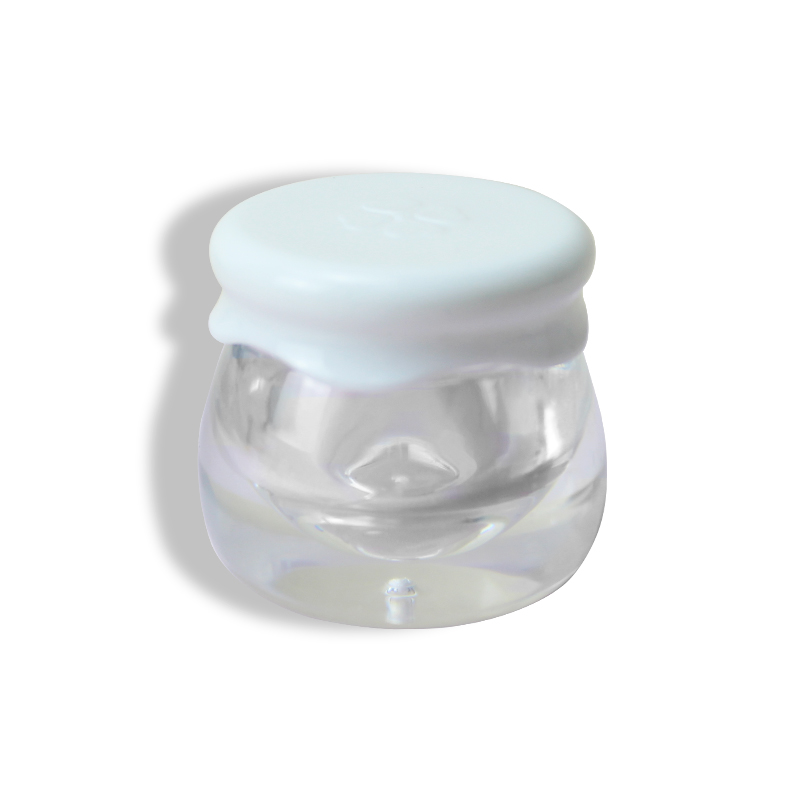
PP (Polypropylene) plastic containers are increasingly popular in the cosmetic and skincare industries, particularly for small-capacity products like creams, eye creams, and eyeliner gels.

plastic drink bottles factory, China cosmetic plastic bottles, disposable plastic bottle suppliers, plastic pet bottles manufactures, plastic bottles for lotion manufactures

customized color plastic bottle with pump 300ml 400ml 500ml round pet bottle for skincare plastic lotion bottle


HDPE Custom Eco PCR Recycled Plastic Bottle Body Tanning Oil 60ml Travel Size Squeeze Bottle Cosmetics


New female urine bottle. Equipped with a patented leak-proof cover to block urine leakage and avoid embarrassment. Currently, men's urine bottles are ...

These large empty pump bottles are ideal when you don’t want ugly or messy detergent bottles laying around. They are great for business use / work si...

Zhenghao Plastic & Mold Co.,Ltd had developed a new materia named HDPE sand blasting matieral, that is double layer bottle construction. The final bo...
The Challenge of Choosing Plastic Food Jars
For sourcing managers and packaging developers, plastic food jars aren’t just containers—they’re critical to product safety, shelf life, and supply chain efficiency. The wrong choice can lead to leaks, regulatory violations, or wasted logistics costs. This guide cuts through the noise to focus on what matters most: food-safe materials, reliable sealing, and capacity that aligns with commercial needs—all tailored for brands of food storage jars.
What Food-Grade Plastics Are Used for Plastic Food Jars?
Not all plastics are suitable for direct food contact, and B2B buyers must prioritize materials that meet global safety standards. The three most common options each come with key tradeoffs:
PET (Polyethylene Terephthalate): Ideal for dry goods (grains, snacks) and acidic products (jams, pickles). PET is transparent, lightweight, and shatterproof—plus it meets FDA 21 CFR Part 177.1310 standards for food contact. However, it has low heat resistance (max 120°F/49°C), so it’s not suitable for hot-filled products.
HDPE (High-Density Polyethylene): A workhorse for wet or oily foods (food powder) and bulk storage. HDPE offers excellent chemical resistance, is opaque (protecting light-sensitive ingredients), and complies with EU Regulation (EC) No 10/2011. Its downside? It’s less rigid than PET, so it may require thicker walls for stackability.
PP (Polypropylene): The go-to for hot-filled products (syrups, soups) thanks to its heat resistance (up to 212°F/100°C). PP is microwave-safe (with proper labeling) and recyclable (code 5). A common mistake buyers make: overlooking PP’s lower impact resistance—avoid it for heavy-duty shipping without protective packaging.
PLA (Polylactic Acid): A bio-based, compostable option gaining traction for hemp, CBD, and botanical products—categories with evolving "food" classifications. While PLA meets FDA 21 CFR 177.1520 and EU 10/2011 food-contact standards , its status for hemp/CBD hinges on regional regulations: the EU classifies non-psychoactive CBD as a "novel food" requiring authorization European Commission Directorate-General for Health and Food Safety, while the FDA prohibits CBD in conventional foods but allows it in certain dietary supplement contexts . PLA’s plant-based origin (derived from corn starch or sugarcane) aligns with the natural branding of many hemp/CBD products, and its compostability supports ESG goals. Key tradeoffs: pure PLA has poor oil resistance—critical for CBD oils—so look for modified or multi-layer PLA (with barrier coatings) to prevent leakage . It also degrades only in industrial composting (not home environments) and has low heat tolerance (max 110°F/43°C), making it unsuitable for pasteurized or hot-stored products. A common error: using unmodified PLA for oily CBD formulations, leading to container softening and product contamination.
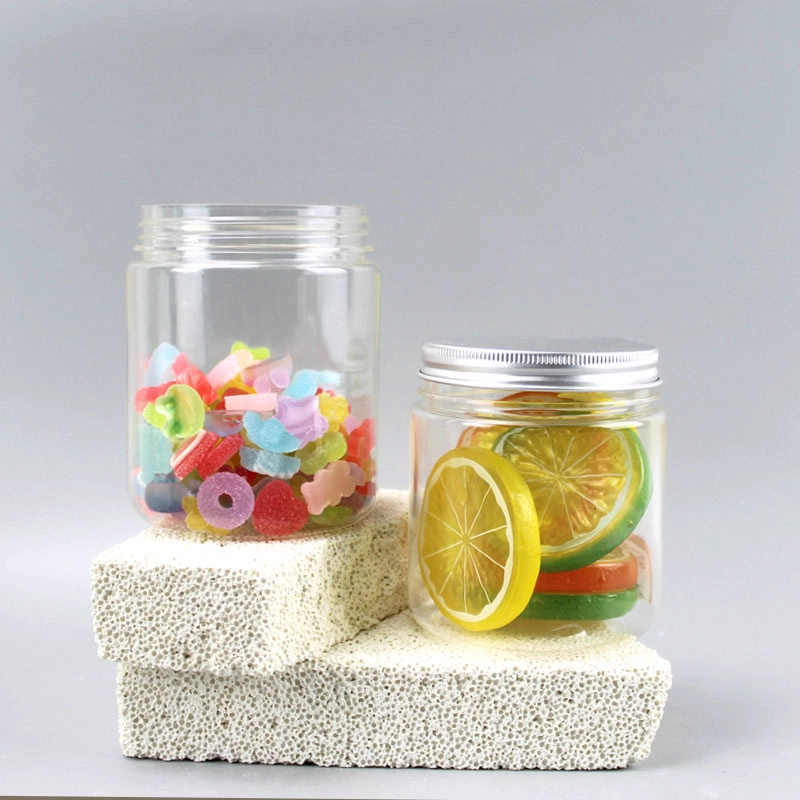
All four materials are recyclable (PLA via industrial composting), but HDPE and PP have higher commercial recycling rates (60-70%) than PET (30-40%) and PLA (limited to specialized facilities) —an important consideration for supply chain sustainability.
How to Achieve Leak-Proof Sealing for Plastic Food Jars
Sealing failure is the top complaint with plastic food jars, costing brands millions in product loss annually. The solution lies in two critical design elements:
Thread Design: Opt for continuous-thread (CT) closures over snap-on lids for commercial use. CT lids create a tighter seal, especially when paired with a minimum of 4-5 thread turns (fewer than 3 turns is a common manufacturing flaw).
Seal Liners: Choose liners based on your product type:
Foam liners (PE or EVA): Best for dry goods—affordable and effective against moisture.
Induction seals: Mandatory for liquid or perishable foods. They create an airtight barrier that’s tamper-evident, complying with ASTM F1140 leak-test standards.
Silicone gaskets: Ideal for high-temperature applications (e.g., hot-filled sauces) but require careful storage to avoid degradation from oils.
Pro tip: Request sealing test reports from manufacturers—look for results from 3-cycle leak tests (simulating shipping and handling) to ensureperformance in real-world conditions. For PLA jars holding CBD oils, specify liners compatible with bio-based plastics to avoid chemical reactions that compromise seal integrity.
Capacity Optimization for Commercial Food Storage Jars
The brands need plastic food jars that balance product volume, shelf space, and logistics efficiency. Here’s how to choose the right capacity:
Standard Commercial Sizes: 500ml (16oz), 1L (32oz), 2L (64oz), and 5L (1 gallon) are the most cost-effective, as they fit standard retail shelves and shipping pallets. A 2L jar, for example, maximizes pallet density (up to 144 units per pallet) without exceeding manual handling weight limits.
Custom Capacities: For niche products (e.g., restaurant-sized condiments or CBD tinctures), custom capacities (1.5L, 3L, or small 30ml-100ml for hemp buds) are possible but require higher MOQs (typically 10,000+ units) due to mold adjustments.
Overfill Allowance: Always factor in 5-10% extra capacity to avoid spillage during filling—this aligns with ISO 7000 labeling standards for accurate volume claims. For PLA food storage jars holding powdery hemp products, account for potential settling with 10% overfill to maintain perceived value.
Key Considerations When Choosing Plastic Food Jars
1.Verify food-contact certification (FDA 21 CFR Part 177 or EU 10/2011) for your target market.
2.Match material to product type (e.g., PP for hot-filled, HDPE for oily foods).
3.Prioritize induction seals for liquid/perishable products to meet tamper-evident requirements.
4.Confirm stackability (look for rim reinforcement) to reduce warehouse damage.
5.Evaluate recyclability (check resin identification codes) to align with corporate ESG goals.
6.Assess customization feasibility (labeling panels, color matching) for brand consistency.
Compliance & Regulatory Must-Knows for brands
Regulatory missteps can derail product launches. Focus on these non-negotiables:
EU Market: Compliance with Regulation (EC) No 10/2011 is mandatory, including migration testing for heavy metals and additives.
Global Markets: Look for ISO 9001 certification for manufacturing quality control—this reduces the risk of non-compliant batches.
U.S. Market: FDA 21 CFR Part 177 governs plastic food contact—ensure manufacturers provide a Letter of Compliance (LOC) for their materials.
A common pitfall: Assuming “food-grade” is universal. Materials approved in the U.S. may not meet EU standards, so always confirm regional compliance.
FAQ
1.Which plastic is best for acidic food storage jars?
PET or HDPE—both resist corrosion from acids (e.g., vinegar, citrus). Avoid PP for highly acidic products (pH <3) as it may degrade over time.
2.How can I test a manufacturer’s sealing claims?
Conduct a simple immersion test: Fill jars with water, seal tightly, and invert for 24 hours. For official validation, request ASTM F1140 test results (measures leak resistance under pressure).
3.Can plastic food jars be recycled in commercial waste streams?
Yes, if made from PET (code 1), HDPE (code 2), or PP (code 5). Work with manufacturers that use virgin resin (recycled resin may not meet food-contact standards).
4.How do I ensure custom plastic food jars meet my timeline?
Factor in 4-6 weeks for mold adjustments (for custom capacities/sizes) and request a pre-production sample to avoid rework delays.
5.What’s the most cost-effective capacity for bulk food storage?
500-2000ml jars—they minimize per-unit packaging costs and optimize shipping (fewer containers per pallet vs. smaller sizes).
 français
  Deutsche
  русский
  Español
  Italian
  português
  Nederlands
  Ελληνικά
  简体中文
简体中文  Polskie
  Czech
Czech