
Shenzhen Zhenghao Plastic & Mold Co.,Ltd

Tem No: zh-mb004 Capacity: 250ml 350ml 400ml 500ml 1000ml Material: PET Shape: round Used for: shampoo packaging Place of origin: Shenzhen, China MOQ: 5,000 pieces Unit price range: $0.3-0.6 Sample: available, free, client pay for sample shipping cost

Tem No: ZH-C70244 Capacity: 1L Material: 500ml 2L 4L Used for: detergent liquid bottle Place of origin: Shenzhen, China MOQ: 5,000 pieces Unit price range: $0.32-$0.48 Sample: available, free, client pay for sample shipping cost

Tem No: zh-p9309 Capacity: 2L Material: HDPE Shape: Round Used for: detergant liquid Place of origin: Shenzhen, China MOQ: 5,000 pieces Unit price range: $0.32-$0.48 Sample: available, free, client pay for sample shipping cost

Tem No: zh-c70231 Capacity: 1L Material: HDPE Shape: Round Used for: detergant liquid Place of origin: Shenzhen, China MOQ: 5,000 pieces Unit price range: $0.32-$0.48 Sample: available, free, client pay for sample shipping cost

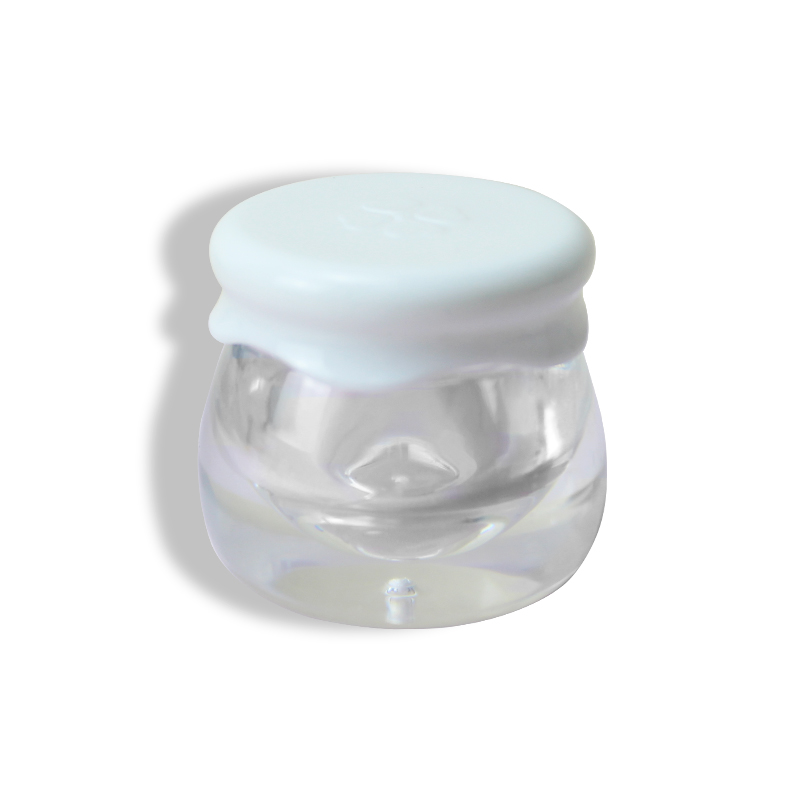
PP (Polypropylene) plastic containers are increasingly popular in the cosmetic and skincare industries, particularly for small-capacity products like creams, eye creams, and eyeliner gels.

plastic drink bottles factory, China cosmetic plastic bottles, disposable plastic bottle suppliers, plastic pet bottles manufactures, plastic bottles for lotion manufactures

customized color plastic bottle with pump 300ml 400ml 500ml round pet bottle for skincare plastic lotion bottle


HDPE Custom Eco PCR Recycled Plastic Bottle Body Tanning Oil 60ml Travel Size Squeeze Bottle Cosmetics


New female urine bottle. Equipped with a patented leak-proof cover to block urine leakage and avoid embarrassment. Currently, men's urine bottles are ...

These large empty pump bottles are ideal when you don’t want ugly or messy detergent bottles laying around. They are great for business use / work si...

Zhenghao Plastic & Mold Co.,Ltd had developed a new materia named HDPE sand blasting matieral, that is double layer bottle construction. The final bo...
Glass has long been the default for wine packaging, but today's brands are increasingly turning to custom plastic wine bottles to solve pain points like high shipping costs, breakage risks, weight-related carbon footprints,and ifferent from the common packaging material selection methods. However, moving beyond off-the-shelf options to custom designs comes with unique challenges: choosing the right resin that won't compromise wine quality, meeting food contact regulations, designing for manufacturability, and avoiding costly missteps with suppliers. This guide walks you through every critical step of the customization process, with actionable insights tailored to packaging developers, sourcing managers, and wine brand teams.
Step 1: Define Your Core Requirements Before Customization
Before reaching out to suppliers, clarify the non-negotiables that will shape every decision. Start with basic specs:
Capacity (the 750ml standard is common, but small-format 100ml or large-format 1L bottles may align with your product line).
Shape (from traditional wine silhouettes to modern flat or unique shape like heart), and closure type (aluminum screw caps, plastic tamper-evident caps, or swing tops).
Printing Logo: A unique brand logo is crucial for consumers to remember the brand. Through various printing methods, the brand's philosophy can be highlighted (such as screen printing, gold stamping, labeling, frosting, etc. Generally speaking, gold stamping and frosting have higher costs and better visual effects. Of course, the choice of printing method also depends on the structure and surface of the bottle).
Most importantly, align your design with your wine's shelf life and distribution model. A wine meant for immediate consumption at festivals or outdoor events will have very different needs than one intended for 12+ months of retail shelf life. This is also the time to map out compliance requirements for your target markets: U.S. buyers will need to meet FDA 21 CFR Part 177.1520 for food contact plastics, while EU brands must adhere to Regulation (EU) 10/2011. Skipping this step often leads to costly redesigns later.
Step 2: Choose the Right Plastic Resin (and Understand the Tradeoffs)
Not all plastics are created equal for wine packaging, and the wrong resin can ruin your product before it reaches the shelf. Here's how to navigate the most common options:
PET (Polyethylene Terephthalate): The workhorse of custom plastic wine bottles, clear PET offers excellent clarity, low cost, and full recyclability (SPI code 1). Its biggest limitation is oxygen transmission rate (OTR)—PET allows more oxygen to pass through than glass, which can accelerate wine oxidation. For wines with a shelf life under 6 months, standard PET works well. For longer shelf lives, opt for PET with oxygen scavenger additives or multi-layer structures to boost barrier performance.
HDPE (High-Density Polyethylene): Offers superior moisture and oxygen barrier properties but lacks the crystal clarity wine brands need for shelf appeal. Best suited for value-focused wines or private labels where transparency isn't a priority.Generally, there are fewer brands that use HDPE material.
PLA (Polylactic Acid): A bio-based, compostable option that appeals to eco-conscious brands, but its poor heat resistance and high cost make it impractical for most commercial wine applications.
PETG(Polyethylene Terephthalate Glycol-modified): It has an extremely high light transmittance, very similar to that of glass, but its impact resistance is much stronger than that of other plastics and it is an environmentally friendly material. The drawback is that the price is relatively high.
A common mistake buyers make is prioritizing cost over performance. A 5% lower price per bottle for standard PET can lead to 20% higher product spoilage due to oxidation, eroding margins far more than the initial savings.
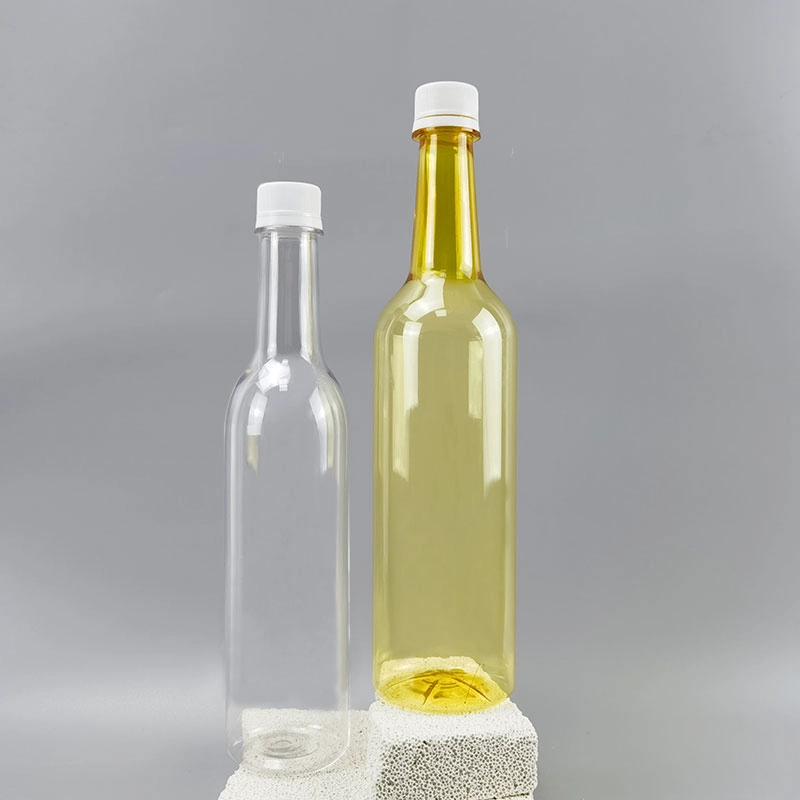
Step 3: Design & Engineering for Manufacturability (DFM)
Custom bottle designs that look great on paper often fail in production because they ignore blow molding constraints. To avoid delays and high mold costs, follow these DFM principles:
Wall Thickness Uniformity: Sharp corners, deep indentations, or overly complex silhouettes (like the flat bottle in your reference image) can cause uneven wall thickness during stretch blow molding, leading to weak spots that break during shipping. Work with your supplier to optimize the design for even material distribution.
Neck & Closure Compatibility: The neck finish must match your chosen closure's specifications (e.g., 28mm or 38mm screw caps). Custom neck designs require additional tooling and testing, so stick to standard finishes unless your brand identity demands a unique closure.
Branding & Decor: Embossed logos or text (like the vertical branding on the flat bottle) add a premium feel without extra cost, but avoid overcrowding the bottle with raised elements—they can create stress points. For labels, reserve a flat, smooth “label panel” area to ensure adhesion and readability.
Lightweighting: Reducing bottle weight cuts material and shipping costs, but don't go too far. Aim for a balance between lightness and structural integrity; many suppliers offer lightweight PET wine bottles that use 30% less material than standard designs while meeting ASTM D2463 drop test standards.
Step 4: Navigate Compliance & Testing
Food contact compliance isn't optional—it's a legal requirement for selling wine in most markets. When customizing your bottles, work with your supplier to complete these critical tests:
Food Contact Migration Testing: Ensures no harmful chemicals leach from the plastic into the wine. For the U.S., this means meeting FDA migration limits, while the EU requires compliance with Regulation 10/2011's overall migration limits (10 mg/dm²).
OTR & WVTR Testing: Measures oxygen and water vapor transmission rates to confirm the bottle will preserve your wine's quality over its intended shelf life.
Performance Testing: Includes drop tests (ASTM D2463), burst pressure tests, and top-load tests to ensure the bottles withstand shipping and storage conditions.
Many buyers assume “food-grade plastic” is enough, but custom molds and processing conditions can introduce contaminants. Always request third-party test reports from accredited labs (e.g., SGS, Intertek) before full production.
Step 5: Sourcing & Supplier Qualification
Choosing the right manufacturer is make-or-break for custom plastic wine bottles. Below is a practical checklist to vet potential partners:
Compliance Expertise: Verify experience with your target market’s regulations (FDA, EU 10/2011, etc.) and ask for past test reports.
Beverage Packaging Experience: Look for suppliers that understand wine-specific challenges like OTR optimization and label adhesion.
Mold Capabilities: Confirm they can produce custom molds for your design, including prototyping to test fit and performance.
Quality Control: Ask about their in-process inspection protocols and defect rates for similar projects.
Sustainability Options: If eco-friendliness is a priority, check if they offer PCR (post-consumer recycled) PET or recyclable designs.
Avoid the trap of selecting the lowest bidder. A supplier with higher upfront costs but better quality control will reduce your risk of product recalls, shipping damage, and compliance issues down the line.
FAQ
Q: Can custom plastic wine bottles be recycled?
A: Most custom PET wine bottles are fully recyclable (SPI code 1), provided they use clear resin and avoid additives that contaminate recycling streams. Many brands now use 25–100% PCR PET, which meets FDA guidelines for food contact and aligns with circular economy goals. Note that colored or multi-layer bottles may require specialized recycling processes.
Q: How do custom plastic wine bottles compare to glass in terms of shelf life?
A: Standard PET bottles have a higher OTR than glass, so they are best suited for wines with a shelf life of 6–12 months. For longer shelf lives, opt for PET with oxygen scavengers or multi-layer structures, which can match glass-like barrier performance at a fraction of the weight.
Q: What's the typical lead time for custom plastic wine bottles?
A: Lead times vary by design complexity:
Minor tweaks to existing molds: 4–6 weeks (including prototyping and testing)
Fully custom molds: 8–12 weeks (including mold fabrication, sampling, and compliance testing)
Always build in 2–3 weeks of buffer time to account for delays or design revisions.
Custom plastic wine bottles offer a flexible, cost-effective alternative to glass, but success depends on aligning your design with performance, compliance, and manufacturing realities. By defining your requirements early, choosing the right resin, designing for manufacturability, vetting suppliers carefully, and prioritizing compliance, you can create a custom bottle that protects your wine and strengthens your brand—without costly surprises.
 français
  Deutsche
  русский
  Español
  Italian
  português
  Nederlands
  Ελληνικά
  简体中文
简体中文  Polskie
  Czech
Czech