At Zhenghao, a custom plastic bottle manufacturer with over a decade of experience, we often explain to clients that there is no ''one-size-fits-all'' sauce bottle. The ideal thickness depends heavily on the condiment inside—its viscosity, acidity, dispensing method, and usage scenario.
In this article, we'll break down how to choose the right plastic sauce bottle thickness for different condiments like ketchup, honey, hot sauce, soy sauce, and BBQ sauce, using real manufacturing insights and practical examples.
Why Bottle Thickness Matters More Than You Think ?
1.Dispensing performance – How easily the sauce flows out
2.Structural integrity – Resistance to squeezing, dropping, and deformation
3.User experience & branding – How ''premium'' or ''cheap'' the product feels
For squeeze bottles for sauces, thickness must strike a balance: flexible enough to dispense smoothly, but strong enough to retain shape and protect the contents.
Ketchup & Tomato-Based Sauces: Controlled Flexibility
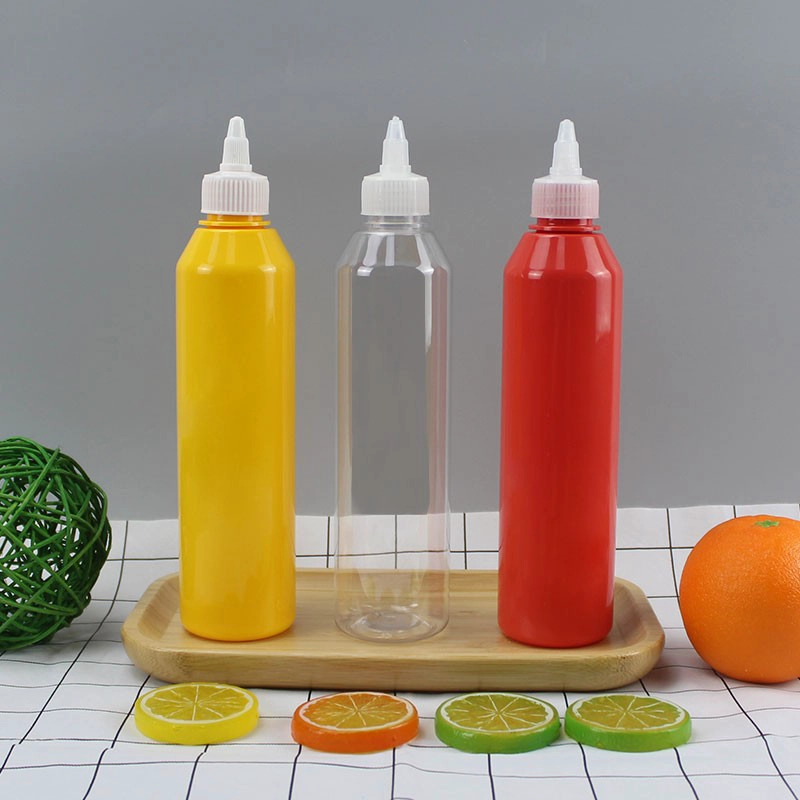
Ketchup and bottles for tomato sauce typically require medium wall thickness. These sauces are moderately viscous and usually dispensed by squeezing.
If the plastic is too thin, the bottle collapses and fails to rebound properly. Too thick, and consumers struggle to squeeze out the sauce—especially near the end of the bottle.
A North American private-label ketchup brand once approached us after complaints about ''uneven squeezing.'' We adjusted the bottle thickness from 0.6 mm to 0.75 mm while optimizing the shoulder design. The result was smoother dispensing and a 20% drop in customer complaints within one quarter.
This thickness range also works well for bbq sauce bottles, which share similar viscosity but often require slightly stronger sidewalls due to heavier use in outdoor or foodservice environments.
Honey & Alfredo Sauce: Thick Sauce, Thicker Walls
Honey and creamy sauces—think of the best bottled Alfredo sauce—present unique challenges. These products are highly viscous and slow-flowing, meaning consumers apply more squeezing force.
For these sauces, bottles must be:
1.Thicker and more durable
2.Designed with consistent wall thickness to prevent stress points
3.Often paired with wide or valve-style caps
Using plastic that's too thin can lead to permanent deformation or cracking over time, especially in warm environments where honey becomes more fluid but still heavy.
At Zhenghao, we often recommend reinforced squeeze zones—areas engineered to flex repeatedly without weakening the overall bottle structure.
Hot Sauce: Precision Over Pressure
Hot sauce is one of the most diverse categories in terms of packaging.
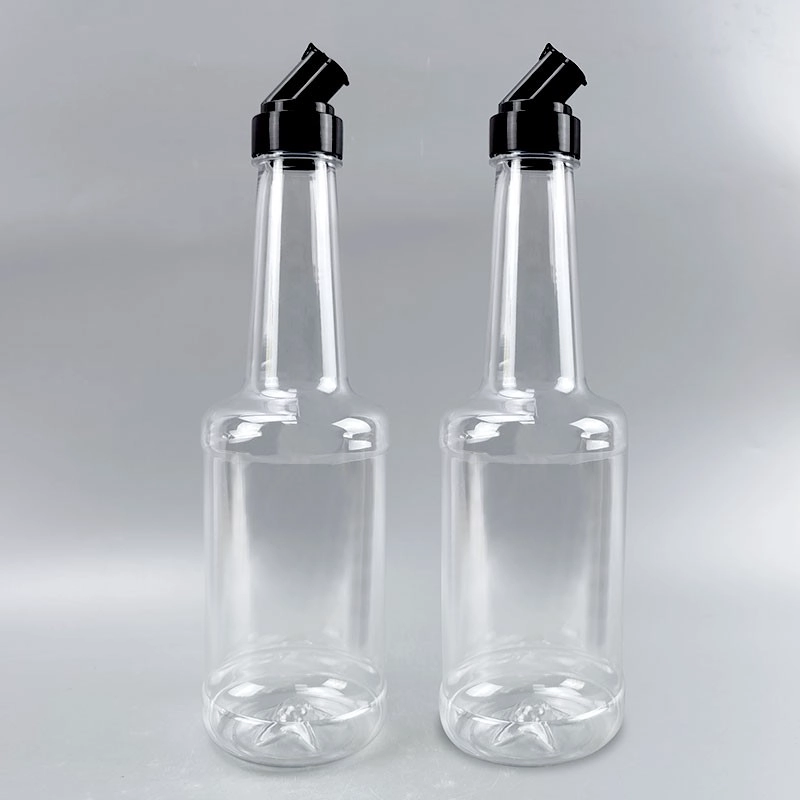
A standard bottle of hot sauce usually contains a low-viscosity liquid that pours rather than squeezes. This means the bottle doesn't need to be as flexible—but it does need to be chemically stable and shape-retentive, since hot sauces are often acidic.
For classic hot sauce bottle designs:
1.Thinner walls work well for pour-style glass-like plastic bottles
2.Thickness focuses more on rigidity than squeeze strength
However, trends like mini hot sauce bottles, miniature hot sauce bottles, and travel-size packaging introduce new requirements. These small-format bottles are frequently carried, shipped in bulk, or used as promotional items, so they often require slightly thicker walls relative to their size to prevent leakage and cracking.
We've produced thousands of mini hot sauce bottles for restaurant chains offering sampler packs. By increasing wall thickness by just 0.1 mm, we significantly reduced leakage during transport without increasing material costs noticeably.
Soy Sauce Bottles: Thin, Stable, and Controlled
Soy sauce bottle designs prioritize controlled pouring rather than squeezing. Because soy sauce is thin and salty (which can be corrosive over time), the bottle must be:
1.Chemically resistant
2.Structurally stable
3.Not overly flexible
In this category, thinner walls are acceptable—but consistency is critical. Uneven thickness can cause warping, especially in taller bottles.
For export markets, Zhenghao often customizes soy sauce bottles with enhanced neck and base thickness to improve stacking stability during long-distance shipping.
How Zhenghao Helps Brands Get It Right ?
As a custom plastic bottle manufacturer, Zhenghao doesn't just ''make bottles'' We:
Analyze sauce viscosity and acidity
Recommend thickness ranges based on dispensing behavior
Prototype and test real-use scenarios
Balance material cost with performance
Whether it's a ketchup bottle, a BBQ sauce bottle, or a custom hot sauce bottle design, our goal is to ensure the packaging enhances—not hinders—the product inside.
Final Thoughts
The right plastic sauce bottle thickness can dramatically improve user experience, reduce complaints, and protect your brand image. From honey to hot sauce, each condiment has unique demands—and understanding those differences is the first step toward better packaging decisions.
If you're developing or upgrading your sauce packaging, learning from real manufacturing experience can save time, cost, and frustration. At Zhenghao, we've seen how small changes in thickness can make a big difference—and we're always happy to share that knowledge.


 français
  Deutsche
  русский
  Español
  Italian
  português
  Nederlands
  Ελληνικά
  简体中文
简体中文  Polskie
  Czech
Czech