
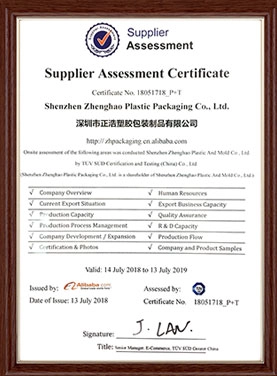
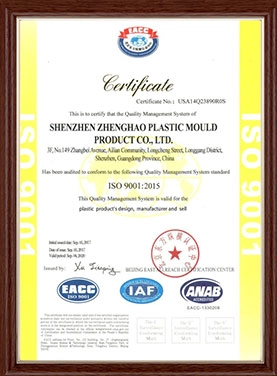
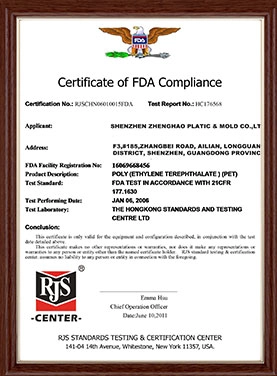
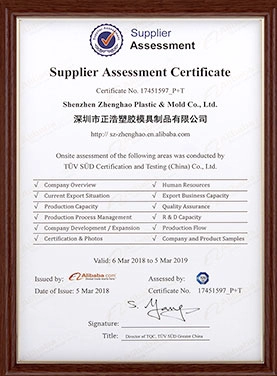
Shenzhen Zhenghao Plastic & Mold Co.,Ltd

Tem No: zh-mb004 Capacity: 250ml 350ml 400ml 500ml 1000ml Material: PET Shape: round Used for: shampoo packaging Place of origin: Shenzhen, China MOQ: 5,000 pieces Unit price range: $0.3-0.6 Sample: available, free, client pay for sample shipping cost

Tem No: ZH-C70244 Capacity: 1L Material: 500ml 2L 4L Used for: detergent liquid bottle Place of origin: Shenzhen, China MOQ: 5,000 pieces Unit price range: $0.32-$0.48 Sample: available, free, client pay for sample shipping cost

Tem No: zh-p9309 Capacity: 2L Material: HDPE Shape: Round Used for: detergant liquid Place of origin: Shenzhen, China MOQ: 5,000 pieces Unit price range: $0.32-$0.48 Sample: available, free, client pay for sample shipping cost

Tem No: zh-c70231 Capacity: 1L Material: HDPE Shape: Round Used for: detergant liquid Place of origin: Shenzhen, China MOQ: 5,000 pieces Unit price range: $0.32-$0.48 Sample: available, free, client pay for sample shipping cost

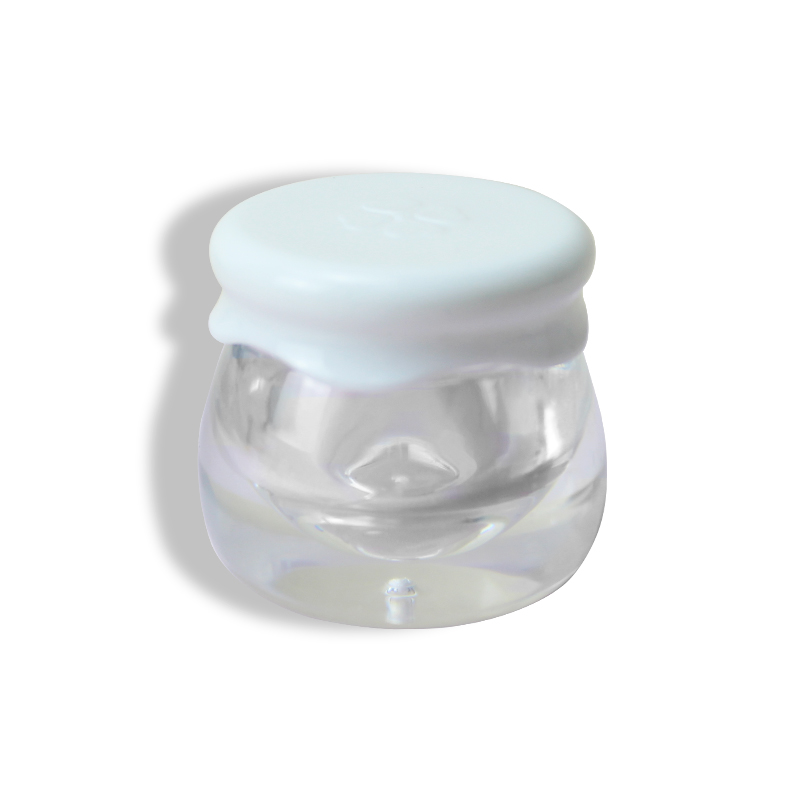
PP (Polypropylene) plastic containers are increasingly popular in the cosmetic and skincare industries, particularly for small-capacity products like creams, eye creams, and eyeliner gels.

plastic drink bottles factory, China cosmetic plastic bottles, disposable plastic bottle suppliers, plastic pet bottles manufactures, plastic bottles for lotion manufactures

customized color plastic bottle with pump 300ml 400ml 500ml round pet bottle for skincare plastic lotion bottle


HDPE Custom Eco PCR Recycled Plastic Bottle Body Tanning Oil 60ml Travel Size Squeeze Bottle Cosmetics


New female urine bottle. Equipped with a patented leak-proof cover to block urine leakage and avoid embarrassment. Currently, men's urine bottles are ...

These large empty pump bottles are ideal when you don’t want ugly or messy detergent bottles laying around. They are great for business use / work si...

Zhenghao Plastic & Mold Co.,Ltd had developed a new materia named HDPE sand blasting matieral, that is double layer bottle construction. The final bo...
When consumers pick up a bottle of shampoo, they are usually thinking about fragrance, benefits, or brand reputation. But behind every great product is a carefully chosen package. The material of a shampoo bottle affects not only how it looks and feels, but also how sustainable, durable, and practical it is. At Zhenghao, as a professional packaging factory, we often help brands navigate this decision. In this article, we'll walk you through the three most common shampoo bottle materials—PET, HDPE, and PCR—in a clear, human way.
PET: The Go-To Choice for Clarity and Premium Feel
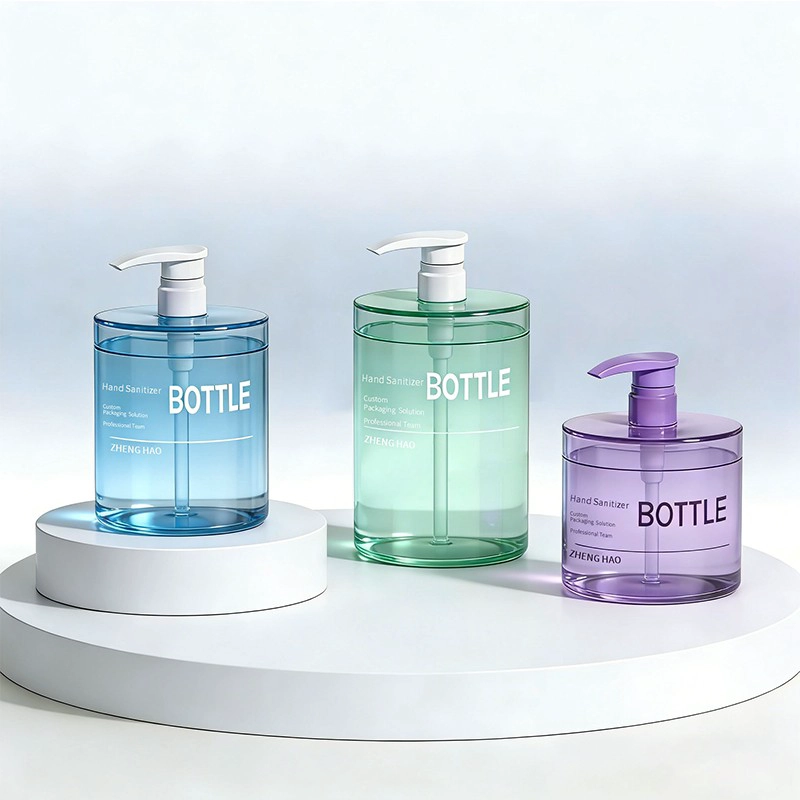
pet shampoo bottle is easy to recognize. It's usually clear or highly glossy, showing off the color and texture of the formula inside. PET (Polyethylene Terephthalate) is widely used in personal care packaging because it balances appearance, strength, and cost.
Many shampoo pet bottles are designed for brands that want to highlight ingredients like botanical extracts or pearly formulas. PET works especially well for sleek, modern designs, including the popular round shampoo bottle, which feels comfortable in hand and looks elegant on shelves.
Why brands choose PET:
1.High transparency and shine
2.Lightweight but strong
3.Ideal for premium or cosmetic-style products
PET is commonly used for medium-sized bottles, but it also works well for travel size shampoo and conditioner bottles, where clarity and visual appeal matter. However, PET is slightly less flexible than HDPE, so it's better suited for bottles that are poured rather than heavily squeezed.
HDPE: Durable, Practical, and Reliable
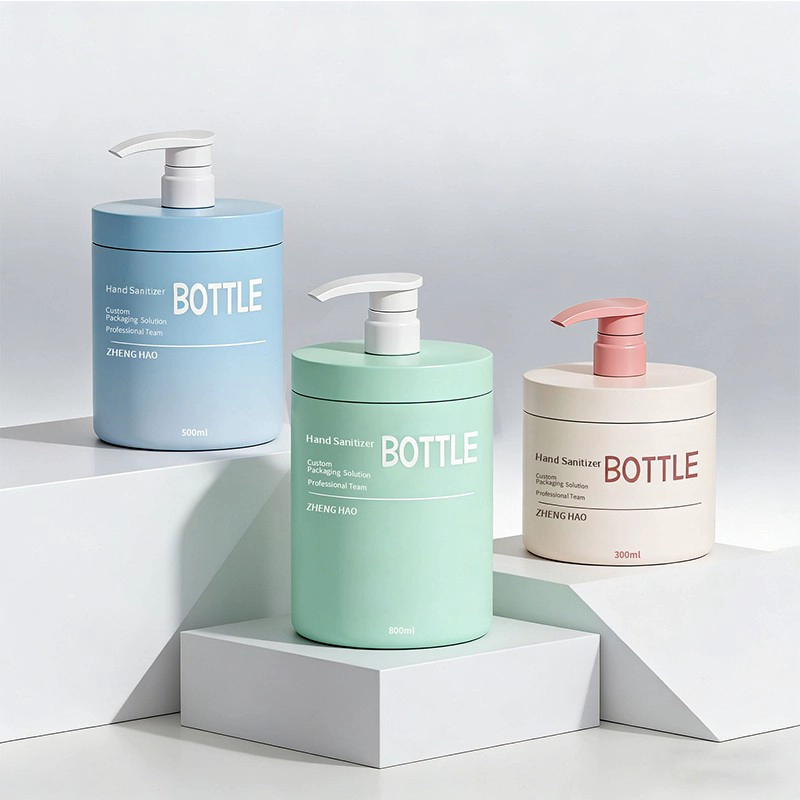
If PET is the ''beauty expert'' HDPE is the ''workhorse'' An hdpe shampoo bottle is known for its toughness, flexibility, and chemical resistance. HDPE (High-Density Polyethylene) bottles are often opaque or semi-opaque, giving them a more solid and practical appearance.
This material is a favorite for large bottles of shampoo, such as family-size or salon-use packaging. HDPE bottles are easy to squeeze, making them convenient for everyday use, especially in wet environments like showers.
HDPE also performs exceptionally well when producing black shampoo bottles or other dark colors. The material holds pigment well and provides excellent light-blocking properties, which can help protect sensitive formulas.
Why brands choose HDPE:
1.Strong and impact-resistant
2.Excellent squeeze recovery
3.Cost-effective for mass production
For brands focusing on functionality and value, HDPE remains a classic and dependable choice.
PCR: Sustainability with a Story
PCR stands for Post-Consumer Recycled material, and it represents a growing shift toward sustainability in packaging. PCR can be made from recycled PET or HDPE, meaning the bottle has already had a previous life before being transformed into new packaging.
Using PCR doesn't change the basic shape or function of the bottle, but it does add environmental value. Many custom shampoo bottles today are designed with PCR content to help brands reduce their carbon footprint and appeal to eco-conscious consumers.
At Zhenghao, we often see PCR used for:
Eco-friendly shampoo lines
Boutique or clean-beauty brands
Mini bottles of shampoo and conditioner for hotels or travel kits
PCR bottles may have slight color variations or a more matte texture, which many brands actually embrace as part of their sustainability story.
Why brands choose PCR:
1.Reduces plastic waste
2.Supports circular economy goals
3.Strengthens brand sustainability messaging
Size, Shape, and Customization Matter
Material choice is only part of the equation. Bottle size and design also play a major role in consumer experience.
Large bottles of shampoo often prioritize durability and ease of use, making HDPE or HDPE-based PCR ideal.
Mini bottles of shampoo and conditioner and travel size shampoo and conditioner bottles need to be lightweight, leak-resistant, and visually appealing—PET and PCR-PET are popular options.
A round shampoo bottle offers ergonomic comfort and works well across all three materials.
With custom shampoo bottles, brands can combine material, color, finish, and shape to create packaging that truly reflects their identity.
How Zhenghao Helps Brands Choose the Right Material
As a packaging manufacturer, Zhenghao works closely with brands at every stage—from concept to mass production. We don't believe there is a single ''best''material. The right choice depends on your formula, target market, sustainability goals, and budget.
Whether you are launching a luxury PET line, a practical HDPE family-size product, or an eco-conscious PCR collection, we focus on making bottles that are functional, attractive, and reliable.
Conclusion
PET, HDPE, and PCR each bring unique advantages to shampoo packaging. Understanding these differences helps brands make smarter decisions and helps products stand out in a competitive market. At the end of the day, the best shampoo bottle is one that fits your product, your brand story, and your customers' expectations.
And that's exactly what we aim to deliver at Zhenghao.
 français
  Deutsche
  русский
  Español
  Italian
  português
  Nederlands
  Ελληνικά
  简体中文
简体中文  Polskie
  Czech
Czech