The 2026 FIFA World Cup, jointly hosted by the United States, Canada, and Mexico, is more than a global sports event—it is a massive consumption engine. With an estimated 650 million viewers worldwide and weeks of continuous viewing parties, outdoor screenings, and carnival-style gatherings, beverage consumption patterns are expected to surge once again.
What's different this time is the strong shift toward non-alcoholic drinks. Market forecasts indicate that during major sporting events, non-alcoholic beverage consumption can grow by over 60%, driven by younger audiences, family viewing scenarios, and health-conscious consumers. For juice brands, this creates a rare growth window—and custom unique plastic packaging plays a critical role in seizing it.
Why Juice Bottles Matter More During the World Cup?
During World Cup seasons, beverages are consumed in high-frequency, high-mobility scenarios:
1.Fan zones and street carnivals.
2.Home viewing parties.
3.Stadium peripheries and pop-up events.
4.Convenience retail and takeaway channels.
In these environments, plastic juice bottles outperform glass or cartons due to their light weight,cost,durability, and portability. A well-designed orange juice bottle or apple juice bottle isn't just a container—it's a functional tool that supports logistics, safety, branding, and user experience under intense consumption pressure.
The Rise of Bottled Juice in Event Scenarios.
Unlike everyday retail, event-driven demand favors ready-to-drink formats:
Single-serve and mid-size bottles (such as 8oz ,16 oz juice bottles).
Strong sealing to prevent leaks during transport and crowd movement.
For example, apple juice in bottles is especially popular in family-oriented viewing settings, where safety and convenience outweigh premium packaging aesthetics. This is where safe plastic drinking bottles made from food-grade materials become essential.
At Zhenghao, we've seen brands increasingly request reinforced neck finishes, anti-leak caps, and thicker base designs ahead of major sports seasons to handle rapid distribution and high turnover.
Food-Grade Materials: The Foundation of Trust.
From a scientific and regulatory perspective, the most common materials for juice packaging include:
PET (Polyethylene Terephthalate) – clear, lightweight, recyclable, ideal for cold juices.
PP (Polypropylene) – higher heat resistance, often used for caps or specific bottle designs.
For World Cup-related supply chains—where bottles may be stored in temporary warehouses, transported across borders, or exposed to varying temperatures—material stability is critical.Especially during the hot summer in South America, if your juice bottle is thin in thickness and remains exposed to high temperatures for a long time, it is very likely to cause the bottle to deform or become soft.
In previous international event cycles, we've helped juice brands switch from generic disposable plastic drink bottles to upgraded PET bottles with improved oxygen barrier properties. This helped extend shelf life without changing the formula—an important advantage when production ramps up quickly before a global event.
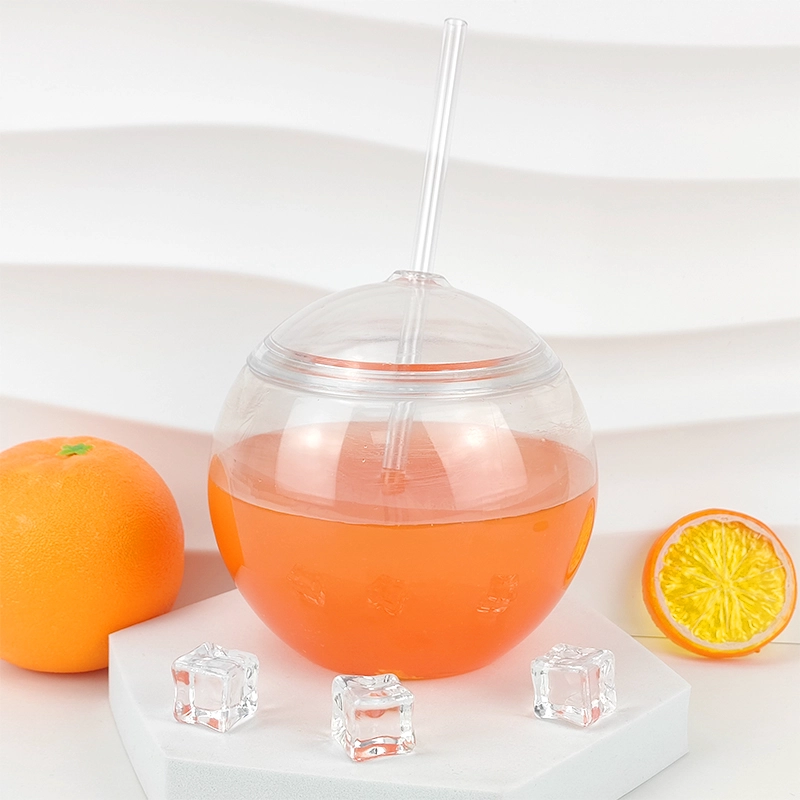
Leak-Proof Design for High-Mobility Consumption?
Imagine thousands of fans moving between screens, food stalls, and public transport. In these settings, leakage is not just an inconvenience—it's a brand risk.
That's why World Cup-oriented juice packaging emphasizes:
1.Precision-molded threads
2.Tamper-evident closures
3.Consistent wall thickness to prevent deformation
Even empty juice bottles distributed to event partners or filled on-site must maintain structural integrity. A collapsed or leaking bottle directly impacts consumer perception, regardless of how good the juice tastes.
Customization: Turning Bottles into Marketing Assets.
The World Cup is a branding battlefield. Beverage brands compete not only on taste, but on visual recognition and emotional connection.
only on taste, but on visual recognition and emotional connection.
Custom plastic bottles for drinks allow brands to:
1.Reserve space for World Cup-themed labels
2.Adjust bottle shapes for better shelf and hand feel
3.Differentiate juice products from energy drinks or sodas
Interestingly, some brands draw inspiration from the energy drink plastic bottle category—using dynamic silhouettes and bold proportions—to make juice feel more ''event-ready'' and exciting.
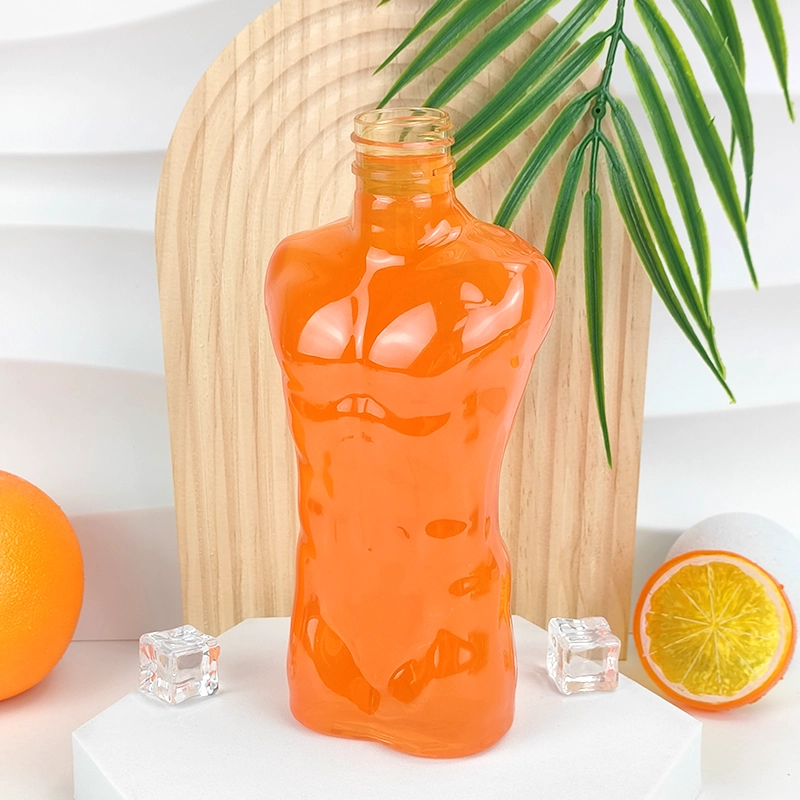
Based on our years of customization experience, we recommend that brand clients customize unique plastic juice bottles. For instance, one of our American clients developed a body-shaped juice bottle with the help of our design, and their juice beverages achieved an astonishing sales growth in North America. All of this is because the uniqueness of the appearance has brought brand premium.
Timing Matters: Why Procurement Must Start Early.
One of the most overlooked aspects of World Cup packaging is time.
Custom bottle development includes:
1.Design confirmation
2.Material selection
3.Logo printing
4.Function customization
After these basic contents were finalized, the mold design, sample testing and mass production began.
If the bottle has a unique shape, it usually requires multiple sample tests, which incurs a considerable amount of transportation time. At the same time, due to the peak season and the sudden surge in demand for the activities, the factory's production capacity will reach its limit in March and April. Brands that have not made advance planning may face delays and be forced to use ordinary-shaped plastic bottles from existing molds, unable to achieve the goals of enhancing brand effect or increasing sales through special shape design.
Therefore, planning a customized juice bottle solution in advance will offer greater flexibility and allow sufficient time to address any unexpected situations.
Beyond The World Cup: Long-Term Value.
While the 2026 World Cup is a short-term catalyst, the shift toward bottled juices and non-alcoholic beverages is long-term. Investing in the right plastic juice bottle design now allows brands to reuse and adapt packaging for future sports seasons, festivals, and retail growth.
From orange juice bottles to apple juice bottles, from 16 oz juice bottles to larger family sizes, thoughtful customization turns packaging into a scalable asset—not a one-off cost.
The World Cup is about passion, speed, and shared moments—and juice consumption fits naturally into that rhythm. For brands, success during this period depends not only on product quality, but on packaging that performs under pressure.
As a custom plastic bottle manufacturer, Zhenghao focuses on solving real-world challenges: safety, sealing, scalability, and branding flexibility. By combining material science with event-driven insights, we help juice brands prepare not just for the World Cup—but for the growth that follows.
If you have the idea of enhancing your brand's influence and boosting product sales during the World Cup, please contact us. We will help you achieve this goal based on our years of experience in customizing juice bottle packaging solutions.


 français
  Deutsche
  русский
  Español
  Italian
  português
  Nederlands
  Ελληνικά
  简体中文
简体中文  Polskie
  Czech
Czech