
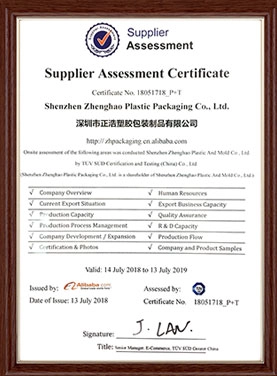
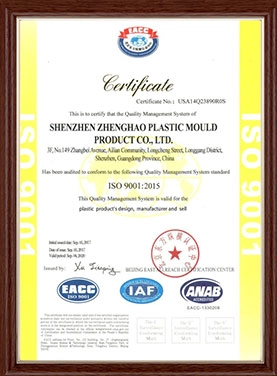
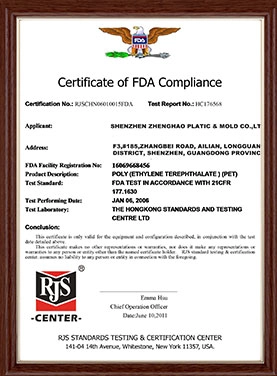
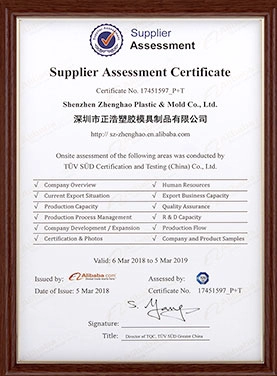
Shenzhen Zhenghao Plastic & Mold Co.,Ltd

Tem No: zh-mb004 Capacity: 250ml 350ml 400ml 500ml 1000ml Material: PET Shape: round Used for: shampoo packaging Place of origin: Shenzhen, China MOQ: 5,000 pieces Unit price range: $0.3-0.6 Sample: available, free, client pay for sample shipping cost

Tem No: ZH-C70244 Capacity: 1L Material: 500ml 2L 4L Used for: detergent liquid bottle Place of origin: Shenzhen, China MOQ: 5,000 pieces Unit price range: $0.32-$0.48 Sample: available, free, client pay for sample shipping cost

Tem No: zh-p9309 Capacity: 2L Material: HDPE Shape: Round Used for: detergant liquid Place of origin: Shenzhen, China MOQ: 5,000 pieces Unit price range: $0.32-$0.48 Sample: available, free, client pay for sample shipping cost

Tem No: zh-c70231 Capacity: 1L Material: HDPE Shape: Round Used for: detergant liquid Place of origin: Shenzhen, China MOQ: 5,000 pieces Unit price range: $0.32-$0.48 Sample: available, free, client pay for sample shipping cost

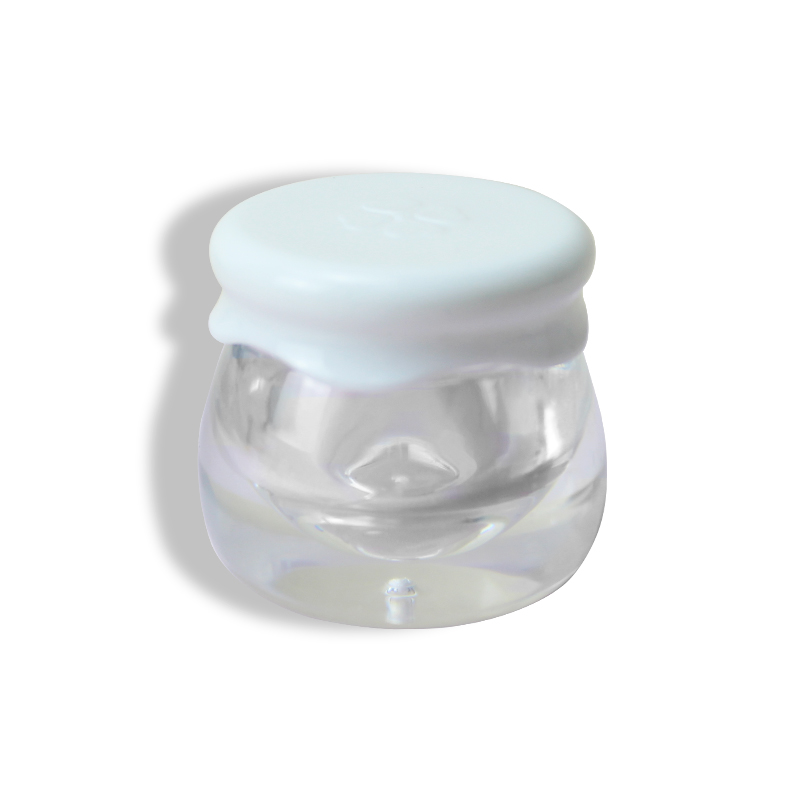
PP (Polypropylene) plastic containers are increasingly popular in the cosmetic and skincare industries, particularly for small-capacity products like creams, eye creams, and eyeliner gels.

plastic drink bottles factory, China cosmetic plastic bottles, disposable plastic bottle suppliers, plastic pet bottles manufactures, plastic bottles for lotion manufactures

customized color plastic bottle with pump 300ml 400ml 500ml round pet bottle for skincare plastic lotion bottle


HDPE Custom Eco PCR Recycled Plastic Bottle Body Tanning Oil 60ml Travel Size Squeeze Bottle Cosmetics


New female urine bottle. Equipped with a patented leak-proof cover to block urine leakage and avoid embarrassment. Currently, men's urine bottles are ...

These large empty pump bottles are ideal when you don’t want ugly or messy detergent bottles laying around. They are great for business use / work si...

Zhenghao Plastic & Mold Co.,Ltd had developed a new materia named HDPE sand blasting matieral, that is double layer bottle construction. The final bo...
We've all been there: leaving a reusable drink bottle in the car on a hot summer day, then filling it with ice water, or grabbing a 12 oz drink bottle from the fridge and immediately pouring in boiling tea. These everyday temperature shifts seem harmless, but they're quietly testing the safety of your bottle's materials. Unlike disposable plastic drink bottles designed for single use, reusable options need to withstand constant thermal stress—yet few people realize how much this affects their safety. Let's break down the science behind temperature and plastic safety, and why choosing the right safe plastic drinking bottles matters more than you think
The Hidden Dangers of High Temperatures
Heat is the biggest enemy of plastic safety, especially for low-quality materials. Most disposable plastic drink bottles are made from PET plastic, which melts at around 250°C but starts releasing harmful substances at just 70°C . Leave a PET bottle in a parked car on a sunny day, and internal temperatures can hit 60-80°C—enough to break down the plastic's molecular structure. This isn't just about deformation; high heat forces chemicals like antimony (a toxic metal catalyst) and phthalates (hormone-disrupting plasticizers) to leach into your drink . For example, a bottle of energy drink stored in direct sunlight might taste fine, but it could contain trace amounts of these contaminants that build up in your body over time.
Not all plastics react the same way. Safe plastic drinking bottles made from PP (polypropylene) or Tritan can handle temperatures up to 120°C and 108°C respectively , making them better for hot beverages. But even these materials have limits. Repeated exposure to boiling water or microwave heating can weaken their structure, creating tiny cracks where bacteria thrive and microplastics . This is why energy drink bottles and reusable options need specialized material selection—something often overlooked in generic products.
Why Cold Temperatures Aren't Harmless Either?
Freezing or extreme cold poses its own risks. When plastic is exposed to sub-zero temperatures, it becomes brittle. A 64 oz drink bottle left in the freezer overnight might not crack immediately, but the cold weakens its molecular bonds. The next time you fill it with room-temperature liquid, the sudden expansion can create micro-fissures. These invisible cracks don't just compromise the bottle's leak-proof design—they also increase the release of microplastics . Studies show that freeze-thaw cycles accelerate plastic fragmentation, with tiny particles entering your drink without you noticing .
For personalized drinking bottles used in outdoor activities or cold climates, this is a critical issue. A bottle that works perfectly in moderate temperatures might fail silently in winter, putting users at risk of unintended chemical exposure. Unlike disposable plastic drink bottles that are discarded after one use, reusable options face multiple temperature cycles, amplifying these risks over time.
The Cumulative Risk of Temperature Cycles
The real danger lies in repeated temperature swings—not just single extreme events. Imagine taking your reusable drink bottle from the fridge (4°C) to your gym bag (35°C) to a hot yoga class (40°C) in one day. This constant heating and cooling stresses the plastic far more than steady temperatures. Each cycle weakens the material, making it more prone to leaching BPA or other toxins . Even BPA-free drink bottles aren't immune—if the base material isn't designed for thermal resilience, other harmful additives can still escape.
This is where cheap reusable bottles fall short. Many cut corners by using low-grade plastics that meet basic standards but fail under real-world temperature stress. In contrast, high-quality safe plastic drinking bottles like Voss drink bottle prioritize thermal stability, using materials like Tritan or food-grade PP that retain their structure across temperature changes
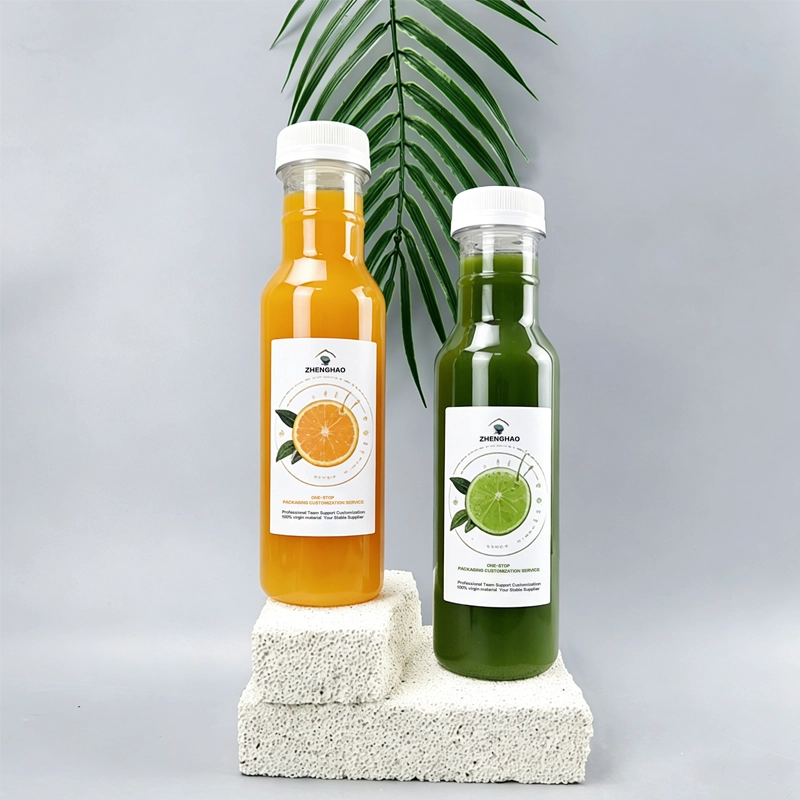
Our Factory's Custom Solutions for Temperature Safety
As a manufacturer specializing in custom plastic bottles—from energy drink bottles to pharmaceutical containers—we build temperature resilience into every design. Here's how we address the risks we've discussed:
First, we only use BPA-free, food-grade materials tested to withstand real-world temperature ranges. For clients needing 64 oz drink bottles for outdoor use or 12 oz drink bottles for daily commutes, we recommend PP or Tritan based on their specific temperature needs. Our energy drink bottles, for example, are engineered to resist the heat of storage and the cold of refrigeration without compromising safety.
Second, we prioritize structural design that minimizes thermal stress. Unlike rigid disposable plastic drink bottles, our reusable options feature reinforced walls and flexible seals that adapt to temperature changes, reducing crack formation. We also offer personalized drinking bottles that combine custom colors, logos, and sizes with the same safety standards—proving you don't have to sacrifice style for peace of mind.
Finally, we adhere to global safety standards (including GB 4806.7-2024) and test every batch for leaching under extreme temperature cycles. Whether you need bottles for cosmetics, chemicals, or safe plastic drinking bottles for beverages, our custom process ensures your product meets the unique thermal demands of its use case.
In a world where reusable products are essential for sustainability, safety shouldn't be an afterthought. Temperature swings are inevitable, but the right material choices and design can protect users from hidden risks. Our factory’s commitment to thermal resilience, safe materials, and custom flexibility means you get products that perform reliably—no matter the temperature.

 français
  Deutsche
  русский
  Español
  Italian
  português
  Nederlands
  Ελληνικά
  简体中文
简体中文  Polskie
  Czech
Czech