
Shenzhen Zhenghao Plastic & Mold Co.,Ltd
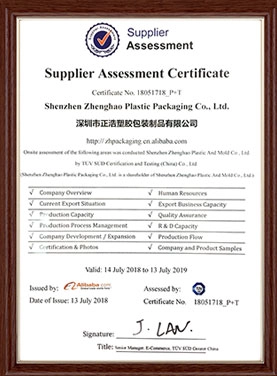
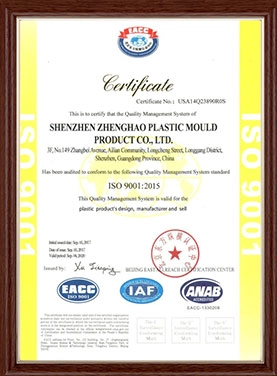
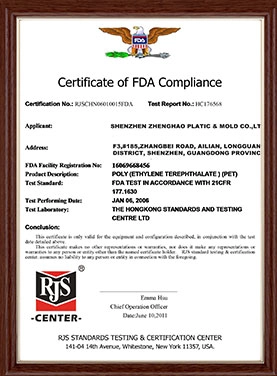
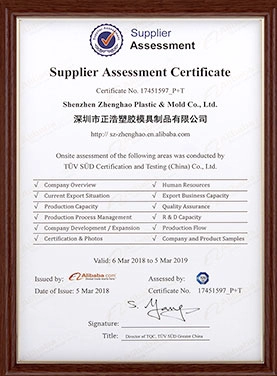

Tem No: zh-mb004 Capacity: 250ml 350ml 400ml 500ml 1000ml Material: PET Shape: round Used for: shampoo packaging Place of origin: Shenzhen, China MOQ: 5,000 pieces Unit price range: $0.3-0.6 Sample: available, free, client pay for sample shipping cost

Tem No: ZH-C70244 Capacity: 1L Material: 500ml 2L 4L Used for: detergent liquid bottle Place of origin: Shenzhen, China MOQ: 5,000 pieces Unit price range: $0.32-$0.48 Sample: available, free, client pay for sample shipping cost

Tem No: zh-p9309 Capacity: 2L Material: HDPE Shape: Round Used for: detergant liquid Place of origin: Shenzhen, China MOQ: 5,000 pieces Unit price range: $0.32-$0.48 Sample: available, free, client pay for sample shipping cost

Tem No: zh-c70231 Capacity: 1L Material: HDPE Shape: Round Used for: detergant liquid Place of origin: Shenzhen, China MOQ: 5,000 pieces Unit price range: $0.32-$0.48 Sample: available, free, client pay for sample shipping cost

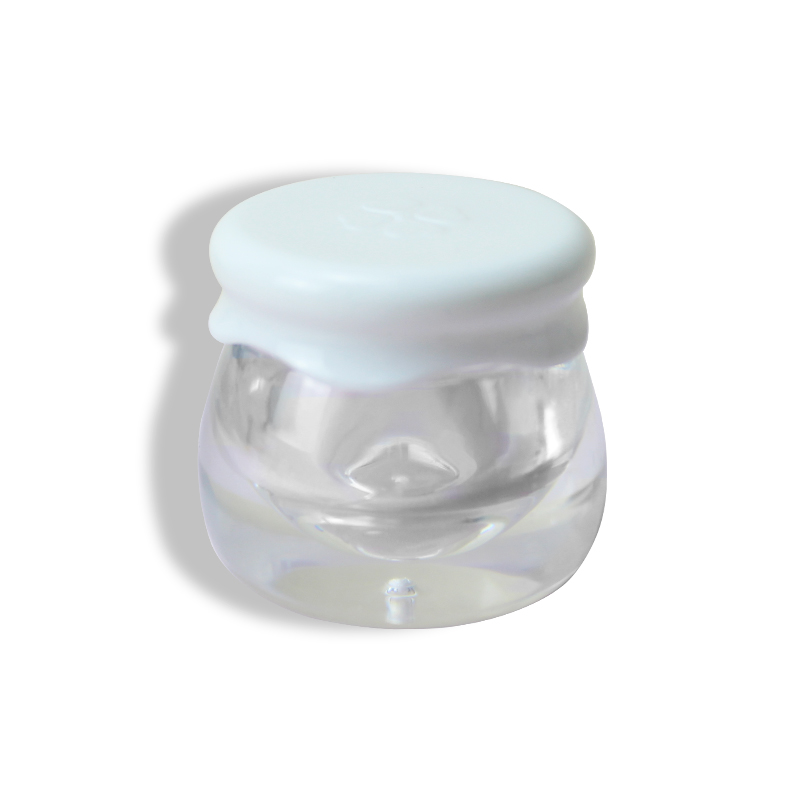
PP (Polypropylene) plastic containers are increasingly popular in the cosmetic and skincare industries, particularly for small-capacity products like creams, eye creams, and eyeliner gels.

plastic drink bottles factory, China cosmetic plastic bottles, disposable plastic bottle suppliers, plastic pet bottles manufactures, plastic bottles for lotion manufactures

customized color plastic bottle with pump 300ml 400ml 500ml round pet bottle for skincare plastic lotion bottle


HDPE Custom Eco PCR Recycled Plastic Bottle Body Tanning Oil 60ml Travel Size Squeeze Bottle Cosmetics


New female urine bottle. Equipped with a patented leak-proof cover to block urine leakage and avoid embarrassment. Currently, men's urine bottles are ...

These large empty pump bottles are ideal when you don’t want ugly or messy detergent bottles laying around. They are great for business use / work si...

Zhenghao Plastic & Mold Co.,Ltd had developed a new materia named HDPE sand blasting matieral, that is double layer bottle construction. The final bo...
Walk down any grocery store aisle, and you'll see hundreds of food packaging bottles—from sleek juice containers to sturdy sauce jars, and even industrial-sized chemical canisters. At first glance, they might all look similar, but there's a world of difference in how they're designed, made, and used. This blog breaks down the key factors that set food packaging bottles apart, why those differences matter for brands and consumers alike, and how custom food packaging solutions can turn a simple container into a brand asset. We'll focus on the low-difficulty, high-search-volume questions people actually ask about food bottles, with real examples from our factory floor.
1. Material Matters: The Foundation of Food Bottle Differences
The most obvious (and critical) difference between food packaging bottles lies in their material. Each material is chosen for specific properties—like barrier strength, durability, or cost—that match the food inside. Here are the most common options:
PET plastic food bottles
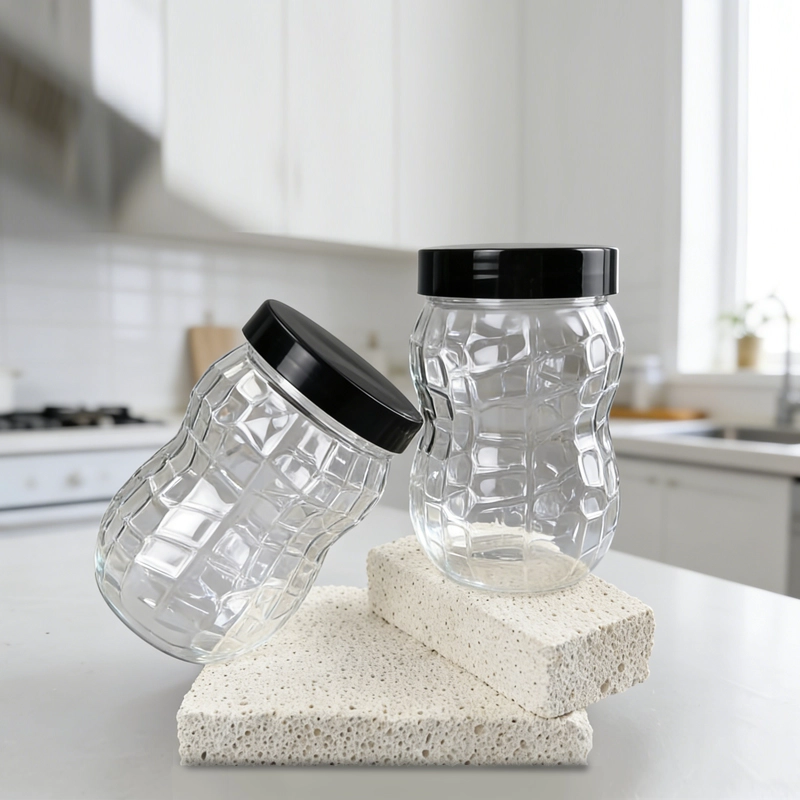
PET (Polyethylene Terephthalate) is the clear, lightweight plastic you see in water bottles, fruit juice bottles , peanut butter jar and salad dressing containers. What makes it special? It's shatterproof, recyclable , and has excellent clarity—so customers can see the product inside. We recently worked with a cold-pressed juice brand that switched from glass to PET for their 500ml bottles. The result? 30% lower shipping costs (thanks to lighter weight) and zero breakage during transit, while keeping their juice fresh for 14 days longer than glass.
HDPE food packaging bottles
HDPE (High-Density Polyethylene) is the opaque, rigid plastic used for milk bottle, and pill storage bottles. It's thicker than PET, resistant to chemicals, and won't leach flavors into food. For a local milk brand, we customized HDPE jars with a wide mouth and tamper-evident lid—perfect for spreading milk easily while keeping it airtight. The brand saw a 20% increase in repeat purchases because customers loved the practical design.
PP plastic food containers
PP (Polypropylene) is a heat-resistant plastic ideal for microwave-safe food jars ,sauce bottle,yogurt cups. It can handle temperatures up to 165°F (74°C), making it great for hot-fill products like soup or ready meals. We once helped a meal-prep company design custom PP containers with compartmentalized sections—allowing them to package full meals in one leak-proof bottle. The containers were reusable, which aligned with the brand’s sustainability goals and boosted their eco-friendly reputation.
Glass food bottles
Glass is timeless for premium products like olive oil, balsamic vinegar, or artisanal sauces. It's non-porous (so no flavor transfer), infinitely recyclable, and gives a high-end look. However, glass is heavy and breakable—so it's often paired with plastic caps or shrink sleeves for protection. A craft hot sauce brand we worked with chose glass bottles with custom embossing to stand out on shelves. The unique design made their product instantly recognizable, even among 20+ other hot sauce brands.
2. Design & Function: How Shape, Size, and Features Differ
Once the material is chosen, design takes center stage. A food bottle's shape, size, and features are never random—they're engineered to solve specific problems, like easy pouring, portion control, or shelf appeal. Here's what makes design a game-changer:
Bottle shape and size
Think about the difference between a narrow-neck juice bottle and a wide-mouth peanut butter jar . The narrow neck prevents spills when pouring liquid, while the wide mouth makes it easy to scoop thick spreads. For a baby food brand, we designed small 4oz plastic jars with a screw-on lid that doubles as a spoon holder—parents loved the convenience, and the brand's sales jumped 25% in six months.
Closure systems
The lid (or closure) is often the most underrated part of a food bottle. Different closures serve different purposes:
1.Tamper-evident seals : Critical for food safety—these seals break when first opened, reassuring customers the product is untouched. We added tamper-evident caps to a organic honey brand's jars, which helped them comply with FDA regulations and build trust with buyers.
2.Squeeze lids : Perfect for thick sauces or condiments like ketchup or mayonnaise. A salad dressing brand switched to our custom squeeze bottles with a flip-top cap, reducing waste by 15% because customers could get every last drop out.
3.Child-resistant caps : Required for chemical or cleaning products, but also useful for spicy sauces or high-sugar syrups. We designed child-resistant lids for a hot sauce company targeting families—they became the only brand in their category with this feature, setting them apart from competitors.
Barrier properties
Many food bottles need extra layers to protect against oxygen, light, or moisture—called barrier packaging . For example:
Juice bottles often have a thin layer of aluminum to block light and keep vitamin C from degrading. We helped a cold-pressed juice brand add a UV protection layer to their PET bottles, extending shelf life from 7 to 14 days.
Chemical bottles need thick HDPE walls to prevent leaks or corrosion. A cleaning product manufacturer switched to our multi-layer HDPE bottles, which reduced chemical evaporation by 40% and made storage safer.
3. Food Type: Why One Bottle Doesn't Fit All
The food inside a bottle dictates almost every design choice—there's no one-size-fits-all plastic container for food. An acidic tomato sauce needs a different plastic structure than thick honey or powdery spice mix, and each requires specific properties to keep the product fresh, safe, and easy to use. Here's how food type shapes plastic food bottle design, with a focus on the plastic packaging solutions we specialize in:
Liquid foods: juice, oil, and sauces
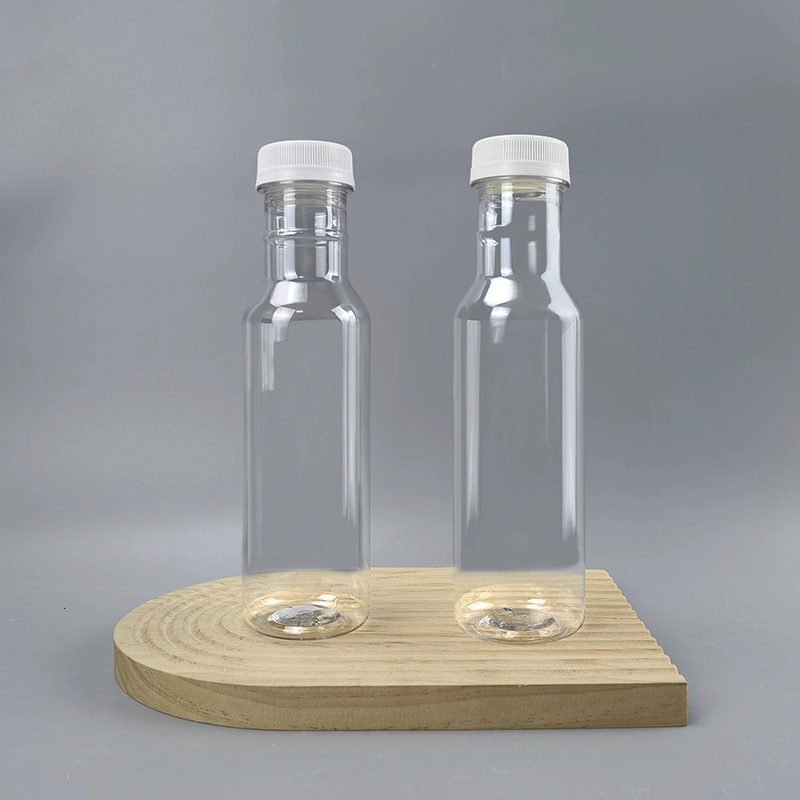
Liquids demand leak-proof plastic bottles with strong barrier properties to prevent spills and preserve flavor. Transparency is key for products like fruit juice, so we often use PET plastic food bottles—a lightweight, shatterproof material that lets customers see the product inside while blocking UV light to slow spoilage . For oily products like cooking oil or salad dressing, HDPE plastic food jars are ideal: their thick, opaque structure resists oil absorption and won't leach chemicals into the food, meeting FDA food contact safety standards . Both materials are recyclable, aligning with eco-conscious consumer demands for recyclable plastic food packaging .
Semi-solid foods: peanut butter, honey, and spreads
Thick, sticky foods like peanut butter or honey need wide-mouth plastic jars to make scooping easy. We prioritize HDPE plastic containers here—they're rigid enough to hold their shape, have a non-stick interior that prevents residue buildup, and feature ribbed exteriors for better grip. The lids are designed with airtight seals to lock in moisture: honey stays runny, peanut butter doesn't dry out, and spreads maintain their creamy texture for longer. These details might seem small, but they directly impact how customers interact with your product.
Dry foods: spices, snacks, and powdered mixes
Dry foods like spices, granola, or protein powder rely on airtight plastic food jars to keep moisture out. We use PP plastic food containers for these products—they're heat-resistant, durable, and offer superior sealing compared to other plastics . For spices, we often design small, stackable plastic spice jars with shaker tops or flip lids for controlled dispensing. For larger items like snack mixes or protein powder, large plastic food canisters with wide openings and attached measuring scoops make storage and use convenient. All our dry food containers are BPA-free plastic food bottles —a top priority for brands focused on food safety .
4. Branding & Customization: The Hidden Difference-Maker
In a crowded grocery store, generic plastic bottles get lost on shelves. Custom plastic food containers turn a simple package into a brand asset, solving practical problems while standing out from competitors. The right customization isn't just about adding a logo—it's about designing a plastic bottle that fits your product's unique needs and resonates with your audience.
A Deep Dive into Our Work with “Sunny Harvest Organics”
A few years ago, a small-batch organic juice brand came to us with a common problem: their generic PET bottles were blending in with bigger brands, and their cold-pressed juice was spoiling within 7 days—too short for retail distribution. They needed a plastic bottle that would extend shelf life, reflect their eco-friendly values, and make their product recognizable.
First, we focused on material: we recommended recycled PET plastic food bottles to align with their sustainability mission. Recycled PET has the same barrier properties as virgin PET but uses 70% less energy to produce , which the brand highlighted on their packaging to attract green consumers. Next, we addressed shelf life: we added a thin, food-safe barrier layer to the bottle interior to block oxygen and UV light, extending the juice’s freshness from 7 to 21 days—long enough to reach nationwide retailers.
Design-wise, we moved beyond the standard cylindrical shape. We created a curved, ergonomic bottle that fit comfortably in hands and stood out on shelves, with the brand’s logo embossed directly into the plastic (no cheap stickers that peeled off). We also added a drip-free plastic bottle spout to solve a common customer complaint: messy pours. Finally, we optimized the lid with a tamper-evident seal to build trust—critical for food products.
The results spoke for themselves: within 8 months, Sunny Harvest's retail presence grew from 12 local stores to over 150 nationwide. Their customer surveys showed 82% of buyers noticed the unique bottle design first, and 75% said the longer shelf life made them more likely to repurchase. The brand's sustainability claims, backed by the recycled PET bottle, helped them stand out in a market flooded with“greenwashing” tactics.
How Customization Adds Real Value for Brands ?
Brand recognition: Unique shapes, embossed logos, or custom colors make your plastic bottle instantly recognizable—even from across the store.
Functional benefits: Features like drip-free spouts, airtight lids, or portion-control designs solve customer pain points, turning casual buyers into loyal fans.
Safety and compliance: Our custom plastic bottles meet all FDA and EU food contact regulations , including BPA-free standards, so you can expand to new markets with confidence.
Sustainability appeal: We offer compostable plastic food packaging (KD: 14) and recycled-material options that let you back up eco-friendly claims with real action, not just marketing.
5. Factory Customization: Turning Plastic Bottles Into Brand Assets
At our factory-Zhenghao, we specialize in turning standard plastic bottles into tailored solutions for food brands. Our process is simple, collaborative, and focused on your product's unique needs:
Step 1: Understand Your Product and Audience
We start by asking key questions: What food will the bottle hold? How will customers use it? What values does your brand stand for? For a baby food brand, this means prioritizing easy-open lids and portion-sized small plastic food jars . For a premium olive oil brand, it means focusing on UV protection and a sleek design that feels luxurious.
Step 2: Choose the Right Plastic Material
We help you select the best plastic for your product—whether it's PET for clarity, HDPE for durability, or PP for heat resistance . We also guide you on sustainable options, like recycled materials or compostable plastics, to align with consumer demands.
Step 3: Add Purposeful Custom Features
Customization shouldn't be just for show. We add features that make your plastic bottle more useful: think flip-top plastic bottle lids for sauces, built-in measuring scoops for powdered mixes, or textured grips for slippery products. Every detail is designed to enhance the customer experience.
Step 4: Test and Refine
We test every custom plastic bottle for leak resistance, durability, and user-friendliness. For Sunny Harvest, this meant testing 12 different lid designs to find the perfect balance of airtight seal and easy opening. We also conduct shelf-life tests to ensure your food stays fresh as long as possible.
Final Thoughts: What Makes Food Packaging Bottles Truly Different?
At the end of the day, food packaging bottles are different because they're designed for purpose—and the best ones are designed for your purpose. A plastic bottle for juice shouldn't be the same as one for honey, and a bottle for your brand shouldn't look like every other on the shelf.
Custom plastic food packaging lets you turn a basic container into a tool for growth: it preserves your product, solves customer problems, and tells your brand's story—all at the same time. Whether you need large plastic food canisters for bulk snacks, small 4oz plastic jars for baby food, or anything in between, we'll help you create a bottle that's as unique as your product.
The difference between a generic plastic bottle and a custom one? It's not just the design—it's the way it connects with your customers, builds trust, and helps your brand stand out in a crowded market.
 français
  Deutsche
  русский
  Español
  Italian
  português
  Nederlands
  Ελληνικά
  简体中文
简体中文  Polskie
  Czech
Czech