
Shenzhen Zhenghao Plastic & Mold Co.,Ltd
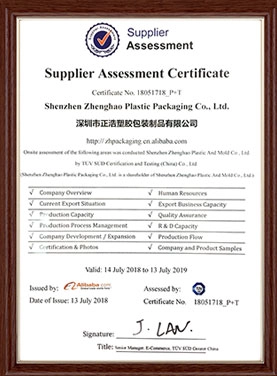
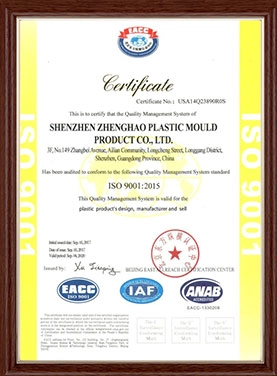
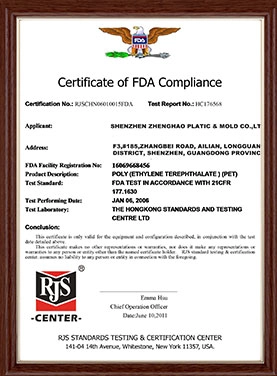
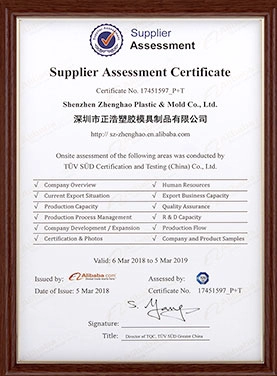

Tem No: zh-mb004 Capacity: 250ml 350ml 400ml 500ml 1000ml Material: PET Shape: round Used for: shampoo packaging Place of origin: Shenzhen, China MOQ: 5,000 pieces Unit price range: $0.3-0.6 Sample: available, free, client pay for sample shipping cost

Tem No: ZH-C70244 Capacity: 1L Material: 500ml 2L 4L Used for: detergent liquid bottle Place of origin: Shenzhen, China MOQ: 5,000 pieces Unit price range: $0.32-$0.48 Sample: available, free, client pay for sample shipping cost

Tem No: zh-p9309 Capacity: 2L Material: HDPE Shape: Round Used for: detergant liquid Place of origin: Shenzhen, China MOQ: 5,000 pieces Unit price range: $0.32-$0.48 Sample: available, free, client pay for sample shipping cost

Tem No: zh-c70231 Capacity: 1L Material: HDPE Shape: Round Used for: detergant liquid Place of origin: Shenzhen, China MOQ: 5,000 pieces Unit price range: $0.32-$0.48 Sample: available, free, client pay for sample shipping cost

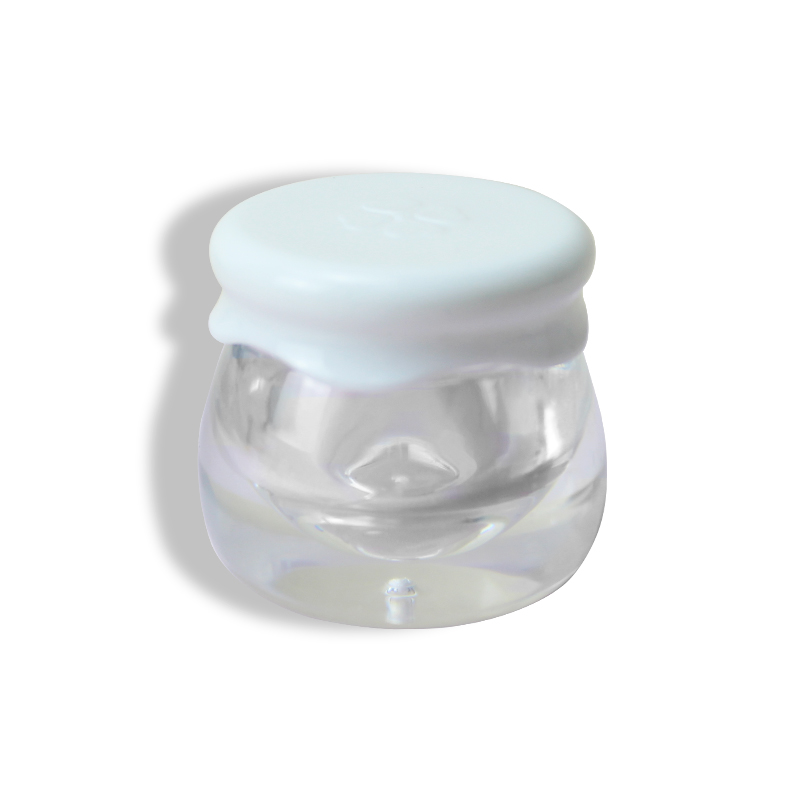
PP (Polypropylene) plastic containers are increasingly popular in the cosmetic and skincare industries, particularly for small-capacity products like creams, eye creams, and eyeliner gels.

plastic drink bottles factory, China cosmetic plastic bottles, disposable plastic bottle suppliers, plastic pet bottles manufactures, plastic bottles for lotion manufactures

customized color plastic bottle with pump 300ml 400ml 500ml round pet bottle for skincare plastic lotion bottle


HDPE Custom Eco PCR Recycled Plastic Bottle Body Tanning Oil 60ml Travel Size Squeeze Bottle Cosmetics


New female urine bottle. Equipped with a patented leak-proof cover to block urine leakage and avoid embarrassment. Currently, men's urine bottles are ...

These large empty pump bottles are ideal when you don’t want ugly or messy detergent bottles laying around. They are great for business use / work si...

Zhenghao Plastic & Mold Co.,Ltd had developed a new materia named HDPE sand blasting matieral, that is double layer bottle construction. The final bo...
Let's start with a scenario we all know too well: You finish that 16 oz plastic BBQ sauce bottle from the grocery store, or toss the tiny miniature hot sauce bottle that came with your takeout. You glance at the label—"recyclable" or "biodegradable"—and feel a little better about tossing it. But here's the hard question: Do those labels actually mean anything for the planet? And for brands making plastic hot sauce bottles, soy sauce bottles, or pizza sauce squeeze bottles—Is investing in these eco-friendly options really worth the higher cost?
Let's cut through the greenwashing and get to the truth. Recyclable and biodegradable plastic sauce bottles aren't "one-size-fits-all" eco-saviors. Their value depends on how they're made, how they're used, and where they end up—and for sauce brands, that means aligning the packaging with your product, your customers, and real-world waste systems.
What is recyclable and biodegradable ?
Recyclable plastic sauce bottles: These are made from materials that can be collected, processed, and turned into new products—think PET (the clear plastic used in many soy sauce bottles) or HDPE (the sturdier plastic in plastic bbq sauce bottles). But here's the catch: "Can be recycled" doesn't mean "will be recycled."
Biodegradable plastic sauce bottles: These are designed to break down into natural substances (like water, carbon dioxide, and biomass) when exposed to specific conditions (microbes, heat, moisture). The problem? Most people assume "biodegradable" means "breaks down in a landfill"—but that's rarely true.
Now, let's dig into the real issues with each option—starting with recyclable bottles, since they’re more common for sauces like hot sauce, BBQ sauce, and pizza sauce.
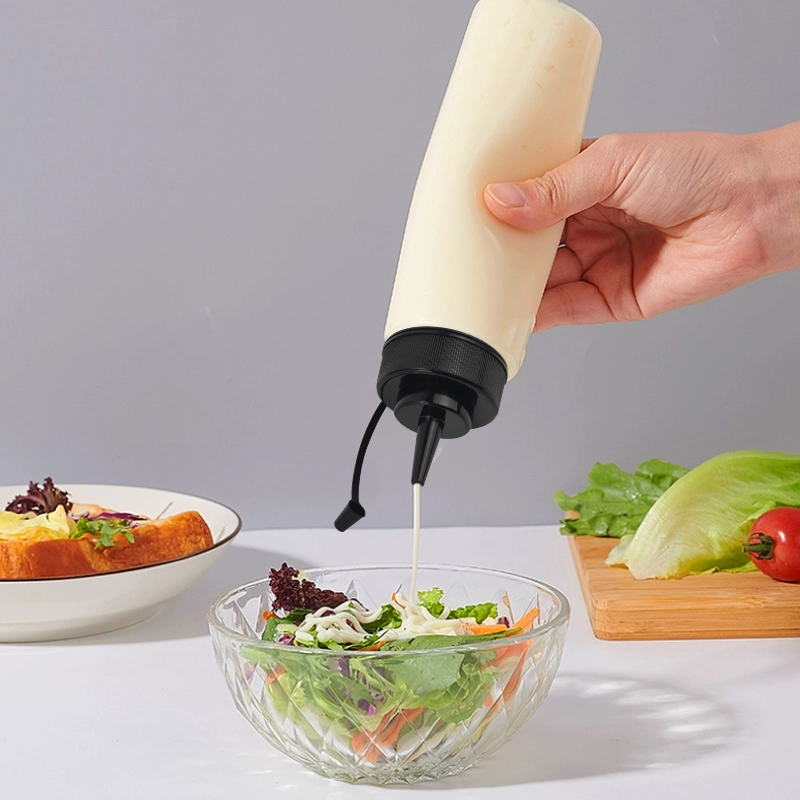
Recyclable Plastic Sauce Bottles: The "Almost Eco" Option(But Why It Fails in Practice)
Recyclable plastic sounds great in theory, but the reality of sauce bottles makes them one of the hardest plastics to recycle. Let's break down the three big pain points—all tied to how we use and discard sauce bottles:
1. Sauce Residue = Contamination
Think about a plastic hot sauce bottle or a pizza sauce squeeze bottle. Even if you rinse it, there's usually a sticky, oily residue left inside. Recyclers sort plastic by material, but contaminated plastic (with food residue) ruins entire batches of recycled material. Most recycling facilities will toss a sauce bottle with leftover sauce—no matter how "recyclable" the label says it is.
This is a bigger problem for small bottles, like mini hot sauce bottles or 5 ounce hot sauce bottles. People are less likely to rinse a tiny takeout bottle before tossing it, so these end up in landfills anyway. Even larger 16 oz plastic bbq sauce bottles often get contaminated because BBQ sauce is thick and hard to fully rinse out.
2. Mixed Materials = Unrecyclable
Many sauce bottles use mixed plastics: a PET bottle body with a PP (polypropylene) cap, or a squeeze bottle with a plastic nozzle and metal seal. Recycling facilities can't separate these materials efficiently, so the entire bottle gets rejected.
Many sauce bottles use mixed plastics: a PET bottle body with a PP (polypropylene) cap, or a squeeze bottle with a plastic nozzle and metal seal. Recycling facilities can't separate these materials efficiently, so the entire bottle gets rejected.
For example, a chipotle sauce bottle might have a recyclable PET body, but the plastic nozzle and foil seal make it impossible to recycle. Brands think they're being eco-friendly by using recyclable plastic for the main body, but the mixed materials render the whole package useless for recycling.
3. The Broken Recycling System
Even if a sauce bottle is clean and made of a single recyclable material, only a small percentage actually get recycled. In the U.S., for example, less than 30% of PET plastic is recycled—and that number drops even lower for HDPE plastic used in sturdier sauce bottles. Why? Because recycling is expensive, and there's often no market for recycled plastic. If there's no demand for recycled PET or HDPE, facilities won't process it—they’ll just send it to landfills.
So, are recyclable plastic sauce bottles worth the investment? For brands, they're cheaper than biodegradable options, but they only deliver on their eco promise if:
1) The bottle is made of a single recyclable material (no mixed parts),.
2) The design makes it easy to rinse (wide mouths, no hard-to-reach crevices).
3) You educate customers to rinse and recycle properly. If you skip any of these steps, you're just greenwashing.
Biodegradable Plastic Sauce Bottles: The "Too Good to Be True" Option
Biodegradable plastic sounds like the holy grail—plastic that breaks down into nothing, right? But the reality is far more complicated, and for sauce bottles, they're often a worse choice than recyclable plastic. Here's why:
Most biodegradable plastics (like PLA, or polylactic acid) require industrial composting facilities to break down. These facilities operate at high temperatures (131°F/55°C or higher) with constant moisture and specific microbes. The problem? Less than 1% of households in the U.S. have access to industrial composting. For everyone else, a biodegradable sauce bottle ends up in a landfill—and landfills are designed to be dry and airtight. In those conditions, biodegradable plastic won't break down—it will sit there for hundreds of years, just like regular plastic.
Worse, some biodegradable plastics release methane as they break down in landfills. Methane is 28 times more potent than carbon dioxide as a greenhouse gas—so you're actually making the climate crisis worse by using these bottles if they don't reach industrial compost.
2. They're Not Compatible with Many Sauces
Sauces are tricky: they're often acidic (like hot sauce), oily (like BBQ sauce), or high in salt (like soy sauce). Biodegradable plastics like PLA are sensitive to acids and oils—they can degrade prematurely, causing the bottle to leak or the sauce to spoil. Imagine a mini hot sauce bottle made of PLA sitting on a grocery shelf for months: the acidic sauce could break down the plastic, leading to leaks and wasted product.
For brands, this means higher costs (biodegradable plastic is 2-3x more expensive than regular plastic) and higher risk of product failure. A taco bell fire sauce bottle made of PLA might look eco-friendly, but if it leaks in transit, you're losing money and damaging your brand.
3. They Confuse Consumers
Most people don't know the difference between "biodegradable" and "compostable"—or that biodegradable plastics need industrial composting. A customer might see a "biodegradable" label on a soy sauce bottle and throw it in the trash, thinking it will break down. Or they might throw it in a home compost pile, where it won't degrade. This confusion leads to more pollution, not less.
So, are biodegradable plastic sauce bottles worth the investment? Only if:
1) Your target customers have access to industrial composting (e.g., a restaurant chain that partners with a composting service),
2) Your sauce is not acidic or oily (which is rare for most sauces)
3) You clearly label the bottle with instructions (e.g., "Requires industrial composting—do not throw in trash").
For most sauce brands, the answer is no—biodegradable bottles are a costly, high-risk greenwashing tactic.
The Middle Ground: What Makes an Eco-Friendly Sauce Bottle Actually Worth It?
After all that, you might be wondering: Is there any eco-friendly plastic sauce bottle that’s worth investing in? The answer is yes—but it’s not about choosing "recyclable" or "biodegradable" labels. It’s about designing a bottle that works with real-world waste systems, your product, and your customers. Here’s what matters most:
Single-material design: No mixed plastics—use PET or HDPE for the entire bottle (including the cap and nozzle) so it can be recycled if it’s clean.
Easy-to-rinse shape: Wide mouths (like some plastic bbq sauce bottles) or smooth interiors so customers can rinse out residue easily.
Transparent labeling: Tell customers exactly how to dispose of the bottle—e.g., "Rinse and recycle" or "Not compostable—recycle if clean."
Durability for reuse: Design bottles that can be refilled (e.g., sturdy plastic squeeze bottles for sauces that customers can reuse at home) to reduce waste altogether.
For brands, the investment in these features is worth it because:
1) It actually reduces environmental impact (unlike empty labels).
2) It builds trust with eco-conscious customers.
3) It’s more cost-effective than biodegradable plastic.
Zhenghao Manufacturer Custom Solutions: Eco-Friendly Sauce Bottles That Work
As a manufacturer specializing in custom plastic bottles—from mini hot sauce bottles to 16 oz plastic bbq sauce bottles—we design our eco-friendly options to solve the real-world problems we've discussed. Here's how we support your brand:
Single-material customization: We use food-grade PET or HDPE for the entire bottle, including caps and nozzles, so your plastic squeeze bottles for sauces are fully recyclable (when clean). No mixed materials, no recycling rejection.
Shape and size optimization: We can custom-design wide-mouth bottles for thick sauces (like BBQ or pizza sauce) or sleek, easy-to-rinse shapes for soy sauce or hot sauce. Our miniature hot sauce bottles are made with smooth interiors to minimize residue.
Reusable and durable designs: We craft sturdy bottles that can withstand refilling—perfect for brands wanting to offer reusable options. Our plastic hot sauce bottles are leak-proof and resistant to acidic or oily sauces, so they last longer (reducing waste).
Compliant and transparent: We ensure all bottles meet FDA and EU food contact safety standards, and we can add clear labeling (e.g., recycling symbols, rinse instructions) to guide customers. We also offer eco-friendly additives (like recycled content) to reduce your carbon footprint without compromising quality.
Whether you're launching a new line of chipotle sauce bottles or need custom 5 ounce hot sauce bottles for takeout, we don't just slap an "eco-friendly" label on a standard bottle—we design packaging that delivers on its environmental promise.
Final Thought: Worth the Investment? Yes—If You Do It Right
Eco-friendly plastic sauce bottles are worth the investment, but only if they're designed for real-world use and waste systems. Recyclable bottles work if they're single-material and easy to rinse; biodegradable bottles are rarely a good fit for sauces. The key is to stop chasing labels and start focusing on practical, customer-centric design.
At our factory, we help you build that design—customizing every detail to match your sauce, your brand, and the planet. Whether you need mini hot sauce bottles for takeout or large plastic bbq sauce bottles for retail, we create eco-friendly packaging that's safe, durable, and actually recyclable. Because the best eco-friendly bottle isn't the one with the fanciest label—it's the one that doesn't end up in a landfill.

 français
  Deutsche
  русский
  Español
  Italian
  português
  Nederlands
  Ελληνικά
  简体中文
简体中文  Polskie
  Czech
Czech