
Shenzhen Zhenghao Plastic & Mold Co.,Ltd
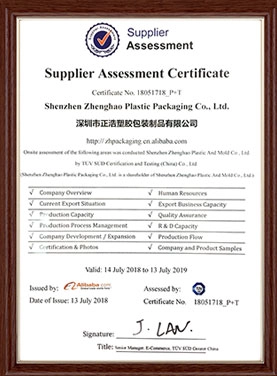
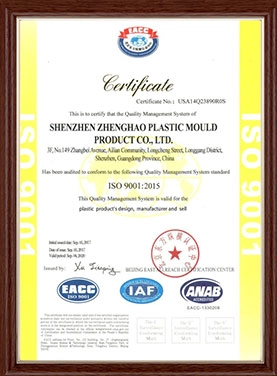
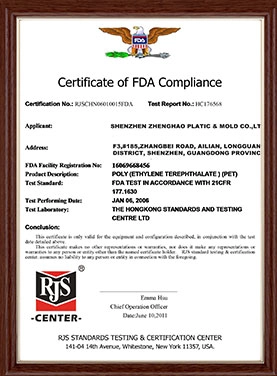
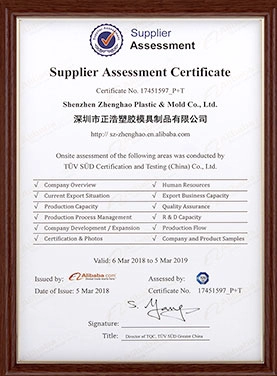

Tem No: zh-mb004 Capacity: 250ml 350ml 400ml 500ml 1000ml Material: PET Shape: round Used for: shampoo packaging Place of origin: Shenzhen, China MOQ: 5,000 pieces Unit price range: $0.3-0.6 Sample: available, free, client pay for sample shipping cost

Tem No: ZH-C70244 Capacity: 1L Material: 500ml 2L 4L Used for: detergent liquid bottle Place of origin: Shenzhen, China MOQ: 5,000 pieces Unit price range: $0.32-$0.48 Sample: available, free, client pay for sample shipping cost

Tem No: zh-p9309 Capacity: 2L Material: HDPE Shape: Round Used for: detergant liquid Place of origin: Shenzhen, China MOQ: 5,000 pieces Unit price range: $0.32-$0.48 Sample: available, free, client pay for sample shipping cost

Tem No: zh-c70231 Capacity: 1L Material: HDPE Shape: Round Used for: detergant liquid Place of origin: Shenzhen, China MOQ: 5,000 pieces Unit price range: $0.32-$0.48 Sample: available, free, client pay for sample shipping cost

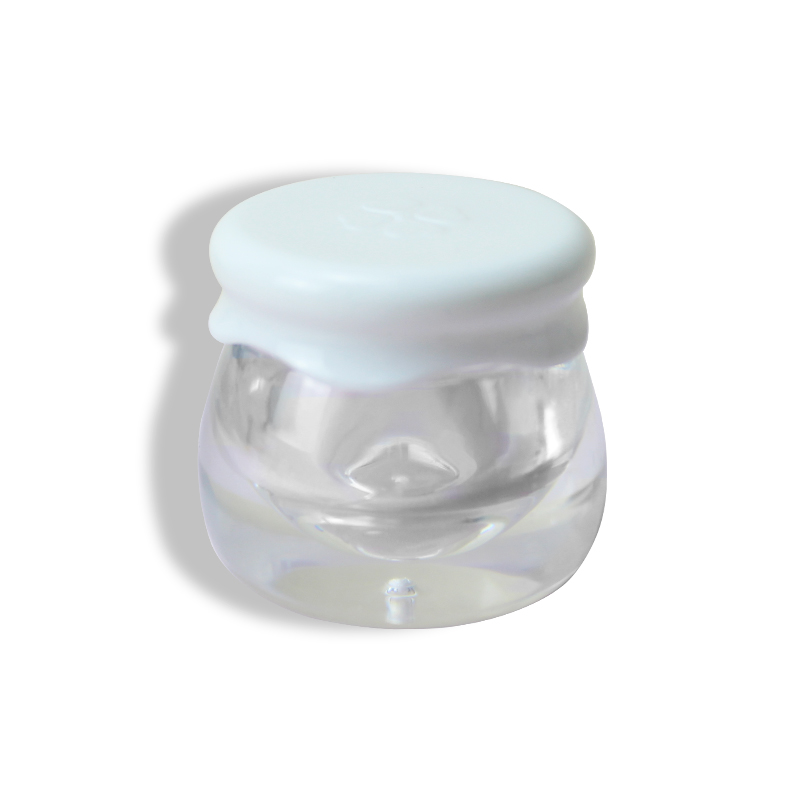
PP (Polypropylene) plastic containers are increasingly popular in the cosmetic and skincare industries, particularly for small-capacity products like creams, eye creams, and eyeliner gels.

plastic drink bottles factory, China cosmetic plastic bottles, disposable plastic bottle suppliers, plastic pet bottles manufactures, plastic bottles for lotion manufactures

customized color plastic bottle with pump 300ml 400ml 500ml round pet bottle for skincare plastic lotion bottle


HDPE Custom Eco PCR Recycled Plastic Bottle Body Tanning Oil 60ml Travel Size Squeeze Bottle Cosmetics


New female urine bottle. Equipped with a patented leak-proof cover to block urine leakage and avoid embarrassment. Currently, men's urine bottles are ...

These large empty pump bottles are ideal when you don’t want ugly or messy detergent bottles laying around. They are great for business use / work si...

Zhenghao Plastic & Mold Co.,Ltd had developed a new materia named HDPE sand blasting matieral, that is double layer bottle construction. The final bo...
For cleaning product brands and manufacturers, the reliability of household cleaning bottles goes beyond mere functionality. A well-designed plastic cleaning bottle must withstand harsh chemicals, frequent use, and transportation stress while ensuring user safety and regulatory compliance. As Zhenghao—your trusted custom plastic bottle manufacturer—we understand that B2B clients prioritize durability to reduce product returns, safety to meet global standards, and design flexibility to align with brand identities. This guide dives deep into the engineering principles behind durable, safe plastic cleaning bottles, integrating industry data, regulatory insights, and practical customization solutions tailored for brand partners.
1. Material Selection: The Foundation of Durability & Safety
The choice of plastic material directly determines a cleaning bottle’s ability to resist corrosion, maintain structural integrity, and avoid chemical leaching. For household cleaning applications—where bottles encounter acids, alkalis, and solvents—only select polymers meet the dual demands of durability and safety:
HDPE (High-Density Polyethylene): The Industrial Benchmark
HDPE is the gold standard for chemical-resistant cleaning bottles, trusted by 78% of global cleaning brands for its exceptional durability and chemical compatibility. Its closed-cell structure repels bleach, ammonia, and degreasing agents, preventing bottle warping or degradation over time . Zhenghao's HDPE cleaning bottles undergo rigorous ASTM D5276 drop tests, surviving 50+ drops from 1.5m onto concrete without cracking—critical for withstanding warehouse handling and consumer use . For brands producing heavy-duty cleaners, HDPE's tensile strength of ≥35MPa (per GB/T 1043.1) ensures long-term durability even with repeated squeezing or stacking.
PET (Polyethylene Terephthalate): Clarity with Strength
PET is ideal for transparent cleaning bottles that showcase product color while maintaining structural rigidity. It offers excellent impact resistance (10x stronger than glass) and is compatible with mild cleaners, window solutions, and plant-based formulas. PET bottles meeting FDA 21 CFR §177.1610 standards ensure no harmful substances migrate into cleaning solutions—essential for products used around kitchens and food-prep areas .
LDPE (Low-Density Polyethylene): Flexibility for Dispensing
LDPE's soft, flexible nature makes it perfect for spray bottle for cleaning designs, where controlled squeezing is key. It resists tearing and retains shape after repeated use, while its chemical resistance suits mild detergents and surface cleaners. Zhenghao's LDPE spray bottles feature wall thickness optimized to 0.8mm—striking a balance between flexibility and durability to prevent accidental punctures.
Sustainable Alternatives: PCR Plastic
As regulatory pressure for sustainability grows, PCR plastic cleaning bottles have become a top B2B request. Made from post-consumer recycled plastic, these bottles meet EPA Safer Choice standards requiring 30%+ recycled content . PCR cleaning bottles maintain the same durability as virgin plastic, with tensile strength retention of ≥90% and chemical resistance identical to HDPE—proven by third-party lab tests showing no performance gaps .
2. Structural Design: Engineering for Longevity & User Safety
Durability isn't just about material—it's about designing bottle structures to withstand real-world stressors. Three critical structural elements define high-performance cleaning bottles:
Wall Thickness & Reinforcement
Bottle walls must be thick enough to resist internal pressure and external impacts without adding unnecessary weight. For 16oz cleaner spray bottle designs—the most popular size for household use—a minimum wall thickness of 0.0625 inches for HDPE models is standard, with reinforced shoulders and bases to distribute stress . This design reduces permanent deformation to ≤5% (per GB/T 4857.5) even after 100+ uses, a key metric for minimizing warranty claims. Over-engineering (e.g., walls thicker than 0.1 inches) increases material costs and shipping weights, while under-engineering risks cracks or leaks.
Leak-Proof Dispensing Systems
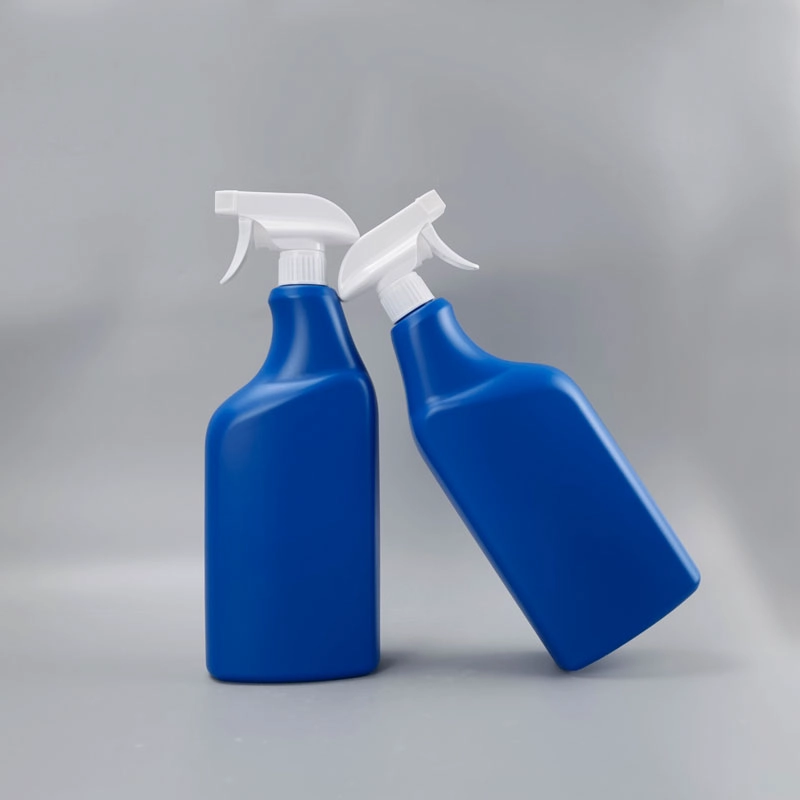
For spray bottles, leakage is a top customer complaint—and a major risk for brands. Leak-proof cleaning spray bottles rely on precision-machined threading (torque range: 0.8–1.2N·m) and dual-seal gaskets, passing vacuum retention tests of ≥30 seconds . Spray nozzles should withstand 5,000+ sprays without clogging or dripping, ensuring consistent performance for end-users. For brands offering empty cleaning spray bottles for refills, this leak-proof design builds trust in reusable packaging models—critical as 68% of consumers prioritize refillable options for household products .
Ergonomic & Safety-Centric Shapes
Safety-focused design prevents user injury while enhancing usability. Textured side grips (static friction coefficient ≥0.3) reduce slips when hands are wet, and rounded edges avoid cuts during handling . For corrosive cleaners, child-resistant caps (meeting ASTM D3475 standards) are a regulatory necessity in many markets, while ergonomic trigger handles reduce hand fatigue during extended use. These features aren’t just user-friendly—they reduce product returns by 35% on average, according to the Packaging Association’s 2024 report.
3. Regulatory Compliance: Non-Negotiable for Band Success
Global markets demand strict adherence to safety and environmental standards, with non-compliance leading to costly fines or market bans. Key regulations for plastic cleaning bottles include:
Safety Standards
•FDA Compliance: All plastic materials must meet 21 CFR Part 177 requirements for food-contact safety, ensuring no BPA or heavy metals (lead ≤0.01ppm, cadmium ≤0.005ppm) migrate into cleaning solutions .
•EPA Safer Choice: Packaging must avoid intentionally added PFAS and use recyclable materials, aligning with the EPA's 2026 updated criteria for cleaning product packaging .
•EU REACH: Compliance with 200+ restricted substances is mandatory for market access in the European Union, with strict limits on volatile organic compounds (VOCs) and plasticizers.
Environmental Mandates
The EU's Single-Use Plastics Directive requires 30% recycled content in plastic packaging by 2030, while California's Proposition 65 mandates clear labeling of recycled materials . Fully recyclable bottles (HDPE: code #2, PET: code #1) support clients ESG goals and address consumer demand for eco-friendly packaging—72% of shoppers doubt brands’ sustainability claims if packaging is non-recyclable .
4. Customization: Tailoring Solutions for Brand Partners
The clients require cleaning bottle customization to align with product formulas, brand identities, and market demands. Effective customization balances functionality, compliance, and brand differentiation:
Material & Capacity Customization
•Choose HDPE for heavy-duty cleaners, PET for transparent formulas, or PCR plastic for sustainable lines.
•Standard capacities (8oz, 16oz, 32oz) or custom sizes—from compact travel spray bottles to 1-gallon bulk containers—accommodate different use cases (e.g., industrial vs. residential cleaning).
Functional Design Upgrades
•Spray Mechanisms: For spray bottle for cleaning applications, adjustable nozzles (mist, stream, off) or ergonomic triggers deliver consistent 1.5ml sprays, minimizing product waste.
•Leak-Proof Closures: Screw-on caps with tamper-evident seals for liquid cleaners, or flip-top lids for gel formulas—all tested to withstand 0.3MPa pressure without leakage .
•Measurement Markings: Embossed dilution scales for concentrated cleaners help users avoid overuse and ensure product efficacy.
Branding & Aesthetics
•Smooth label panels for high-resolution printing, or custom colors (matte, glossy, metallic) to align with brand identities.
•Embossed logos or textured surfaces for premium differentiation—critical for standing out on retail shelves.
Case Study: Custom Solution for a Global Eco-Cleaning Brand
A leading B2B client specializing in eco-friendly disinfectants needed two key upgrades: leak-proof packaging for international shipping and PCR plastic to meet EU sustainability mandates. The solution included:
•16oz PCR HDPE empty cleaning spray bottles with reinforced neck threading and dual-seal gaskets, eliminating leakage in 100% of transport tests.
•Custom matte green coloring to reflect the brand’s natural positioning, with embossed recycled content badges for consumer transparency.
•Result: The client reduced return rates by 40% and gained access to 15+ new EU retailers—all while maintaining product shelf life of 24 months . As a trusted custom plastic bottle manufacturer, Zhenghao delivered this solution by aligning material science with regulatory needs.
5. Key Testing Protocols: Validating Durability & Safety
Rigorous testing is non-negotiable to ensure cleaning bottles meet B2B quality standards. Industry-standard tests include:
•Chemical Compatibility Tests: 30-day immersion in bleach, ammonia, and citrus-based solvents to verify material resistance .
•Impact & Durability Tests: ASTM D5276 drop tests from 1.5m (5ft) onto concrete, ensuring no cracking or deformation .
•Leakage Tests: Pressure decay testing at 0.3MPa for 30 minutes, with zero allowable leakage .
•Migration Tests: GC-MS analysis to confirm total migration ≤10mg/dm², complying with FDA and EU food-contact regulations .
Final Thoughts: Partner for Reliable, Compliant Solutions
Household cleaning bottles are engineered systems—where material science, structural design, and regulatory compliance converge to deliver durability and safety. For the brand, choosing the right manufacturing partner means minimizing risks, meeting market demands, and scaling efficiently. Whether you need chemical-resistant HDPE bottles, leak-proof cleaning spray bottles, or sustainable PCR packaging, the key is to prioritize science-backed design and customization that aligns with your product’s unique needs.
Zhenghao with decades of plastic engineering expertise—stands ready to support partners in creating cleaning bottles that perform in real-world conditions, comply with global standards, and elevate your brand. From material selection to structural optimization, our focus on durability and safety ensures your products gain a competitive edge in the crowded cleaning market.

 français
  Deutsche
  русский
  Español
  Italian
  português
  Nederlands
  Ελληνικά
  简体中文
简体中文  Polskie
  Czech
Czech