When developing a cosmetic product, packaging material is often one of the most underestimated decisions. From texture and transparency to chemical resistance and long-term stability, the plastic you choose directly affects both product performance and brand perception. As a cosmetic bottle supplier with over 20 years of experience in custom plastic packaging, Zhenghao has worked with brands across skincare, personal care, and beauty industries to match the right material with the right application.
Understanding PET: Lightweight, Clear, and Cost-Effective
PET, or polyethylene terephthalate, is one of the most widely used plastics in cosmetic packaging. It is known for its excellent clarity, making it a popular choice for brands that want to showcase the color or texture of their formulation. Many clear plastic bottle designs for lotions, toners, and liquid skincare rely on PET for its glass-like appearance without the fragility.
From a production standpoint, plastic PET bottles offer strong consistency and high output efficiency, which helps control unit costs for large-volume orders. PET also performs well with labeling, silk printing, and hot stamping, making it suitable for both mass-market and mid-range cosmetic lines.
However, PET is relatively rigid and less impact-resistant than some other plastics. While it works well for an empty lotion bottle used with a pump or cap, it may not be ideal for products that require squeezing or frequent dropping resistance.
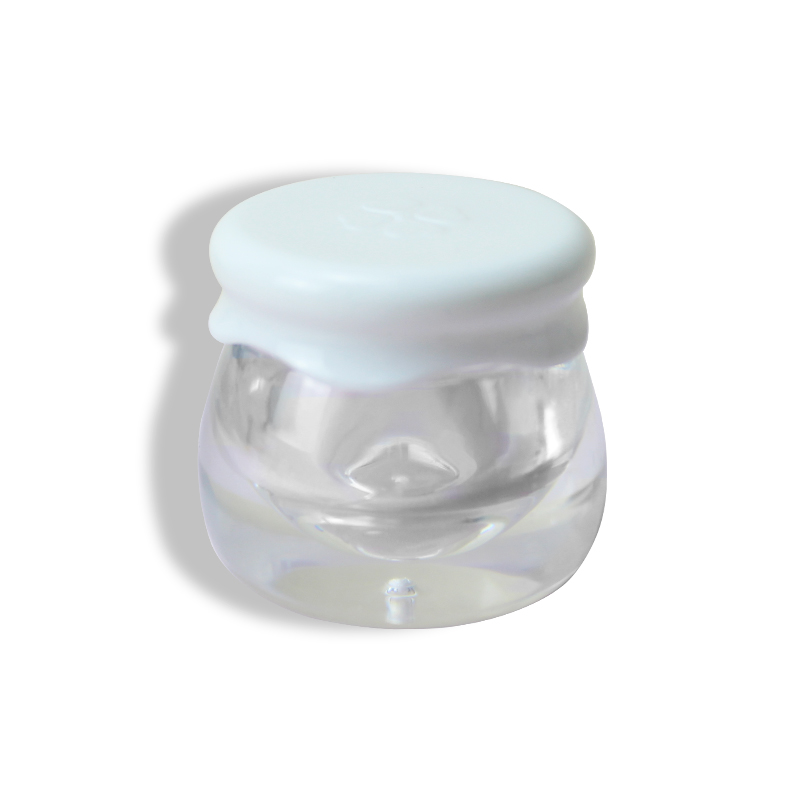
We have now newly launched thick wall PET bottles. From the appearance, they are more upscale, with the same crystal clear appearance and weight as glass. In terms of durability, they are stronger than ordinary PET and glass, but the relative cost is also higher than that of ordinary PET bottles. However, the sense of luxury and security it brings to customers fully combines the advantages of both plastic and glass.
PETG: Enhanced Toughness with Premium Appearance
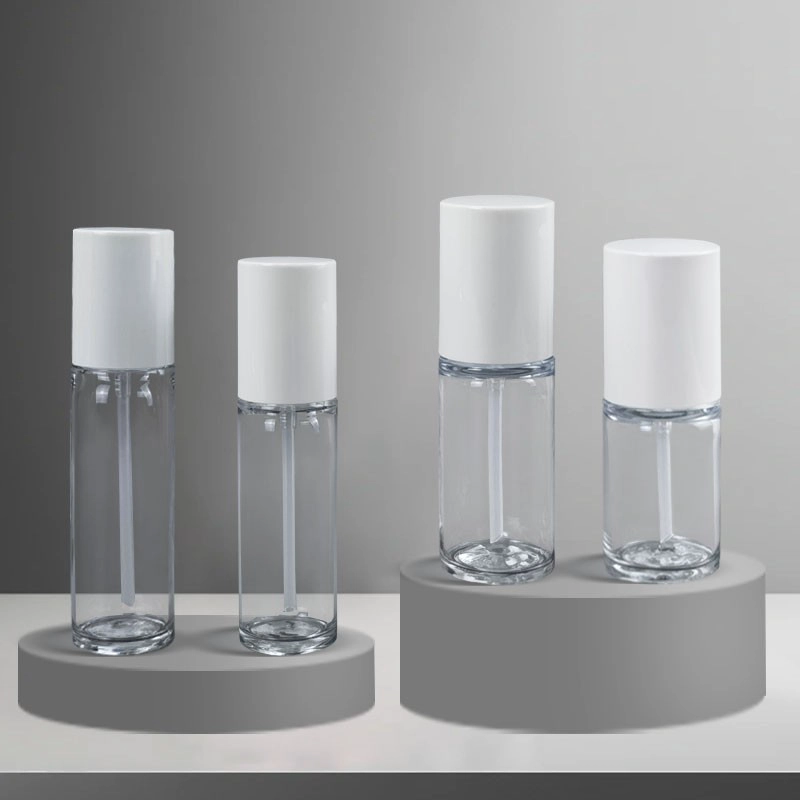
PETG is a modified version of PET, designed to improve flexibility and impact resistance. In cosmetic packaging, PETG is often chosen when a brand wants both high transparency and a more premium tactile feel. Compared to PET, PETG is less brittle and more tolerant of complex shapes, including thicker walls and customized contours.
This makes PETG a strong option for custom lotion bottles that aim for a high-end look, especially in skincare and professional salon products. PETG also supports intricate mold designs, which is useful when producing square plastic bottles or unique silhouettes that help a product stand out on shelves.
So if you are a new small brand owner and need to stand out in the highly competitive cosmetic or other industries, in addition to excellent product efficacy, then a unique packaging image is your first choice to enhance brand power. A unique design that is unforgettable at first sight will surely enable you to have a place among many brand owners.
For example Byoma uses geometric shapes, color block divisions and bold visual language to create packaging. This not only makes the product stand out on the shelves, but also gives consumers an intuitive impression that "design is more important than functionality" when they open the package.
That said, PETG typically comes at a higher material and processing cost. It may not be necessary for simple cosmetic pump bottles or high-volume items where cost efficiency is a priority. Choosing PETG should be driven by brand positioning and design requirements rather than material trends.
HDPE: Durability, Safety, and Versatility
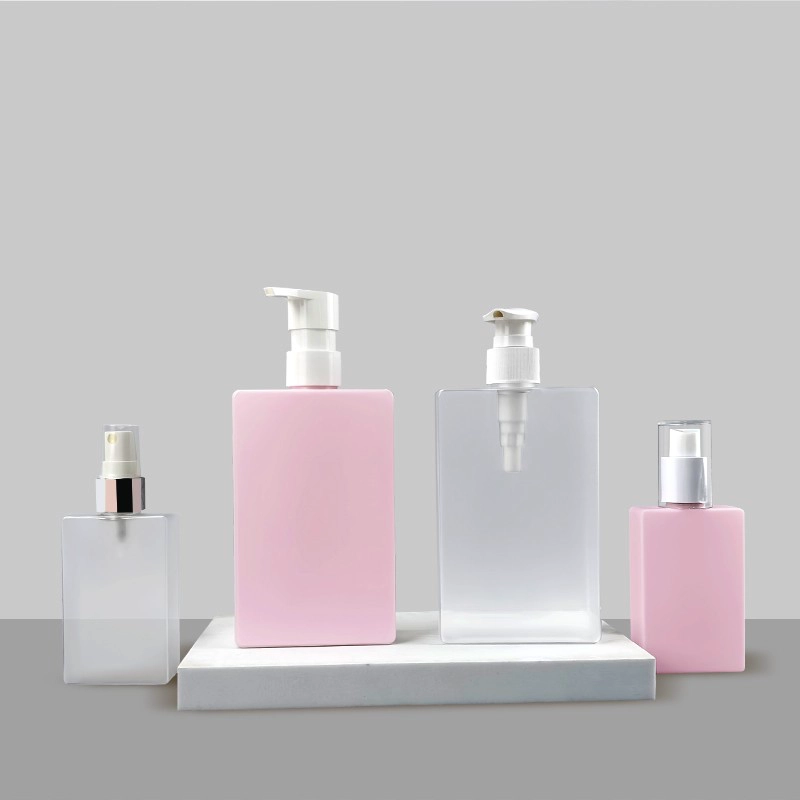
HDPE, or high-density polyethylene, is a staple material for cosmetic and personal care packaging. Unlike PET and PETG, HDPE is naturally opaque, although it can be produced in various colors, including natural milky white. HDPE plastic bottles are valued for their toughness, chemical resistance, and compatibility with a wide range of formulations.
Many lotion pump bottles, shampoo bottles, and cleanser containers use HDPE because it performs well with thicker or more active formulations. HDPE is also slightly flexible, making it suitable for squeeze bottles and everyday-use products where durability matters more than transparency.
From the visual effect, HDPE bottles have less of the high-end luxury feel compared to PET. However, nowadays, more and more brands choose to enhance the luxury feel by upgrading the surface processing of the bottles, such as frosted, soft touch, etc. These qualities have a stronger sense of thickness, and soft touch is like a layer of rubber paint attached to the surface of the bottle. Not only is it visually very different from ordinary PET bottles, but it can also enhance the brand's expressed intention through touch.
From a manufacturing perspective, HDPE is forgiving in molding and stable during transportation. For brands focused on functionality and long-term storage, HDPE remains a reliable option among cosmetic plastic bottles.
Matching Material to Product Type
Choosing between PET, PETG, and HDPE should start with the product itself. Lightweight serums, toners, and liquid lotions often benefit from PET or PETG, especially when visual presentation is important,the liquid components have a natural herbal care effect. For instance, our cooperative client Sukin uses classic amber PET bottles, which can effectively protect the liquid components and effectively showcase the brand's experience and philosophy
For creams, body lotions, and products paired with cosmetic pump bottles, HDPE offers excellent structural support and leak resistance. Square plastic bottles made from HDPE are commonly used in professional or family-size packaging due to their stability and stackability.
If the packaging design involves sharp edges, thick bases, or luxury aesthetics, PETG can provide the balance between strength and appearance. On the other hand, for standard empty lotion bottle designs aimed at cost control, PET or HDPE may be the more practical choice.
Customization Considerations from a Manufacturer’s Perspective
As a long-term cosmetic bottle supplier, we often advise clients to consider customization requirements early in the material selection process. Factors such as bottle capacity, neck finish, pump compatibility, decoration method, and filling conditions all influence material suitability.
For example, lotion pump bottles require precise neck dimensions and material rigidity to ensure smooth dispensing. PET and PETG both work well with pump systems, while HDPE offers better tolerance for repeated use and pressure.
Custom lotion bottles may also require color matching, matte or glossy finishes, or special surface treatments. PETG supports advanced finishing options, while HDPE excels in solid color consistency. PET remains a balanced choice for brands seeking clarity and affordability.
Sustainability and Long-Term Planning
Material selection is not only about performance today but also about scalability and sustainability. PET and HDPE are both widely recycled plastics, making them easier to integrate into long-term packaging strategies. When designing cosmetic plastic bottles for future product lines, choosing materials that align with recycling infrastructure can simplify transitions later.
Working with an experienced manufacturer allows brands to evaluate these factors realistically, rather than relying on assumptions. At Zhenghao, our two decades of experience in producing plastic PET bottles, HDPE containers, and custom cosmetic packaging enable us to provide material recommendations based on real production data and market feedback.
Final Thoughts
There is no single “best” plastic for cosmetic packaging. PET, PETG, and HDPE each serve different purposes, and the right choice depends on formulation, design goals, and brand positioning. By understanding the characteristics of each material and working closely with a knowledgeable cosmetic bottle supplier, brands can create packaging that is functional, reliable, and aligned with their market strategy.
Choosing the right material at the beginning helps avoid redesigns, reduces long-term costs, and ensures your product performs as well on the shelf as it does in the customer's hands.

 français
  Deutsche
  русский
  Español
  Italian
  português
  Nederlands
  Ελληνικά
  简体中文
简体中文  Polskie
  Czech
Czech