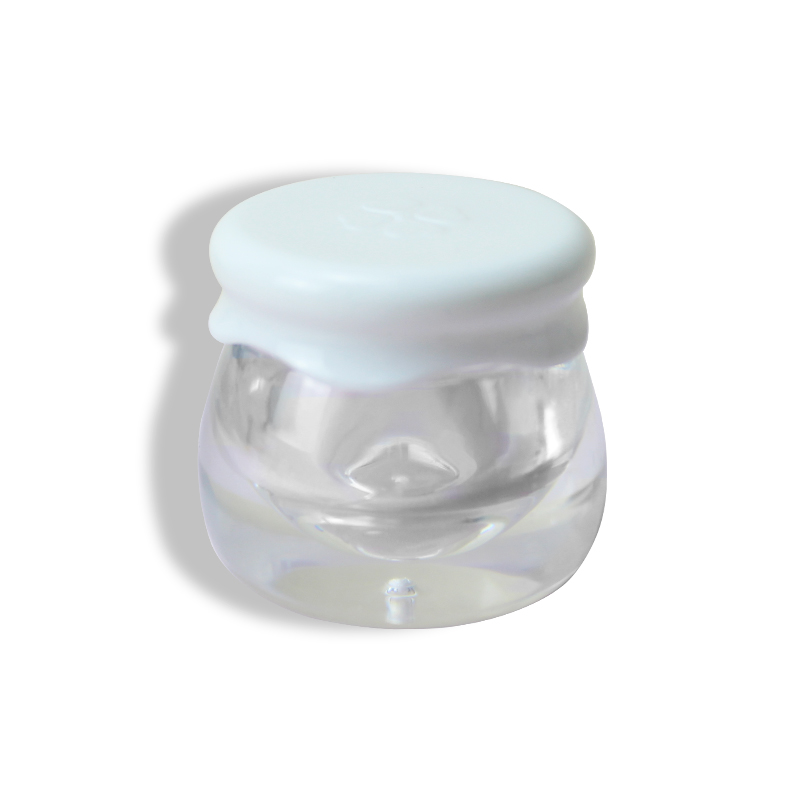
As sustainability becomes a key focus across global markets, many brands are exploring biodegradable plastic packaging as an alternative to conventional materials. Among them, PLA (Polylactic Acid) has emerged as one of the most talked-about eco-friendly materials in recent years. But is PLA truly the future of packaging? As a custom plastic bottle and jar manufacturer, we believe it’s important to understand both the strengths and the practical limitations of this material before applying it in real production.
What Is PLA?
PLA (Polylactic Acid) is a bio-based polymer derived from renewable resources such as corn starch, sugarcane, or cassava.Unlike
petroleum-based plastics like PET or PP, PLA is made through fermentation and polymerization of natural sugars, making it a bioplastic that offers a lower carbon footprint.
This origin gives PLA a strong environmental appeal — it’s compostable under industrial conditions and often marketed as a sustainable alternative for packaging bottles, jars, and food containers.
Advantages of PLA in Plastic Packaging
From a manufacturing standpoint, PLA offers several attractive features:
Renewable and biodegradable: As it’s made from plants, PLA reduces dependency on fossil fuels and supports sustainable sourcing.
Clear and glossy appearance: PLA provides excellent transparency similar to PET, ideal for eco-friendly cosmetic jars or biodegradable plastic bottles where aesthetics matter.
Good rigidity and form stability: Its structure allows for smooth molding, making it suitable for custom PLA containers and personal care packaging.
Compostable in controlled environments: Under proper temperature and humidity, PLA can break down into water and carbon dioxide within several months.
For brands aiming to highlight their green packaging initiatives, PLA offers a visible sustainability message — especially when paired with natural branding and minimalist design.
The Limitations: What You Need to Know
While PLA sounds ideal, it also comes with practical challenges that must be carefully considered in packaging applications:
Limited heat resistance: PLA begins to deform at around 55–60°C, making it unsuitable for hot-fill products or high-temperature transport.
Composting conditions required: PLA is not biodegradable in normal home or marine environments — it needs industrial composting facilities to fully degrade, which are not widely available in many regions.
Recycling compatibility: PLA cannot be mixed with traditional plastic recycling streams (such as PET), as it can contaminate the recycling process.
Higher cost: Compared with conventional plastics, PLA materials remain more expensive and can affect large-scale production budgets.
For these reasons, PLA bottles and Pla jars are currently more popular in niche or premium sustainable packaging lines rather than mass-market use.
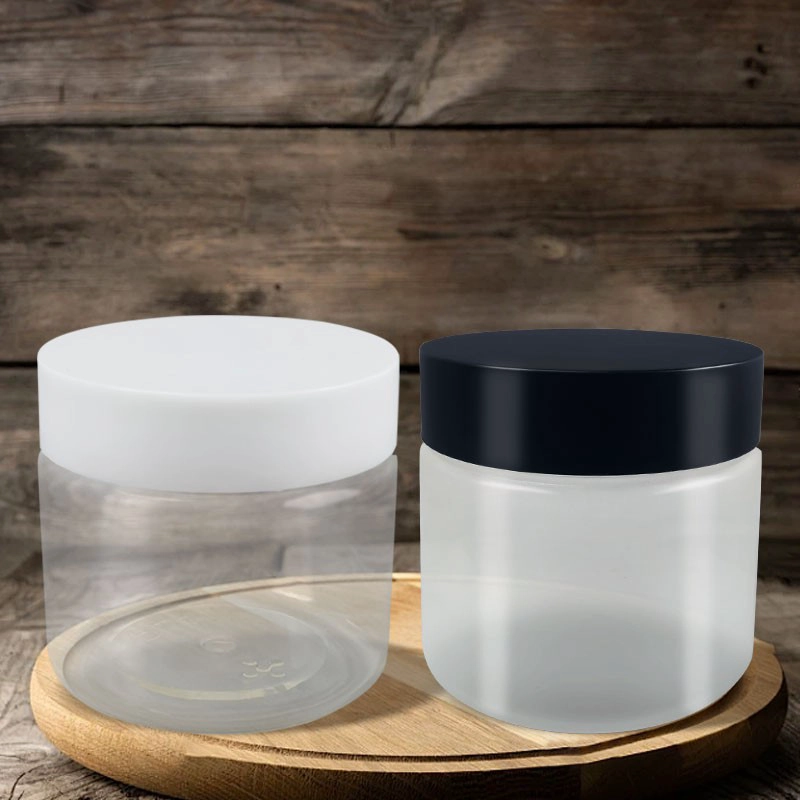
The Realistic Approach: Blending Innovation and Practicality
At Shenzhen Zhenghao we continuously explore sustainable packaging solutions that balance environmental responsibility with real-world performance. While PLA biodegradable packaging holds promise, it is not a universal replacement for PET or PP — yet.
Instead, we recommend a hybrid approach: combining lightweight design, recyclable materials, and eco-friendly coatings to achieve meaningful sustainability goals. Our R&D team works with clients to test new bio-based polymers, improve PLA bottle durability, and integrate green materials without compromising brand aesthetics or functionality.


 français
  Deutsche
  русский
  Español
  Italian
  português
  Nederlands
  Ελληνικά
  简体中文
简体中文  Polskie
  Czech
Czech